If you have coeliac disease, regular rye bread isn’t a suitable late-night snack: rye contains gluten. Look for a product labelled gluten-free on the packaging. Choose soft bread if you’re after a sandwich; choose crispbread or crackers if a small, ready-to-eat, crunchy snack suits you better. Check the current ingredients and allergen information for either option.
Who are these alternatives for?
People with coeliac disease looking to replace rye bread
You’re looking for something to take the place of rye bread, but rye is a gluten-containing grain. So look for bread, crispbread or crackers specifically labelled gluten-free, and check the packaging.
Late-night snackers who fancy something crunchy
If you want a small snack straight away without having to defrost bread, individually portioned gluten-free crispbread or a cracker can be a practical choice. Check how each product is packaged.
Shoppers who would rather have a sandwich
For a softer snack with a topping, gluten-free multiseed bread is a more obvious choice than a cracker. Bear in mind the storage instructions, including any freezing guidance, for the bread you choose.
What should you look for when choosing?
If you have coeliac disease, first check that the product is labelled gluten-free and read the label. Then choose between a crunchy snack you can eat straight away and soft bread.
| What to consider |
What to check when buying |
Who it matters to |
| Gluten-free labelling |
Look for ‘gluten-free’ on the current packaging and read the ingredients and allergen information. Under EU Regulation 828/2014, this claim can only be used when a food contains no more than 20 mg of gluten per kg as sold. |
If I have coeliac disease, I don’t want to judge by the dark colour or name of a bread. Around 50% of consumers replacing rye bread for a late-night snack make this check their priority. |
| Ready-to-eat snacks and portions |
Check the number of portions, packaging and storage advice for gluten-free crispbread or crackers. |
When I want something small to eat late at night, I don’t want to defrost bread first or open a whole loaf. For around 30% of consumers replacing rye bread as a late-night snack, convenience comes first. |
| Bread-like texture |
For gluten-free bread, compare the serving size, seeds, nutritional information and storage or freezing instructions. |
If what I miss most is a sandwich with a topping, I’d rather choose soft bread than something crunchy. This bread-like option is the priority for around 20% of consumers looking for a late-night alternative to rye bread. |
Common mistakes
-
Assuming regular rye bread is gluten-free
Rye contains gluten. A dark colour or a claim that it’s high in fibre doesn’t make rye bread suitable for someone with coeliac disease.
Instead, choose a specific product labelled ‘gluten-free’ and check the current packaging.
-
Relying on an online shop filter alone
A filter is no substitute for the information on the product itself: recipes, allergen information and product ranges can change.
Use the filter to find options, but read the packaging of the product you actually bought before eating it.
-
Assuming all gluten-free bread contains baker’s salt
According to the Netherlands Nutrition Centre (Voedingscentrum), bakers aren’t required to use baker’s salt. So you can’t tell whether it’s present just from the type of bread.
Check the ingredients list on each loaf to see whether it contains baker’s salt.
-
Confusing gluten-free with free from other allergens
A gluten-free product may contain other allergens or carry an allergen warning. For example, Albert Heijn lists possible traces of milk, soya, sesame and mustard for the Wasa Classic variety.
If you have another food allergy as well as coeliac disease, check the current information for both the snack and its topping.
Relevant brands to consider
AH Glutenvrij
Albert Heijn offers a range of gluten-free bread options under this own-brand label.
- The dark multiseed bread is a bread-like option; Albert Heijn says it can be frozen at home.
- Check the packaging for each product: Albert Heijn notes that ingredients, nutritional and allergen information can change.
Schär
Schär makes gluten-free products in both bread-like and crunchy forms, including bread and crackers.
- The different product types let you choose between a sandwich and a crunchy snack.
- Check the product you’ve chosen and its current availability at the shop where you plan to buy it.
Wasa
The gluten-free Classic variety is a crunchy option for anyone who doesn’t want a soft sandwich.
- Albert Heijn describes this variety as being packed in individual portions.
- The product information also lists possible traces of milk, soya, sesame and mustard. Check the current packaging if any of these allergens matter to you.
Jumbo Lekker Vrij van Gluten
Jumbo offers a brown gluten-free bread under this own-brand name.
- The 500 g brown loaf offers a bread-shaped alternative to rye bread.
- Check the information for the specific variety you buy for ingredients, allergens and storage guidance.
PLUS Glutenvrij
PLUS offers own-brand products in its gluten-free range, including white bread.
- A bread option is worth considering if you’d like a soft snack with a topping rather than a cracker.
- Check the ingredients and current availability for each product.
A crunchy snack option at Joybuy
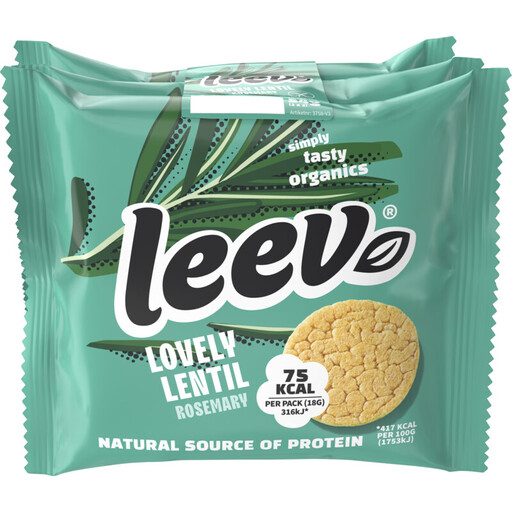
These lentil wafers are a good match for anyone looking for a crunchy late-night snack rather than a sandwich. If you have coeliac disease, the gluten-free claim on the current packaging is what matters most.
 No image available
Leev Organic Rosemary Lentil Wafers, 54 g
A crunchy snack for anyone who doesn’t want a soft sandwich. If you have coeliac disease, check that the current packaging says ‘gluten-free’ before eating and read the ingredients and allergen information. Check the packaging too if individual portions are important to you.
View at Joybuy
Frequently asked questions
Is rye bread gluten-free?
No. Regular rye bread contains rye, a gluten-containing grain, so it isn’t suitable if you have coeliac disease. Look for an alternative labelled ‘gluten-free’ on the packaging. Under EU Regulation 828/2014, this means no more than 20 mg of gluten per kg of food as sold.
Should I choose bread or crackers for a late-night snack?
Choose gluten-free crispbread or crackers if you want something small and crunchy to eat straight away; choose gluten-free bread if you’d rather make a soft sandwich with a topping. Either way, check the label, and follow the storage instructions for bread.
Does gluten-free bread automatically contain baker’s salt?
No. According to the Netherlands Nutrition Centre (Voedingscentrum), bakers aren’t required to use baker’s salt. Check the ingredients list on the bread you choose to see whether it contains baker’s salt.
How should I store a snack I only eat occasionally?
Follow the storage instructions for the product you choose. Individual packaging can be handy for the occasional cracker snack, while some breads can be frozen at home. Albert Heijn says its dark gluten-free multiseed bread is suitable for freezing at home; check the instructions on the packaging.


