
Developer who uses lots of windows
Keeps an editor or IDE, debugger, browser and source material open at the same time. Memory and usable screen space are therefore important when choosing a laptop.


Start by choosing a laptop that suits your development environment and the programmes you keep open at the same time. For an IDE with a debugger and a browser, memory and screen space are important factors; also check the exact configuration, operating system and available connections. A stated battery life is not a measure of how long a debugging session will last.
Keeps an editor or IDE, debugger, browser and source material open at the same time. Memory and usable screen space are therefore important when choosing a laptop.
Codes in different locations and weighs up laptop size, connections and battery claims against the space available for code and documentation.
Uses a specific IDE, operating system environment or container workflow, and checks compatibility before choosing a model.
First check that the laptop supports the tools you need. Then compare its screen space and memory with the number of programmes you use at the same time.
| What to consider | What should you check? | Who is this important for? |
|---|---|---|
| Memory and running multiple tasks | Check the installed RAM and whether it can be upgraded on the exact configuration. JetBrains specifies 8 GB of total RAM for IntelliJ IDEA, with 3 GB available for IDE processes; this is not a recommendation for the laptop workflow as a whole. | If I keep an IDE, debugger and browser open at the same time, I want enough memory for all the processes. Around 33% of consumers give running multiple development tasks their highest priority. |
| Screen space | Compare the screen size and resolution of the configuration. If you plan to use an external monitor, check that the necessary connections and support are available too. | If I want to view code, a debugger and source material side by side, usable screen space is crucial. Around 27% of consumers prioritise usable screen space. |
| Toolchain compatibility | Make a note of the required IDE, runtime, debugger and any container environment, then compare them with the operating system and laptop configuration requirements. If you’re using Docker Desktop on Windows, check the requirements for your chosen setup too. | If my project requires a specific IDE, runtime or container workflow, I want to know it will work on the laptop before I choose one. Around 20% of consumers give compatibility with their own development environment their highest priority. |
| Portability and battery claims | Compare the size, weight and ports. For a battery-life claim, check which test activity the manufacturer refers to; it won’t necessarily indicate how long the laptop will last while debugging. | If I code in different places, I weigh portability against the screen space and power supply I need. Around 20% of consumers prioritise using a laptop on the move. |
An IDE’s RAM requirement applies to that application; a debugger, browser and other programmes also use memory.
Make a list of the tools you want to use at the same time, then check the installed memory and whether it can be upgraded on the exact configuration.
Apple’s battery-life claims are based on specified test activities, such as video streaming or wireless internet use. They don’t tell you how long the battery will last during a coding session.
Check which activity the claim refers to, and make sure you have access to power for your own work.
The Dutch government distinguishes between a manufacturer’s warranty and statutory consumer rights. If there’s a problem with a product, the retailer is your point of contact; in the Netherlands, there is no fixed statutory warranty period.
Keep the retailer’s details and check exactly what any service package includes.
The MacBook Air M5 is available in 13- and 15-inch configurations, giving macOS users a choice between a more compact size and extra screen space.
The EliteBook 8 G1a is a business-focused Windows range. Check the model code and configuration for each version.
The ThinkPad T14 Gen 6 (AMD) may be worth considering if you’re looking for a business laptop with memory upgrade options and support for external monitors.
This selection includes Windows laptops in a range of screen sizes and configurations, for those who want to use an IDE, debugger and source material side by side. Check that each model’s configuration supports your software and suits your preferred working environment.
 No image available
The listed 32 GB of RAM and 16-inch screen are well suited to a setup with several development windows open.
The product name lists 32 GB of RAM, a 1 TB SSD, a 3K OLED touchscreen and Windows 11 Pro.
 No image available
The 15.6-inch screen and 16 GB of memory are useful details to weigh up if you’re looking for a compact setup with several programmes open.
The product name lists a Full HD screen with a 144 Hz refresh rate, an 8-core AMD Ryzen 9 270 processor and 16 GB DDR5.
 No image available
The 18-inch screen may suit you if you want plenty of space on the built-in display; bear in mind its larger size.
The product name lists 16 GB of RAM, a 1 TB SSD and Windows 11 Home. The charger must be purchased separately.
 No image available
The listed 32 GB of DDR5 and 16-inch 16:10 screen are a good fit for a setup with several applications and documents open.
The product name lists an Intel Core Ultra 7 255H processor and a screen resolution of 1920 × 1200. This configuration is listed without a power adapter.
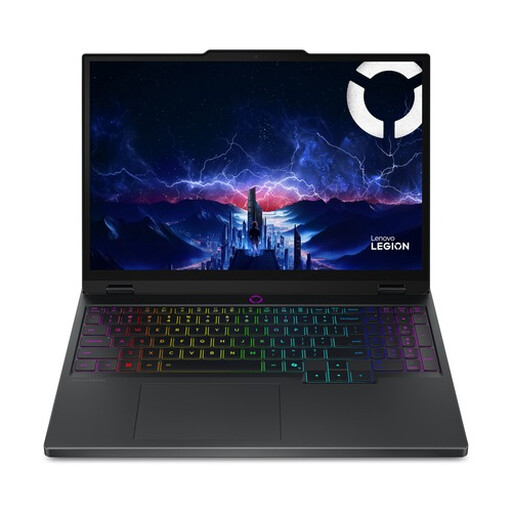 No image available
The product name lists a 15.1-inch screen: a size you can take with you, while still weighing up whether it gives you enough room for code and a debugger.
The listed screen resolution is 2560 × 1600. The charger must be purchased separately.
Not necessarily for your entire workflow. JetBrains specifies 8 GB of total RAM, with 3 GB available for IDE processes; a browser, debugger and other programmes also use memory. So consider what you’ll want to run at the same time.
The Visual Studio Code and IntelliJ IDEA requirements reviewed don’t specify a general requirement for a dedicated graphics card. Check the requirements for your own project if it needs specific graphics calculations, GPU containers or other software.
Check the latest Docker Desktop requirements for your version of Windows and the backend you want to use. Docker describes WSL 2 as the default backend for many users; requirements may vary depending on your installation setup.
Before installing anything, compare the platform and system requirements for your editor or IDE with the exact laptop configuration. Also check the requirements for your runtime, debugger and any container environment; the requirements for one programme won’t necessarily cover your entire toolchain.
When you buy as a consumer, you’re entitled to a product that works as it should. According to the Dutch government, there is no fixed statutory warranty period in the Netherlands, and the retailer is your point of contact if something is wrong. For an ordinary online consumer purchase, you generally have a 14-day right to cancel from the date of delivery, subject to legal exceptions and conditions on return costs.