
Vandaag of morgen in huis

Kwaliteit gegarandeerd

Welkomstaanbiedingen ontgrendelen: GRATIS bezorging | Tot 80% korting | Gratis 30 dagen JoyPlus-proefperiode
Download de app
Want to buy coconut water for home, after exercising or while you’re out and about? The choice may seem straightforward, but there are major differences between coconut water, coconut drinks and other tropical fruit drinks. Attractive packaging does not always tell you how much coconut water a product contains, whether sugar has been added or whether the pack size suits your needs.
Pay particular attention to the ingredients list, nutritional values and volume per pack. This helps you avoid paying for a drink containing very little coconut water, buying more stock than you need or choosing a product that needs to be used quickly after opening.
Some products are coconut drinks or coconut juice. They may contain water, coconut extract, sugar, stabilisers or flavourings. That does not automatically make them unsuitable, but they are different from 100% coconut water.
So always check the ingredients. If only coconut water is listed, you know that no fruit juice, sugar or flavourings have been added. With a blended drink, such as coconut water with lychee or pineapple, the focus is more on flavour than on a pure composition.
Coconut water naturally contains sugars. A product labelled coconut water with no added sugar may therefore still contain carbohydrates and sugars. Check the nutritional values per 100 ml and compare them with other packs.
For example, Cocomax lists 4.5 grams of sugar per 100 ml. That works out at around 45 grams of sugar per litre, even though the product information says that no sugar has been added. The sugar content may be different in a flavoured coconut drink.
Coconut water with electrolytes naturally contains minerals such as potassium and magnesium. The amounts vary by brand and product. Packaging that simply states “rich in electrolytes” does not always provide enough information for a meaningful comparison.
Check the nutrition table. For example, Chaokoh lists 149 mg of potassium, 6.49 mg of magnesium and 22.8 mg of sodium per 100 ml. Use figures like these as a verifiable basis, and do not automatically treat a brand’s claims as a confirmed benefit. A brand’s own research may highlight certain properties, but the product packaging and nutrition table remain the key sources of information.
For a pure coconut refreshment, look for:
According to the product information, a product such as Iam Superjuice Coconut Water contains 100% pure coconut water and 2% real coconut pieces. This makes it different from a smooth coconut water product. The pieces may be appealing if you want extra texture, but less practical if you prefer a completely smooth drink.
Always compare values per 100 ml. This avoids confusion between a 330 ml can, a 500 ml carton and a 1-litre family pack.
Look out for:
The description coconut water for after exercise refers to a time of use, not a medical or sporting guarantee. It can be a practical chilled drink after physical activity, but your overall fluid and nutritional needs vary depending on the individual and the activity.
A 12-pack of coconut water is convenient for families, offices, sports clubs or keeping in the cupboard. Choose the pack size based on how much you use:
According to the product information, unopened cartons can generally be stored in a cool, dry place away from direct sunlight. Once opened, coconut water should be refrigerated and used within the time stated on the packaging. Always check the product’s specific instructions.

Why it suits this profile: The twelve 330 ml portions are easy to manage and suitable for taking chilled with you or serving at home by the can.
The product information states 100% pure coconut water with no added sugar. However, check the current packaging before buying.
12 × 330 ml, 2% real coconut pieces, vegan according to the product description and suitable for drinking chilled.
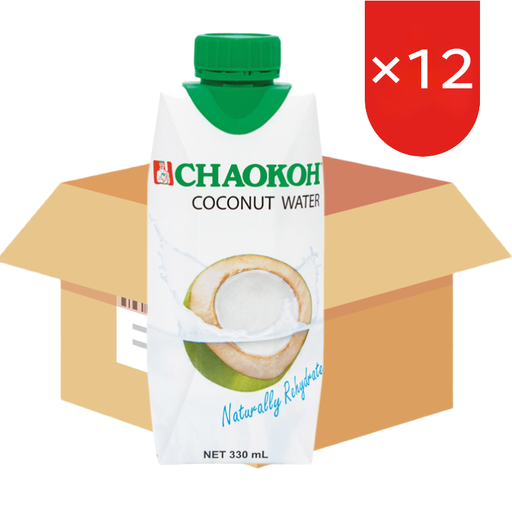
Why it suits this profile: This option is ideal for anyone who values a pure ingredients list and detailed nutritional information.
The ingredients list states coconut water (100%) with no added sugar, preservatives or artificial additives.
12 × 330 ml, nutritional values including potassium and magnesium, suitable for vegan and halal diets according to the product information.
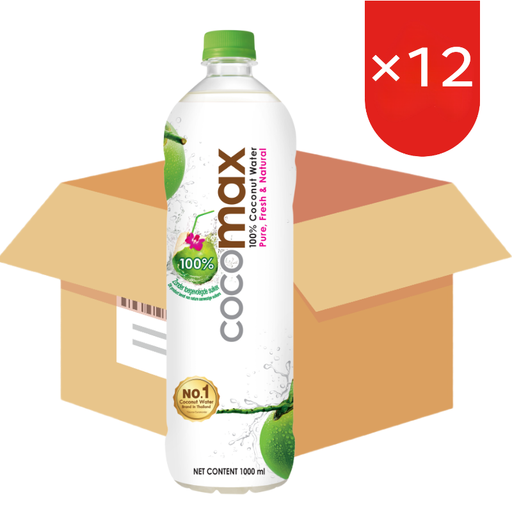
Why it suits this profile: The 1-litre cartons are suitable for families, sports venues, office supplies and use in smoothies or mixed drinks.
The product information states 100% pure coconut water with no added sugar. The nutritional values list 21 kcal and 4.5 grams of sugar per 100 ml.
12 × 1 litre, suitable for serving chilled, making smoothies and use around sports activities according to the product description.
We have compiled a complete, up-to-date list of products that fully meet these strict selection criteria and the applicable European safety regulations.
No. Coconut water naturally contains sugars. “No added sugar” means that no extra sugar has been added to the recipe. So always check the nutritional values per 100 ml.
A 500 ml pack is usually practical for taking with you or having after exercise. A 330 ml can is better suited to a single serving. A 1-litre carton is mainly suitable for use and sharing at home.
Store opened coconut water in the fridge and follow the time limit stated on the packaging. This can vary by product. Close the carton securely and preferably drink it within a few days.
