
当日/次日达

品质保障

开启新人专享福利: 全场免邮 | 低至 2 折 | 免费试用 30 天 JoyPlus 会员
下载 Joybuy
Coconut water is available as 100% natural coconut water, coconut drink, coconut juice and versions containing pulp. These products can look very similar on the label, even though their ingredients, flavour and amount of added sugar can vary considerably. That makes comparing products important, especially if you are looking for coconut water after exercise, for the family or in a larger pack.
Some drinks contain water, sugar, coconut extract, stabilisers or flavourings in addition to coconut water. A product called coconut drink or coconut juice may therefore taste sweeter and fuller than pure coconut water.
So always check the ingredients list. If it only says coconut water or coconut water (100%), the composition is clear. Vita Coco, for example, lists a composition of 99% coconut water and a small amount of fructose. That is different from coconut water with no added sugar.
Coconut water naturally contains sugars. Brands may also add cane sugar, sugar or fructose. So do not just look at the front of the pack; check the ingredients and nutritional values per 100 ml as well.
Foco Roasted Coconut Juice, for example, lists 80% roasted coconut water, along with water, coconut meat and sugar. Sunlee Coconut Juice with Pulp contains coconut water, water, sugar and young coconut meat. These are flavourful options for fans of sweeter Asian drinks, but they do not belong in the same category as 100% coconut water.
A 12-litre box is useful for a family, office, catering business or hospitality operation, but less suitable if you only want an occasional glass. An opened carton will usually need to be refrigerated and consumed within the period stated on the packaging.
Smaller 310 ml, 330 ml or 500 ml packs are easier to take with you. A 1-litre carton is often more practical at home, for smoothies or for sharing. So compare the amount per pack, the number of units and the shelf life after opening.
Use this classification as a practical starting point:
Also look out for terms such as “no added sugar”. This claim should match the ingredients list. The sugars present may still occur naturally in the coconut water.
Compare energy, carbohydrates, sugars and salt per 100 ml. This prevents a small pack from appearing more favourable simply because it contains a smaller serving. IF lists, for example, 21 kcal and 5.2 grams of carbohydrates per 100 ml. Cocomax lists 21 kcal and 4.5 grams of sugars per 100 ml.
According to the brands’ own product information, coconut water naturally contains electrolytes such as potassium. Treat this as product information, not as a medical effect or a guarantee of improved sports performance. For everyday drinking, variety with water and a balanced diet remains important.
Choose the packaging based on your situation:
An aseptically or UHT-treated product can be stored outside the fridge while unopened if the packaging states this. After opening, always follow the storage advice on the label.
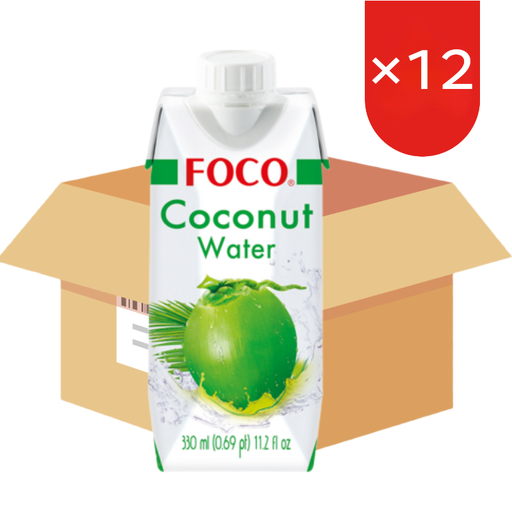
Why it suits this profile: The 330 ml individual packs are a straightforward option if you want to try coconut water without opening several litres at once.
The product information lists coconut water (100%) as the ingredient. However, check the current packaging and nutritional values before buying.
12 x 330 ml servings, suitable for storing unopened outside the fridge according to the product information, and best served chilled.
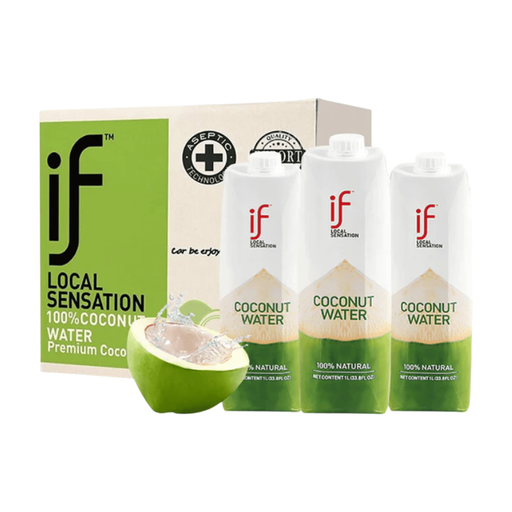
Why it suits this profile: This bulk pack is appealing if you specifically want Thai coconut water with no added sugar for regular use at home.
The ingredients list states coconut water (100%). The claim regarding natural flavour and processing comes from IF’s own product information.
12 x 1-litre cartons, 21 kcal per 100 ml according to the stated nutritional values, with advice to serve chilled.
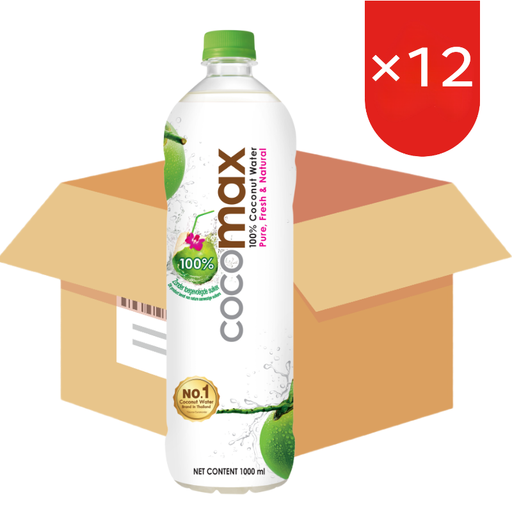
Why it suits this profile: The 12 x 1-litre cartons are suitable for sports venues, offices, families and caterers who need to keep a supply in stock.
The product description states 100% coconut water with no added sugar. Check the current packaging for the definitive information.
1-litre cartons, 12 per box, suitable for drinking chilled, adding to smoothies or serving.
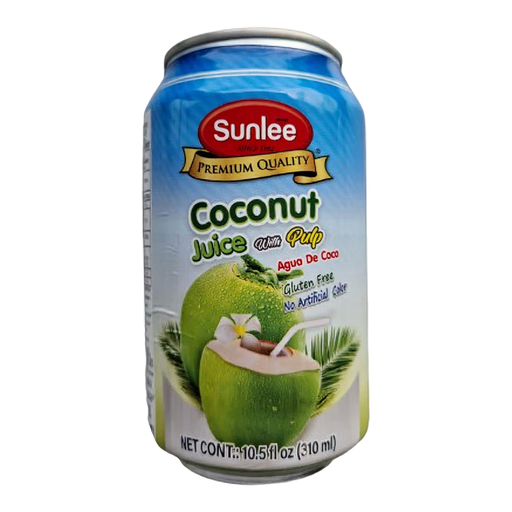
Why it suits this profile: The small pack containing young coconut meat offers a different drinking experience from clear coconut water and suits fans of Thai and South-East Asian flavours.
The ingredients clearly list coconut water, water, sugar and young coconut meat. This makes it clear from the outset that it is not 100% pure coconut water.
310 ml per can, containing pulp; shake before opening and refrigerate after opening according to the product information.
We have put together a complete, up-to-date list of products that fully meet these strict selection criteria and the applicable European safety regulations.
A chilled serving of coconut water can suit an active occasion. Focus on packaging that is easy to take with you and on the amount of sugar per 100 ml. A drink with added sugar is not the same as pure coconut water, even when both are described as refreshing.
According to brands’ own product information, coconut drinks may contain electrolytes. That does not automatically mean they are needed by every athlete. For short or light exercise, water may be enough; your choice depends on your activity, personal preference and overall diet.
No. Coconut water is the liquid found inside a coconut. Coconut juice or coconut drink may also contain water, coconut extract, sugar, flavourings or pulp. So read the ingredients list and compare the nutritional values.
This varies from one product to another. Many packs recommend refrigerating the drink and consuming it within 48 to 72 hours. Grace, for example, states a maximum of two days after opening; other products specify three days. Always follow the label on the packaging you buy.
No. Coconut water with no added sugar may still contain naturally occurring sugars. Check the nutrition table for the number of grams of sugar per 100 ml. This allows you to compare products transparently.
