
Vandaag of morgen in huis

Kwaliteit gegarandeerd

Welkomstaanbiedingen ontgrendelen: GRATIS bezorging | Tot 80% korting | Gratis 30 dagen JoyPlus-proefperiode
Download de app
Coconut water may seem like a simple purchase, but the differences between packs matter. One natural coconut drink may contain nothing but coconut water, while another version may have cane sugar or fructose added. The size also determines whether you get good value or end up with opened cartons you cannot finish.
For a family, athlete, vegan, office or catering business, three questions are particularly important: what does it contain, how much do you need and how should you store it? These checks help you compare coconut water using verifiable information rather than eye-catching marketing copy.
A product may be described as natural or pure on the front, while the ingredients list still mentions cane sugar, fructose or flavourings. Always check the full ingredients list. With 100% coconut water, coconut water should be the only ingredient. Also check the nutrition table: coconut water with no added sugar still contains naturally occurring sugars.
According to the supplied product information, examples of products containing only coconut water as an ingredient include Cocomax, Grace, FOCO, IF and Chaokoh. DOUBLE PANDA lists coconut water and cane sugar. Vietcoco lists 99% coconut water, less than 1% fructose and vitamin C.
Coconut water with electrolytes is often associated with sport and hydration. Coconut water naturally contains minerals, but the amounts vary between brands and packs. So check the nutrition table per 100 ml. For example, Chaokoh lists potassium, magnesium, phosphorus, manganese and calcium, among other nutrients. Cocomax’s product description states that it naturally contains electrolytes.
This information does not mean that the drink has a medical effect or is necessary for every sporting performance. For everyday drinking, flavour, sugar content and pack size may be more important than a general claim on the front.
A coconut water multipack containing 12 1-litre cartons may seem appealing for a family, gym or office. However, once opened, the product must be refrigerated and used within the period stated on the packaging. This period varies by product: according to the product information, Grace states two days, while several other varieties state three days. Chaokoh states up to seven days after opening.
Only buy a 1-litre coconut water pack in a quantity you will actually use. For drinking on the go, 330 or 500 ml cartons are more convenient. For catering, hospitality and businesses, a bulk pack of coconut water may be more efficient.
Start with the ingredients list, not the product name. Look for:
A statement such as “no added sugar” does not mean “sugar-free”. The natural sugar content remains present and is shown in the nutrition table.
Compare products on the same basis: per 100 ml. In the supplied information, energy values range from approximately 13 to 23 kcal per 100 ml. Sugar content also varies. Vita Coco lists 2.2 grams of sugar per 100 ml in the 6 x 1-litre pack, while Grace lists 5 grams and Cocomax 4.5 grams.
Also check salt and, where available, potassium. Nutritional values per bottle or carton may look impressive, but a litre obviously contains several servings.
Choose the size based on how you intend to use it:
Anyone looking for coconut water from Thailand and Vietnam will find products from various origins in the range. DOUBLE PANDA and Bamboo Tree are listed as products from Vietnam. Chaokoh and several IF varieties are described as Thai products or as originating from Thailand. Origin is mainly a matter of flavour and preference; always check the label for the most up-to-date information.
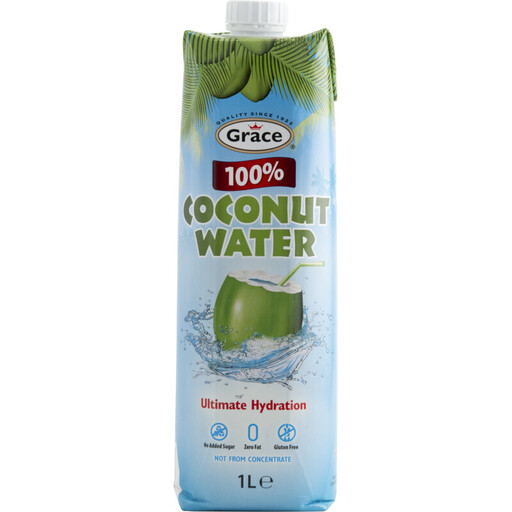
Why it suits this profile: A single 1-litre carton lets you try the flavour and see how it works for you at home, without immediately buying a large multipack.
The product information lists coconut water as the ingredient and no added sugars. Check the label upon delivery for the latest information.
1 litre, 0 grams of fat and approximately 22 kcal per 100 ml according to the product information.
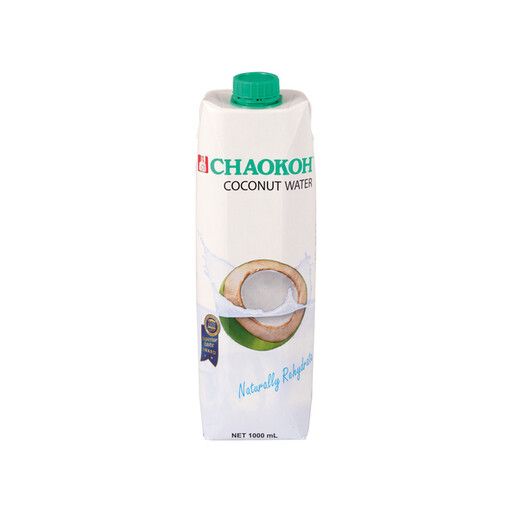
Why it suits this profile: Ideal for anyone who values Thai origin, a short ingredients list and additional mineral information on the label.
According to the product information, it consists of 100% coconut water and contains no added sugars, preservatives or artificial colourings.
Lists, among other things, 149 mg of potassium and 20 kcal per 100 ml; supplied in a 1-litre pack.
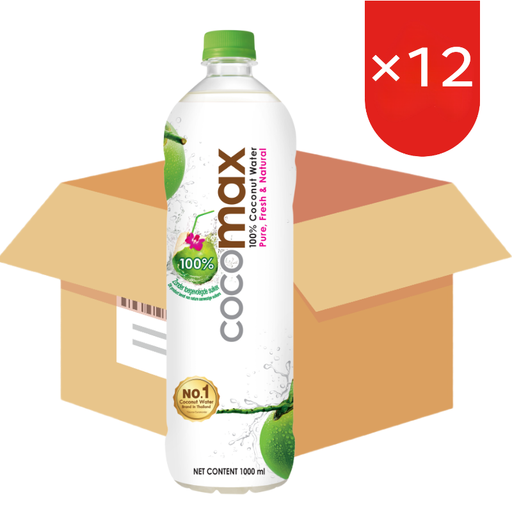
Why it suits this profile: A box containing 12 1-litre cartons is ideal for regular use in a gym, office, household or professional kitchen.
The product description states that it contains 100% coconut water and no added sugar. This makes its composition clearer than that of a sweetened coconut drink.
12 x 1 litre, 21 kcal and 4.5 grams of sugar per 100 ml according to the nutritional information provided.
We have put together a complete, up-to-date list of products that fully meet these strict selection criteria and the applicable European safety regulations.
Small packs are easy to take with you for sport and on the go. For example, Cocomax is also available as a multipack of 12 x 500 ml. For smoothies and cocktails, 1 litre is often more convenient. If you drink coconut water less frequently, it is better to start with a few cartons to avoid waste after opening.
Before consuming, always check the seal, best-before date and storage instructions. According to the product information, unopened UHT packs can often be stored outside the fridge in a cool, dry place. Once opened, the carton should be refrigerated. Follow the storage period stated on the specific label.
No. Coconut water with no added sugar still contains natural sugars from the coconut. Check the nutrition table per 100 ml to compare varieties fairly. “No added sugar” means that no extra sugar has been added to the product.
Coconut water can be a refreshing drink to enjoy during sport and exercise. Some products state that they contain naturally occurring electrolytes such as potassium and magnesium. The exact composition varies by brand. It is not a substitute for personal nutritional or medical advice, and its suitability depends on the duration and intensity of the activity.
This varies by product. The product information provided usually states two to seven days, provided it is refrigerated and properly sealed. Always check the label on your pack. You should also smell and inspect the product to make sure it still appears normal before drinking it.
