
Vandaag of morgen in huis

Kwaliteit gegarandeerd

Welkomstaanbiedingen ontgrendelen: GRATIS bezorging | Tot 80% korting | Gratis 30 dagen JoyPlus-proefperiode
Download de app
Coconut water is popular with athletes, families, vegans and fans of Asian drinks. You can drink it chilled, use it in smoothies or mix it into cocktails. However, many packs look alike, even though the ingredients, serving size and shelf life can vary.
Looking out for terms such as 100% coconut water, “natural” or “with electrolytes” can help you avoid buying a sweet coconut drink when what you really wanted was coconut water with no added sugar.
Tropical packaging and words such as “natural” reveal little about the exact ingredients. Always check the ingredients list. For a pure option, this should show just coconut water (100%), for example.
Some drinks also contain cane sugar, fructose, glucose-fructose syrup, coconut extract, carbon dioxide or preservatives. That does not necessarily make them unsuitable, but they are different products from natural coconut water.
Coconut water naturally contains sugars. On the label, these appear under “of which sugars”. This is different from added sugar. If you are looking for a product without extra sweeteners, look for a clear statement such as “no added sugar” and check the ingredients list.
For example, DOUBLE PANDA lists coconut water and cane sugar. According to the product information, Bamboo Tree contains 98.5% coconut water and cane sugar. These options may be more suitable if you are looking for a sweeter coconut drink, but not if you specifically want coconut water with no added sugar.
A box containing twelve 1-litre cartons may seem attractive for a family, office or hospitality business. First, consider how much you will actually use. Once opened, a carton must be kept refrigerated and consumed within the period stated on the packaging. This period varies by brand: some product information states 48 hours, while other products specify 2, 3 or 7 days.
For drinking on the go, smaller packs such as 330 ml cartons or 310 ml cans are more convenient. For smoothies, stocking up and sharing, 1-litre coconut water is more efficient.
Choose according to how you intend to use it:
Also look out for differences between the product title and the full description. The ingredients list on the packaging should guide your purchasing decision.
Compare the values per 100 ml, not just per carton. Among the available options, the energy content is often around 16 to 23 kcal per 100 ml, according to the product information. Sugar content also varies. Cocomax, for example, lists 4.5 grams of sugar per 100 ml; some other pure options contain around 4.1 to 5 grams.
The difference may seem small, but it adds up when you drink a full 1-litre carton. Also check the salt content and any listed minerals, such as potassium, magnesium and calcium.
An aseptic or UHT-treated product can be stored outside the fridge while unopened if the packaging states this. This mainly relates to storage and shelf life, and does not automatically indicate any particular effect.
Check the following before buying:
The term “electrolytes” refers to minerals that are present. According to the brands’ own product information, coconut water contains minerals including potassium. This makes it an interesting hydrating drink for everyday use, but it is not a substitute for personalised nutritional or medical advice.
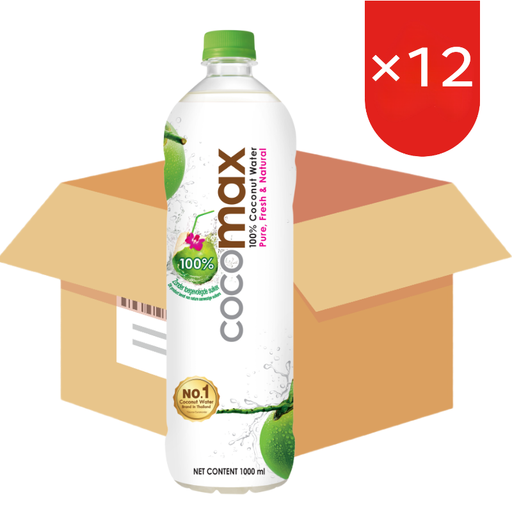
Why it suits this profile: The box contains twelve 1-litre cartons, making it suitable for stocking up at home, for a family or for sharing. According to the product information, the drink contains 100% coconut water with no added sugar.
The product description explicitly states that it is 100% pure coconut water with no added sugar. However, always check the current label when your order arrives.
12 × 1 litre, 21 kcal per 100 ml according to the description, and suitable for drinking chilled, smoothies and cocktails.
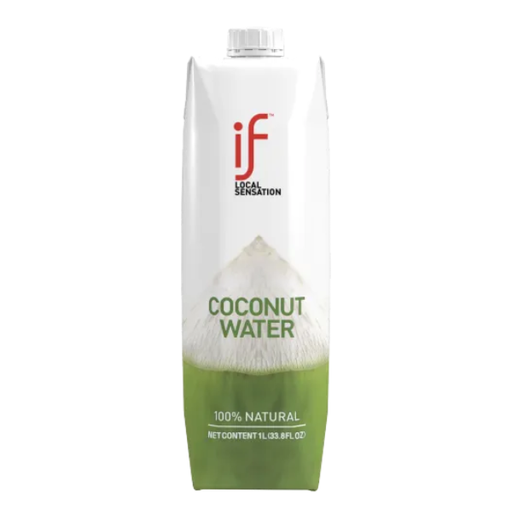
Why it suits this profile: This 1-litre option is aimed at shoppers who care about the ingredients and information about the product’s origin. According to the product description, it consists of coconut water (100%) and is recommended chilled.
The ingredients list contains only coconut water. The product information also recommends storing it away from direct sunlight and refrigerating it after opening.
100% coconut water, 1-litre capacity and approximately 21 kcal per 100 ml according to the available nutritional information.
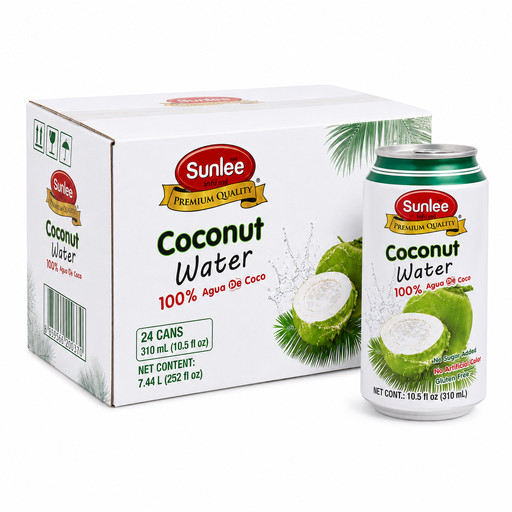
Why it suits this profile: The 24 cans of 310 ml are practical for the office, sports bags, picnics and gatherings. A small portion does not need to be shared out after opening.
The portions are smaller than a 1-litre carton and, according to the product information, contain no added sugar. Check the current packaging for exact storage instructions.
24 × 310 ml, 100% coconut water according to the product information and approximately 16 kcal per 100 ml.
We have put together a complete, up-to-date list of products that fully meet these strict selection criteria and the applicable European safety regulations.
Drinking coconut water after exercise can form part of a normal hydration routine. Some varieties naturally contain minerals such as potassium and magnesium. The exact amount varies by brand and is shown on the nutritional label. After intense or prolonged exercise, it is sensible not to rely solely on marketing claims. Instead, consider the full ingredient profile and your own needs.
This varies by product. The product information for the options mentioned states periods ranging from around 48 hours to 7 days. Always keep an opened carton in the fridge, seal it properly and follow the label instructions. Also smell and inspect the product to make sure it still seems normal before drinking it.
A multipack can be practical if you drink coconut water regularly, stock an office or run a hospitality business. Compare the price per litre and take storage space, shelf life and waste into account. For occasional use, a smaller pack may be better suited financially and practically.
