
Vandaag of morgen in huis

Kwaliteit gegarandeerd

Welkomstaanbiedingen ontgrendelen: GRATIS bezorging | Tot 80% korting | Gratis 30 dagen JoyPlus-proefperiode
Download de app
Coconut water is popular among athletes, families, vegans and fans of Asian beverages. However, not every product labelled coconut water is the same. Some varieties contain added sugar, fruit juice or coconut extract instead of being made exclusively with coconut water. The format also matters: a small carton is convenient on the go, while 1-litre coconut water or a coconut water multipack may be more practical at home.
As a Joybuy Product Recommendation Officer, I filter product information against verifiable criteria, so you can compare marketing claims with ingredients, nutritional values and pack sizes.
A product may have a tropical flavour while actually consisting of water, coconut extract, sugar and flavourings. One example is coconut drink with pulp: according to Coco Rico’s product information, this variety contains carbonated water, sugar or glucose-fructose syrup, coconut extract and preservative.
If you want 100% coconut water, check the ingredients list. Ideally, it should state only “coconut water”. Also pay attention to the difference between coconut water with no added sugar and a sugar-free product. Pure coconut water naturally contains sugars.
A mango, lychee or pineapple variety may better suit your taste, but it is not the same as 100% coconut water. According to the product description, FOCO Coconut Water with Mango contains 5% mango purée. The lychee and pineapple varieties also contain 5% fruit juice. This makes them a flavoured tropical drink, not pure coconut water.
So always compare:
A box of 12 cartons may seem appealing, but first consider your consumption and the product’s shelf life after opening. A 1-litre carton is convenient for a household or for making smoothies, but once opened it must be refrigerated and consumed within the period stated on the packaging. For individual use, cans or cartons of 310 to 500 ml can help reduce waste.
Use this simple classification:
Remember that “no added sugar” does not mean the product is sugar-free. Coconut water’s natural sugars will still appear in the nutrition table.
Coconut water is often marketed as coconut water with electrolytes. Potassium, sodium, calcium and magnesium are minerals that occur naturally in some products. The exact amounts vary by brand and batch.
According to KARA’s product information, for example, 100 ml contains 180 mg of potassium, while Chaokoh lists 149 mg of potassium per 100 ml. Use figures like these to compare products objectively. A brand’s hydration or recovery claim should not be interpreted as a medical benefit. Some brands state that their coconut water is suitable after exercise, but it does not replace individual nutritional or health advice.
Choose the format based on how you plan to use it:
Also check the storage instructions. Many unopened cartons can be stored outside the fridge in a cool, dry place. Once opened, coconut water should generally be refrigerated. Always follow the date and instructions on the packaging.
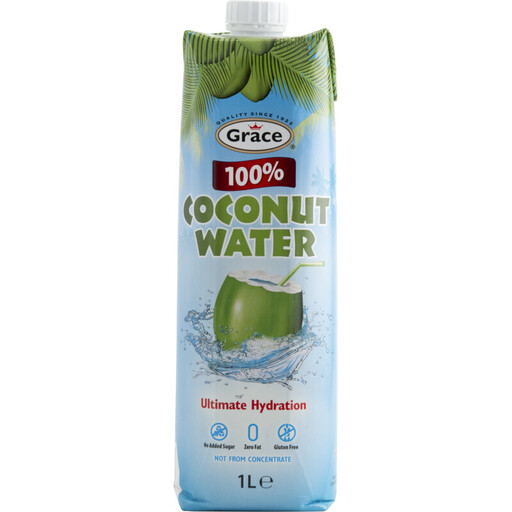
Why it’s a good fit: A straightforward 1-litre format for anyone who wants to try coconut water regularly without immediately committing to a large box.
The ingredients list contains coconut water only, and the product information mentions no added sugars or pulp.
100% coconut water; 22 kcal and 5 g of sugar per 100 ml according to the product information.
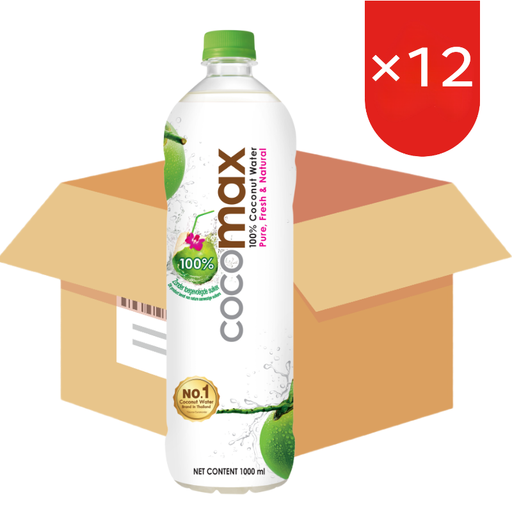
Why it’s a good fit: A bulk pack for households, sports clubs, shared office fridges or frequent smoothie makers.
The description states 100% pure coconut water with no added sugar. Check the current packaging when your order arrives.
12 1-litre cartons; 21 kcal and 4.5 g of sugar per 100 ml according to the provided nutritional values.
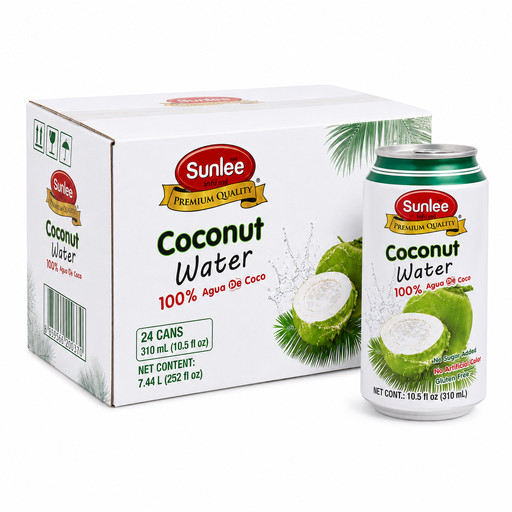
Why it’s a good fit: Individual servings are practical for work, exercise, day trips and households where everyone does not drink at the same time.
The product information states 100% coconut water with no added sugar and no fruit juice used as a flavouring.
24 servings of 310 ml; 16 kcal and 2.8 g of sugar per 100 ml according to the product description.
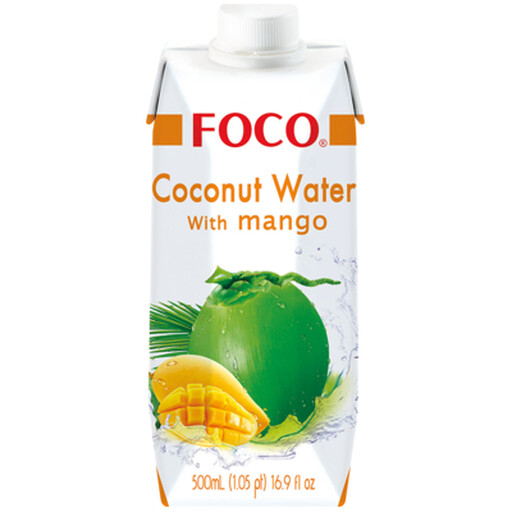
Why it’s a good fit: For anyone who wants to combine coconut water’s delicate flavour with mango in a convenient format.
The product information clearly states 100% coconut water plus 5% mango purée. You therefore know that this is not pure coconut water.
500 ml per bottle; 21 kcal and 5.2 g of naturally occurring sugars per 100 ml according to the product description.
We have put together a current selection of products that meet these criteria and relevant EU labelling requirements.
For coconut water after exercise, serving size, flavour and nutritional values are the most practically relevant factors. A 330 or 500 ml format is easy to take with you. When choosing coconut water with electrolytes, check how much of each mineral is actually listed in the nutrition table rather than relying solely on the front of the packaging.
During intense or prolonged exercise, your need for fluids and nutrients may vary. Coconut water is one beverage option, not a substitute for an individually tailored sports or nutrition plan.
No. Pure coconut water naturally contains sugars. “No added sugar” means that, according to the ingredients list, no additional sugar has been added. Check the nutrition table to see how many grams of sugar are present per 100 ml.
Unopened coconut water can often be stored outside the fridge, provided it is kept in a cool, dry place away from direct sunlight. Once opened, it should be refrigerated. The exact storage period varies by brand, so follow the label.
That depends on the price per litre and your consumption. Divide the total price by the total number of litres and compare the result with individual packs. A multipack is most practical when you will use the cartons before their best-before date.
