
Vandaag of morgen in huis

Kwaliteit gegarandeerd

Welkomstaanbiedingen ontgrendelen: GRATIS bezorging | Tot 80% korting | Gratis 30 dagen JoyPlus-proefperiode
Download de app
Coconut water may seem easy to compare at first glance. However, products vary considerably in ingredients, size and intended use. A small carton for drinking on the go calls for a different choice than a multipack of coconut water for a family, gym or catering business.
The main pitfalls are usually not found on the eye-catching front of the packaging, but in the ingredients list and nutrition table.
The terms coconut drink, coconut juice and coconut water are often used interchangeably. Always check the ingredients. With 100% coconut water, coconut water is listed as the only ingredient. Other products may contain water, sugar, fructose, flavourings or coconut flesh.
For example, Sunlee Coconut Juice with Pulp contains coconut water, water, sugar and young coconut fibre. According to the stated nutritional values, the product provides 6.4 grams of sugar per 100 ml. That does not automatically make it unsuitable, but it is different from coconut water with no added sugar.
A tropical design or reference to Thai coconuts is no substitute for reading the label. According to Cocomax’s own product information, the drink consists of 100% coconut water and contains no added sugar. FOCO Roasted Coconut Water, on the other hand, contains 99.2% coconut water, along with sugar and flavouring.
So compare the ingredients rather than relying only on terms such as “pure”, “natural” or “refreshing”.
A 12-pack of coconut water can be practical for a household, office or catering business. However, an opened carton generally needs to be refrigerated and consumed within the period stated on the packaging. Also check that you have enough storage space and pay attention to the best-before date.
Use this simple classification:
The nutrition table helps you compare different options. For example, Cocomax lists 21 kcal and 4.5 grams of sugar per 100 ml. Sunlee with pulp lists 30 kcal and 6.4 grams of sugar per 100 ml. These figures are product details and may vary between packs, so always check the current packaging.
A 1-litre coconut water is ideal for use at home, in smoothies, cocktails and for sharing. Smaller packs, such as 330 ml or 500 ml, are more convenient for drinking on the go or as a single serving.
When choosing a 12-pack of coconut water, consider two things:
A pack of 12 × 1 litre contains 12 litres in total. This can be practical for a large household, sports venue, office or catering kitchen, but less suitable for occasional use.
According to the product information provided by various brands, unopened UHT packs can be stored outside the fridge, provided they are kept in a cool, dry place away from direct sunlight. Once opened, the usual advice is: refrigerate, seal tightly and consume within the period stated on the label.
The stated period varies by product. Chaokoh, for example, specifies a maximum of seven days after opening, while other products state three days or 48 hours. Always follow the instructions on your own packaging.
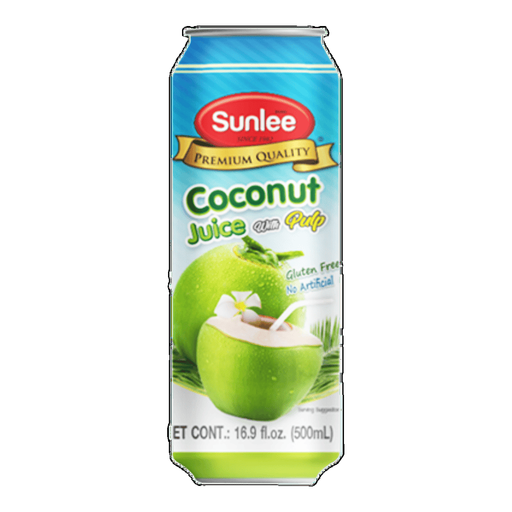
Why it suits this profile: A manageable size for trying coconut water with pulp for the first time, without immediately buying a multipack.
The ingredients and nutritional values make it clear that this is not coconut water with no added sugar. That way, you know exactly what you are buying.
485 ml, young coconut fibre and, according to the product description, free from artificial colourings and gluten.
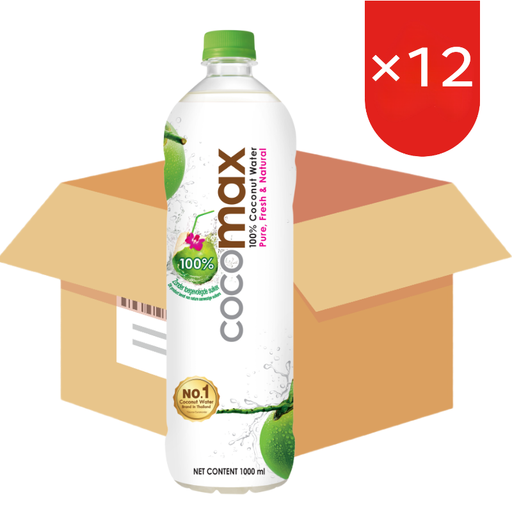
Why it suits this profile: Suitable for anyone looking for a pure option with no added sugar and who drinks coconut water regularly.
According to its own product information, Cocomax consists of 100% coconut water and contains no added sugar.
12 1-litre cartons, 21 kcal per 100 ml according to the stated table, and suitable for drinking, smoothies and cocktails.
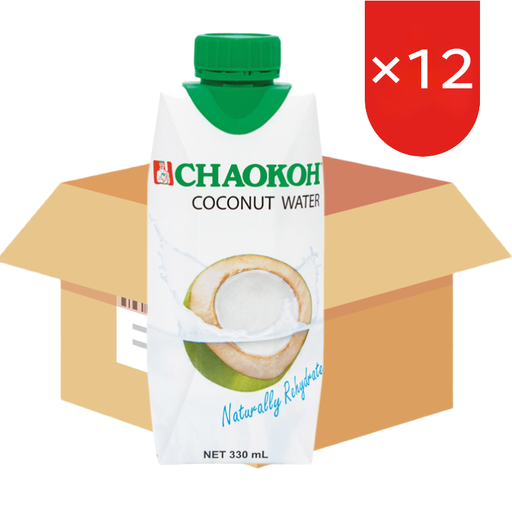
Why it suits this profile: The small portions are convenient for sport, work, events or individual resale.
The ingredients list names coconut water as the only ingredient. When your order arrives, check the actual size on the packaging.
12 individual packs, 20 kcal per 100 ml according to the product information, and suitable for vegan users.
Coconut water is a light drink that you can enjoy chilled or use in smoothies and cocktails. Coconut milk is made from coconut flesh and contains considerably more fat. This makes Asian coconut milk a better choice for curries, soups, desserts and sauces.
For cooking, Aroy-D Original Coconut Milk, 1L and Mae Ploy Blue Coconut Milk UHT - 1 L are logical categories to consider. So do not choose coconut milk when you are looking for a low-calorie drink; the products list approximately 18 to 19 grams of fat per 100 ml.
We have put together a complete, up-to-date list of products that fully meet these strict selection criteria and the applicable European safety regulations.
No. Coconut water naturally contains sugars. “With no added sugar” means that no extra sugar has been added to the product. Check both the ingredients list and the nutritional value per 100 ml.
This varies by brand and packaging. Keep opened coconut water refrigerated and follow the period stated on the label. Product information may specify 48 hours, three days or seven days. Seal the carton tightly and do not use it if the smell, taste or packaging seems unusual.
For occasional use, 330 ml or 500 ml are practical serving sizes. A 1-litre coconut water is suitable for smoothies, meals and sharing. A 1-litre 12-pack is mainly worthwhile when several people or a business drink coconut water regularly.
