
Vandaag of morgen in huis

Kwaliteit gegarandeerd

Welkomstaanbiedingen ontgrendelen: GRATIS bezorging | Tot 80% korting | Gratis 30 dagen JoyPlus-proefperiode
Download de app
Coconut water is popular with athletes, vegans, families and fans of Asian beverages. Yet many packages look remarkably similar. Words such as “natural”, “hydrating” and “electrolytes” do not automatically mean you are buying the right product. If you focus only on the front of a carton, you may end up with a sweeter coconut drink, an inconvenient format or more stock than your home can accommodate.
This practical buying guide helps you compare 100% coconut water, coconut drinks and other plant-based beverages based on ingredients, nutritional values, origin, packaging and intended use.
Always check the ingredients list. For 100% coconut water, coconut water should be listed as the only ingredient. Products such as coconut drinks may also contain sugar, fructose, syrup, flavourings or coconut pulp.
According to the product information, Vietcoco contains 99% coconut water, fructose and vitamin C, for example. DOUBLE PANDA contains coconut water and cane sugar. That may be perfectly suitable if you are looking for a sweeter taste, but it is not the same as coconut water with no added sugar.
Coconut water naturally contains minerals, including potassium and small amounts of sodium. Several brands therefore position it as an electrolyte or hydrating drink in their product descriptions. However, the exact amounts vary from one product to another.
Chaokoh lists, among other values, 149 mg of potassium and 22.8 mg of sodium per 100 ml. This is verifiable product information, but it does not automatically make coconut water equivalent to every sports drink. Compare the label with your intended use and do not rely solely on marketing claims.
A coconut water multipack is convenient for families, offices, catering businesses or anyone who regularly takes a carton to the gym. However, twelve 1-litre cartons take up considerable space and have a limited shelf life once opened.
According to the label, unopened UHT packs can generally be stored outside the refrigerator. Once opened, coconut water should be refrigerated. The recommended storage period varies by brand: Cocomax refers consumers to the packaging, IF Thailand recommends consuming it within 48 hours and FOCO within approximately three days. Always check the current packaging.
Looking for a pure taste with as few additional ingredients as possible? Look for:
Important: “No added sugar” does not mean sugar-free. Coconut water naturally contains sugars. In the available product information, this ranges from approximately 4.1 to 4.5 grams of sugar per 100 ml for various 100% variants.
Always compare products per 100 ml, rather than only per bottle or carton. Cocomax lists 21 kcal, 5.3 grams of carbohydrates and 4.5 grams of sugars per 100 ml. UFC Refresh lists 23 kcal and 4.4 grams of sugars. Minor differences may result from the brand, origin and production batch.
A sweeter coconut drink containing sugar may have considerably different nutritional values. According to the product information, KATO Coconut Juice with Nata De Coco contains 8.8 grams of sugars per 100 ml and consists of 25% coconut juice, with nata de coco, fruit syrup and sugar.
Choose the format that matches how you intend to use it:
If you are looking for Thai coconut water, consider products such as IF Thailand, Chaokoh and UFC Refresh. According to the product information, FOCO and several other variants originate from Vietnam. Origin can influence the taste experience, but it is not an independent guarantee of quality.
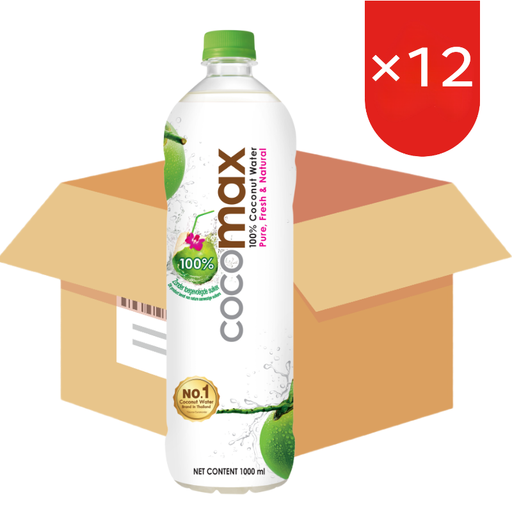
Why it is a good fit: A reliable supply for households, sports clubs or offices that drink coconut water regularly.
The product description states 100% coconut water with no added sugar. This makes the composition clearer than that of sweetened coconut drinks.
12 1-litre cartons, 21 kcal per 100 ml according to the product information, suitable for drinking, smoothies or mixed drinks.
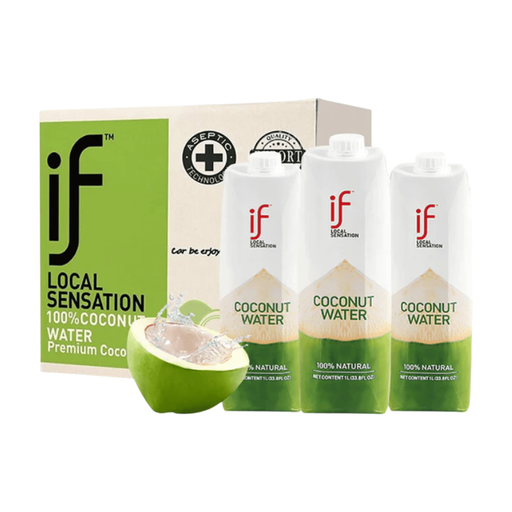
Why it is a good fit: For those specifically seeking Thai coconut water with a soft, naturally sweet flavour.
The ingredients list specifies 100% coconut water. The product is not confused with a sweetened coconut drink.
12 litre cartons, 21 kcal per 100 ml and storage guidance stating that it can be refrigerated for up to 48 hours after opening.
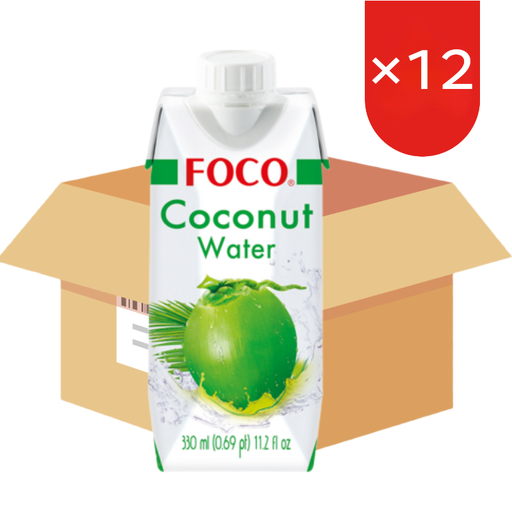
Why it is a good fit: Small portions are convenient for work, cycling, travel or after exercise, without having to open a litre carton.
Each pack contains 330 ml and, according to the product information, 100% coconut water without additives.
12 individual portions that, according to the product description, can be stored unopened at room temperature.
Not every refreshing beverage serves the same purpose. Natural coconut water is a good choice if you are looking for a light, tropical drink without dairy ingredients. An aloe vera drink, such as OKF Original or Strawberry, may have a different texture and flavour; check whether sugar or sweeteners have been added.
A soy drink is not a substitute for coconut water if your main priority is a light thirst quencher. Alpro Soy Drink Original lists 3 grams of protein and 39 kcal per 100 ml and is intended for breakfast, coffee or smoothies. According to the product information, V-SOY Original contains soy and gluten from barley. Always check the packaging for allergens.
Explore our current range and compare coconut water, aloe vera drinks, soy drinks and other plant-based beverages by format, ingredients and intended use.
Coconut water can be enjoyed after exercise as a refreshing drink. According to product descriptions, it naturally contains electrolytes, but its composition varies by brand. During intense or prolonged exercise, a dedicated sports drink may contain different amounts of carbohydrates and minerals. Compare the label with your personal needs.
Store opened coconut water in the refrigerator and follow the instructions on the label. IF Thailand states that it should be consumed within 48 hours, while FOCO recommends approximately three days. According to the product information, Chaokoh can be refrigerated for up to seven days after opening. Always use the current packaging as your guide.
A multipack may reduce the price per litre, but this depends on the current promotion and delivery costs. Calculate the total price divided by the number of litres. Only buy twelve 1-litre cartons if you have enough storage space and can use the stock within its shelf life.
