
Vandaag of morgen in huis

Kwaliteit gegarandeerd

Welkomstaanbiedingen ontgrendelen: GRATIS bezorging | Tot 80% korting | Gratis 30 dagen JoyPlus-proefperiode
Download de app
Coconut water is a popular, refreshing and hydrating beverage. But anyone searching online or in-store will quickly notice that the selection is overwhelming and the labels can be confusing. Not every drink with "coconut" on the packaging is the same. Before you make a choice, it's wise to be aware of a few common pitfalls. This will help you avoid disappointment and ensure you get exactly what you're looking for.
bulk-pack of coconut water can be significantly more cost-effective in the long run.To be confident in your purchase, there are a few objective specifications you can easily check on the label.
The most reliable indicator of purity is the ingredient list. If you're looking for sugar-free coconut water or products without other additives, the list should ideally contain just one ingredient: 100% coconut water. Products with additions like sugar, fructose, "natural flavours," or concentrates are, by definition, not pure coconut water.
A quick glance at the nutrition facts table tells you a lot. Pure coconut water naturally contains a small amount of sugar (usually around 3–5 grams per 100 ml) and is fat-free. It's a well-known natural electrolyte drink due to the presence of potassium. The amount of potassium is often listed and is a good indicator of a natural, hydrating beverage.
The taste of coconut water can vary depending on the origin of the coconuts. Thai coconut water, for example, is known for its naturally sweeter and rounder flavour. The origin can give you an indication of the flavour profile to expect.
Based on these objective criteria, we have selected several products that suit different needs and preferences.
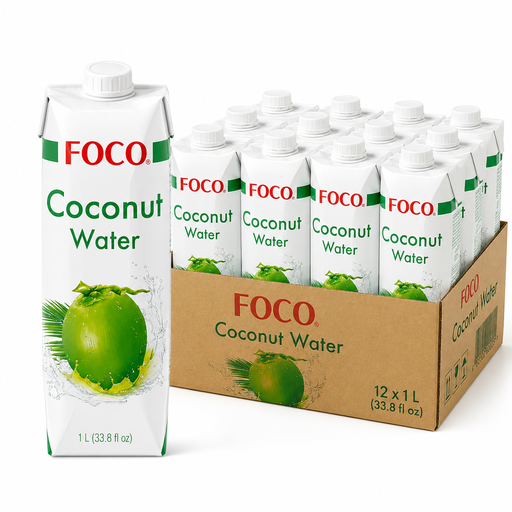
Why This Fits Their Persona: For those seeking purity after a workout or as a daily healthy beverage. No sugar, no additives, just hydration. This is a reliable choice for the pantry.
The ingredient list is crystal clear: 100% coconut water. This isn't a confusing 'coconut drink' with hidden sugars.
A pure, single-ingredient product; convenient 1-litre coconut water format for daily use.
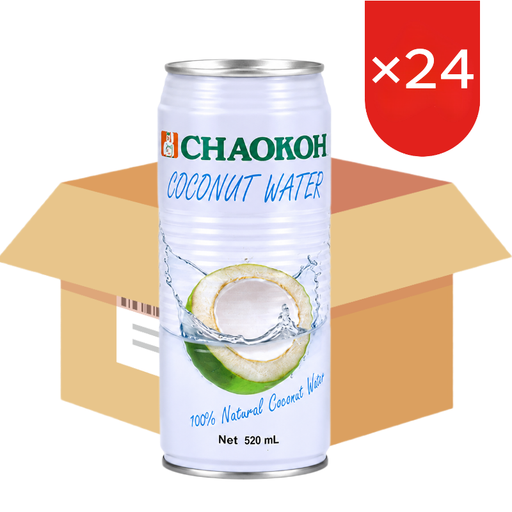
Why This Fits Their Persona: Ideal for families, athletes, or small businesses that use coconut water regularly and are cost-conscious.
By buying a bulk pack of coconut water, you bypass the high price-per-litre of individual cans and always have a supply.
Excellent price per litre; authentic Thai coconut water in convenient 520 ml cans.
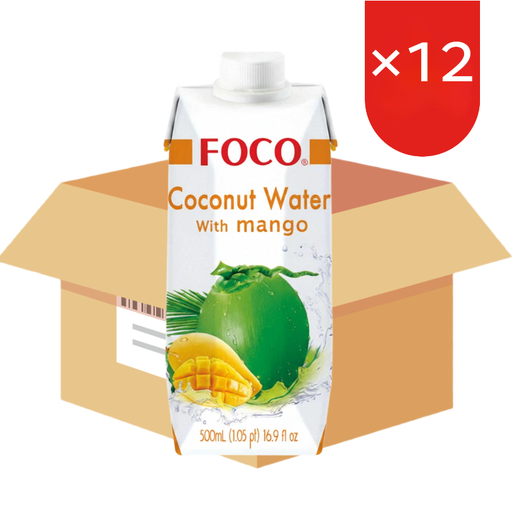
Why This Fits Their Persona: For those who find plain coconut water a bit monotonous but still want a refreshing and relatively light tropical drink for on-the-go or as a snack.
This product is transparent about the addition of mango juice (5%). It doesn't pretend to be pure coconut water, so you know exactly what you're getting.
A fruity twist on a hydrating base; enriched with vitamin C and packaged in a convenient 500 ml size.
We've compiled a complete, up-to-date list of products that meet these selection criteria and comply with current regulations.
Coconut water is the clear, thin liquid found naturally inside young, green coconuts. Coconut juice, on the other hand, is often a processed beverage. It is typically made from water, sugar, and coconut extract or pulp, resulting in a sweeter taste and a higher calorie content. Always read the label to see what you're buying.
Once opened, a carton of coconut water should be stored in the refrigerator. Most brands recommend consuming the contents within 3 days to ensure freshness and flavour. The exact shelf life after opening is always stated on the packaging.
Due to its naturally occurring electrolytes, particularly potassium, coconut water is often used as a natural electrolyte drink to rehydrate after light to moderate exercise. For very intensive or prolonged workouts, a dedicated sports drink formulated with a higher concentration of carbohydrates and sodium may be a more suitable choice.
