
Vandaag of morgen in huis

Kwaliteit gegarandeerd

Welkomstaanbiedingen ontgrendelen: GRATIS bezorging | Tot 80% korting | Gratis 30 dagen JoyPlus-proefperiode
Download de app
Coconut water is available as a pure drink, a tropical coconut drink with fruit and convenient individual portions. That makes choosing seem straightforward, but the label can reveal significant differences. Packaging featuring a tropical image does not always contain 100% coconut water. Sugar, fruit juice or syrup may have been added. A multipack may also seem like good value, yet once opened, you may need to use several cartons quickly.
As a Joybuy Product Recommendation Officer, I filter the most important information for you. This way, you can compare coconut water based on ingredients, volume, nutritional values and when you plan to drink it, rather than being guided by general marketing claims.
Packaging may say that a drink has a natural taste or comes from young coconuts. That does not necessarily mean that no sugar has been added. Always check the ingredients list.
If you want coconut water with no added sugar, do not just look at the front of the pack. Look for “ingredients: coconut water (100%)” and compare the nutrition table per 100 ml.
Coconut water naturally contains minerals, including potassium and sodium. That is why brands regularly use the term coconut water with electrolytes. However, the amounts can vary from one brand and product to another. For example, according to Chaokoh’s product information, the drink contains 149 mg of potassium per 100 ml, while KARA lists 180 mg of potassium per 100 ml.
You should therefore assess “rich in electrolytes” by checking the label. Treat this as nutritional information, not a medical promise. For everyday thirst, regular use or coconut water after exercise, the flavour and practicality of the packaging can be just as important as the mineral content.
1-litre coconut water is ideal for keeping in the fridge and can be used for several glasses, smoothies or mixed drinks. For work, school, cycling or the gym, 500 ml coconut water is often more practical. A 330 ml carton is suitable as a lunchtime serving or for children, depending on their preference.
Also check the storage instructions. According to the product information, IF coconut water should be refrigerated after opening and used within 48 hours. Other products may have different time limits. Always check the packaging.
Start with the ingredients list. For pure coconut water, look for:
A fruit flavour is not necessarily the wrong choice. Coconut water with fruit can be more appealing if you find the flavour of pure coconut water too mild. According to the product information, FOCO Coconut Water with Pineapple and FOCO Coconut Water with Pink Guava contain 5% fruit juice and vitamin C. They are therefore fruit-flavoured drinks, not 100% coconut water.
Compare the total volume, not just the number of cartons:
If you wish, calculate the price per litre. A 12-pack of 500 ml contains 6 litres in total; a 12-pack of 1 litre contains 12 litres. This helps prevent a low price per box from giving a misleading impression.
The reference products in this overview generally list around 20 to 23 kcal per 100 ml. The amount of sugar varies. With pure coconut water, this is usually naturally occurring sugar; flavoured drinks may contain added sugar.
Therefore, compare these three lines:
Also consider the origin, pack size and shelf life. These factors determine whether the drink suits everyday use, sporting occasions or storing in the cupboard.
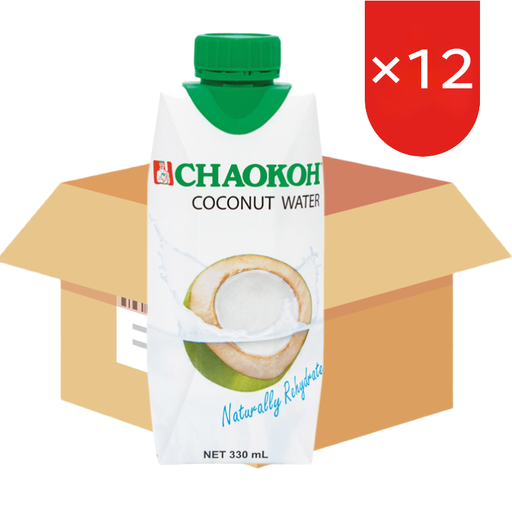
Why it suits this profile: The 330 ml portions are easy to manage if you are trying coconut water for the first time or prefer to drink a small amount at a time.
The product information lists coconut water (100%) and no added sugar. Check the current packaging for the full details.
12 individual portions, 100% coconut water according to the product description, and suitable for vegans and vegetarians.
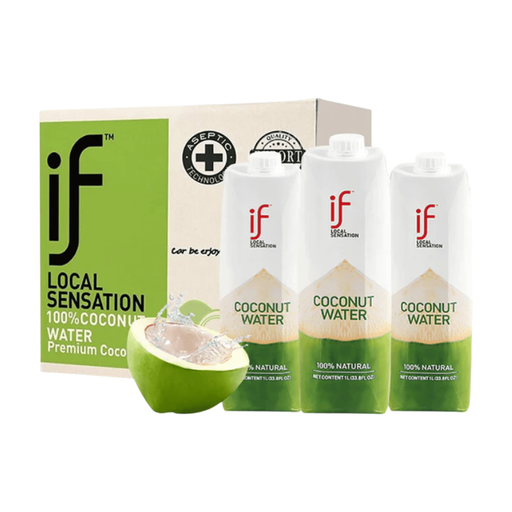
Why it suits this profile: The 1-litre cartons are suitable for home use and for anyone wanting to keep a supply of natural coconut drink.
According to the product information, it consists of coconut water (100%) with no added sugar, colourings or preservatives.
12 1-litre cartons, Thai young coconut according to the description, and ideal served chilled.
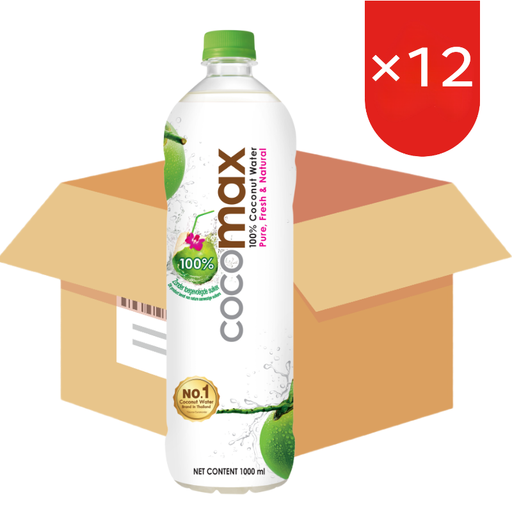
Why it suits this profile: A 12-litre box is practical for families, athletes and households that drink coconut water regularly.
The product description states that it contains 100% coconut water and no added sugar. The volume per carton is clearly given as 1 litre.
12 1-litre cartons, approximately 21 kcal per 100 ml according to the product information, and suitable for smoothies and serving chilled.
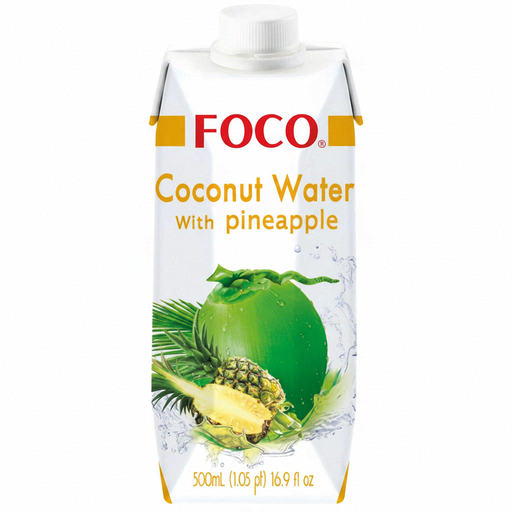
Why it suits this profile: The combination with pineapple juice is ideal if you are looking for a sweeter tropical coconut drink to enjoy on the go or with a meal.
The product information clearly states that it contains 5% pineapple juice. You can therefore choose it deliberately as a fruit flavour, rather than as pure coconut water.
Convenient 500 ml format, 20 kcal per 100 ml according to the product information, and suitable for drinking chilled or over ice.
We have put together a complete, up-to-date list of products that fully meet these strict selection criteria and the applicable European safety regulations.
Coconut water can be enjoyed after exercise as a refreshing drink. It naturally contains water and electrolytes, but its composition varies from one brand to another. Check the nutritional values and choose the format that suits when you plan to drink it. After intense exercise or if you have specific nutritional needs, plain water or a specially formulated sports drink may be more suitable.
This varies by product. According to the product information, IF states that it can be refrigerated for up to 48 hours. Other varieties specify a period of several days or up to 7 days. Seal the carton properly, store it in the fridge and always follow the label instructions. Unopened cartons can often be stored outside the fridge if this is stated on the packaging.
A 12-pack of coconut water can be practical if you drink it regularly, but compare the price per litre. A box with 12 cartons of 500 ml contains 6 litres; a box with 12 cartons of 1 litre contains 12 litres. Also consider your storage space and the shelf life. For occasional use, individual cartons or 330 ml portions may be a more sensible choice.
