
Vandaag of morgen in huis

Kwaliteit gegarandeerd

Welkomstaanbiedingen ontgrendelen: GRATIS bezorging | Tot 80% korting | Gratis 30 dagen JoyPlus-proefperiode
Download de app
Coconut water is popular as a light thirst-quencher, a drink for on the go, or a base for smoothies. However, packaging varies greatly in composition, size and ease of use. If you only look out for words like “natural”, “electrolytes” or “no sugar”, you could end up choosing a product that doesn’t suit your everyday needs.
For athletes, a handy size for after training is key. Families and offices often benefit more from coconut water 1 litre or a coconut water multipack. So check the label first, and only then look at the brand or packaging.
Check the ingredients list. Some products are made from coconut water with cane sugar, fructose or other added ingredients. For example, Bamboo Tree lists 98.5% coconut water and cane sugar. DOUBLE PANDA lists coconut water and cane sugar. That’s quite different from coconut water with no added sugar.
The nutritional information can also give you a quick clue. A product with around 4.5 to 5 grams of sugar per 100 ml may still contain only naturally occurring sugars, but always check the full ingredients list to be sure.
A coconut water 12-pack of 1 litre is practical for a family, office or catering environment, but once opened, the pack must be kept refrigerated and used within the time stated on the packaging. For individual use, smaller packs can help reduce waste.
A 330 ml or 500 ml pack is handier for a sports bag or lunchbox. A litre pack is better suited to smoothies, shared use and bulk buying. So compare the price per litre, not just the price per box.
Coconut water naturally contains minerals, including potassium. The exact amount varies by brand and product. According to the product information for Chaokoh, it contains 149 mg of potassium and 20 kcal per 100 ml. That makes it interesting if you want to drink coconut water after exercise, but it doesn’t mean every product has the same composition.
For intense exercise, also look at the total nutritional value, salt content and serving size. A marketing claim about coconut water with electrolytes should always be checked against the nutrition facts table.
If you’re specifically looking for 100% coconut water, check that the ingredients list only says “coconut water”. Grace 100% Coconut Water, IF 100% Coconut Water and Chaokoh 100% Pure Coconut Water are described in the product information as products containing only coconut water.
Vita Coco has different variants. The 1-litre pack lists coconut water and vitamin C as ingredients. The 330 ml pack is described as containing 99% coconut water and a little fructose. So pay attention to the exact size and its corresponding product information.
Coconut water is generally low in fat, but does contain naturally occurring sugars. In the products mentioned, the energy ranges from around 20 to 23 kcal per 100 ml. That helps when comparing a low-calorie thirst-quencher, without suggesting the product is automatically suitable for every diet.
Pay particular attention to:
A coconut water 1 litre is suitable for home, smoothies and shared use. Smaller packs are more practical on the go. Always check the packaging after opening: Grace advises consuming within two days when refrigerated, IF within 48 hours, and Vita Coco 6x1L within three days. Other variants may give a different timeframe.
For bulk buying, a coconut water 12-pack is appealing, but check the best-before date and the storage space you have available. For catering, hospitality and offices, cases of 12 x 1 litre can make sense; for individual use, a coconut water 12-pack of 330 ml or 500 ml is often more manageable.
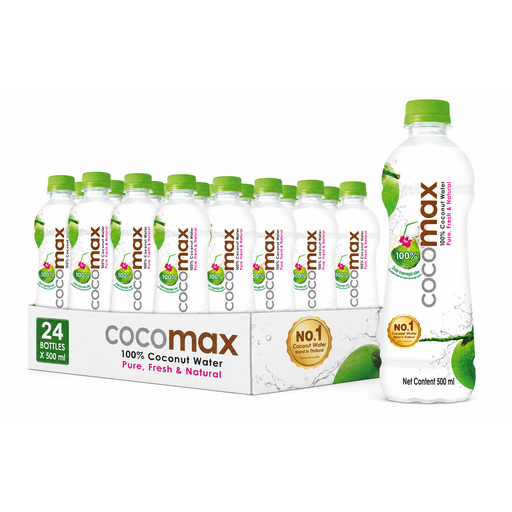
Why this fits the profile: The 500 ml pack is useful for daily drinking, on the go or after a workout. The box contains twelve packs, without immediately opting for a large litre size.
The product information states 100% pure coconut water and no added sugar. The nutritional value is 21 kcal per 100 ml.
Twelve portions of 500 ml, 0 g fat per 100 ml and suitable for drinking chilled or in smoothies.
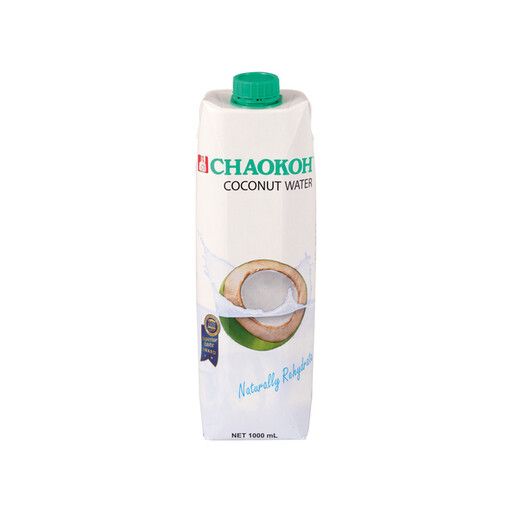
Why this fits the profile: This is a litre pack for those who want to compare the ingredients list and nutritional information carefully, and who are looking for coconut water with no added sugar.
The product description states 100% coconut water, with no added sugars and no artificial additives.
20 kcal per 100 ml and listing of potassium, magnesium, calcium and other minerals in the nutritional information.
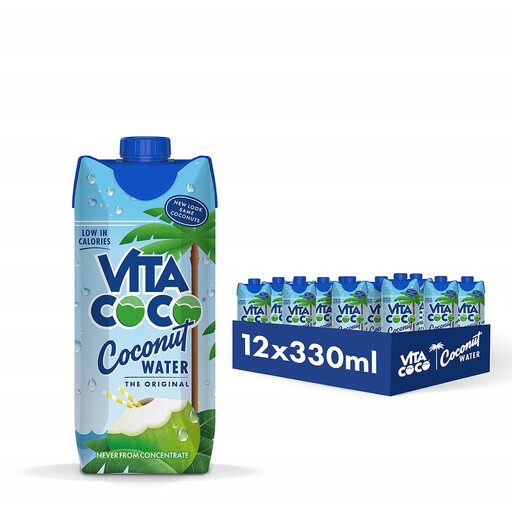
Why this fits the profile: Small portions are suitable for sports bags, offices and times when a full litre pack isn’t needed.
The 330 ml portion limits leftovers after opening. According to the product description, this variant contains 99% coconut water and a little fructose.
Twelve individual packs, 18 kcal per portion according to the product information, and listed potassium and vitamin C.
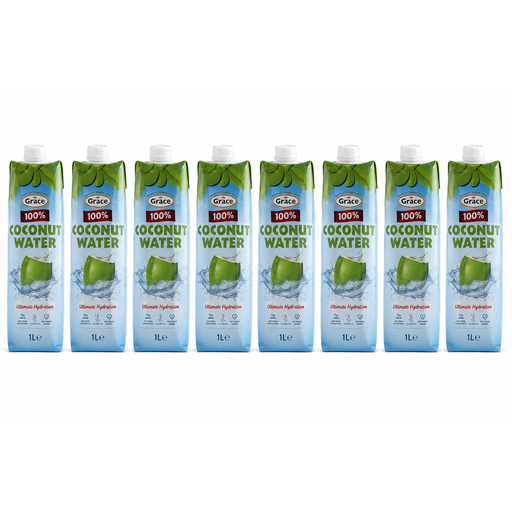
Why this fits the profile: Eight litre packs provide stock for shared use, breakfast, smoothies or service in a small catering kitchen.
The product information lists only coconut water as an ingredient and no added sugar. Once opened, the pack must be kept refrigerated and used within two days.
1-litre format, 22 kcal per 100 ml and 0 g fat according to the stated nutritional values.
We’ve put together a full, up-to-date list of products that fully meet these strict selection criteria and comply with current European safety regulations.
Not always. “No added sugar” means no extra sugar has been added, but you should still check the ingredients list. With 100% coconut water, only coconut water is usually listed. Naturally occurring sugars may still be present.
A 330 ml or 500 ml pack is easy to take with you and doesn’t need to be divided up after opening. For use at home after exercise, a litre pack can be more practical. When looking at coconut water with electrolytes, check the actual nutritional values rather than just the front of the packaging.
This varies by product. Store opened coconut water in the fridge and follow the time stated on the label. In the product information for the variants mentioned, this time ranges from 48 hours to seven days. Shake the pack if indicated on the packaging, and do not use it if the packaging is damaged.
