
Vandaag of morgen in huis

Kwaliteit gegarandeerd

Welkomstaanbiedingen ontgrendelen: GRATIS bezorging | Tot 80% korting | Gratis 30 dagen JoyPlus-proefperiode
Download de app
Coconut water is popular with athletes, vegans, families and anyone looking for a light, tropical drink. Yet the packaging often looks similar, even when the ingredient lists suggest otherwise. For example, a product with a large coconut on the front may contain added sugar, fruit juice or only a proportion of coconut water.
So don’t focus solely on the flavour or brand name. The ingredient list, nutritional information and pack size determine whether a coconut drink suits your needs. This helps you avoid paying too much for a small pack or buying a product that does not match your expectation that it is 100% coconut water.
Check the ingredients. With 100% coconut water, coconut water should be listed as the only ingredient. Some drinks also contain sugar, fructose, fruit juice, flavourings or coconut pulp. That is not necessarily a bad thing, but it is a different product category.
According to the product information, Vita Coco Coconut Water contains 99% coconut water and a small amount of fructose, for example. Sunlee Coconut Juice with Pulp contains coconut water, water, sugar and young coconut flesh. So if you are specifically looking for coconut water without added sugar, you need to look beyond the product name.
Coconut water naturally contains minerals. Brands may also highlight electrolytes or recommend their products after exercise. According to FOCO’s own information, its coconut water contains potassium, sodium, calcium, phosphorus and magnesium, among other nutrients. Such brand claims are not a guarantee of any medical or sporting benefit.
Compare the nutritional information table and check which minerals are actually listed. A hydrating drink can be pleasant after exercise, but it is not a substitute for personalised nutritional or health advice.
A coconut water multipack is handy for families and offices, or for keeping in a sports bag. At the same time, a box of twelve packs takes up plenty of space. Check that you will use it quickly enough and look at the best-before date.
After opening, coconut water generally needs to be kept refrigerated. Several products state that the pack should be consumed within approximately three days. A 1-litre coconut water pack is practical for home use, while 250 to 500 ml packs are easier to take with you.
Choose a product containing only coconut water if you want a pure option. The wording “no added sugar” does not mean that the product is sugar-free: coconut water naturally contains sugars. So also check the nutritional information per 100 ml.
For comparison:
These figures come from the supplied product information. Always check the packaging label, as product formulations can change.
A 1-litre pack is suitable for the fridge, smoothies, mocktails and sharing between several people. A 12-pack of 1-litre cartons provides 12 litres in total, but also requires sufficient storage space.
Smaller 330 ml or 500 ml packs are more suitable for:
If you want to use coconut water as a base for a smoothie or tropical cocktail, a larger pack is generally more practical. Smaller packs are more convenient for portion control.
Coconut water and coconut drinks are not automatically the same as plant-based milk drinks. If you have allergies, always check the current packaging. Grace states that it contains none of the fourteen major EU allergens, while Sunlee lists coconut and may contain sulphites.
Also pay attention to the difference between storing unopened and storing after opening. Some UHT packs can be kept outside the fridge while unopened, but must be refrigerated once opened. Follow the label and do not use a pack if the seal is damaged.
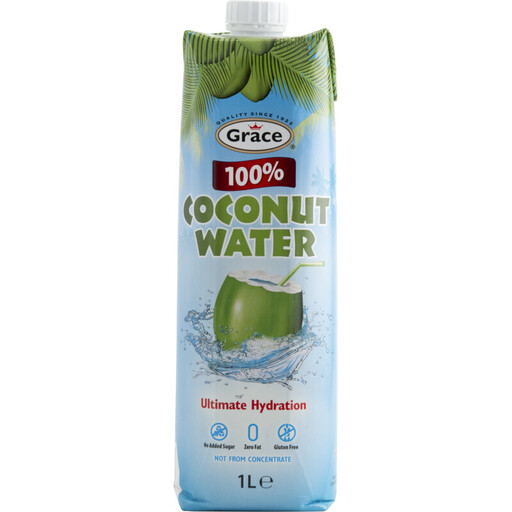
Why it suits this profile: A straightforward 1-litre pack for anyone who wants to try coconut water or regularly drinks it at home.
The product information lists coconut water as the ingredient and no added sugar. The nutritional information lists 5 grams of sugars per 100 ml.
1 litre, 22 kcal per 100 ml according to the product information, and suitable for serving chilled.
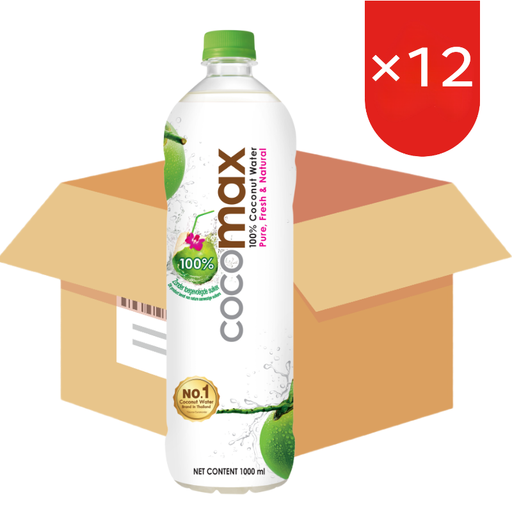
Why it suits this profile: For households that regularly drink coconut water and want to stock up on 12 litres.
The description states 100% coconut water and no added sugar. This makes the composition clearer than that of a coconut drink containing fruit juice or sugar.
12 1-litre packs, 21 kcal per 100 ml according to the product information, and suitable for smoothies or mixed drinks.
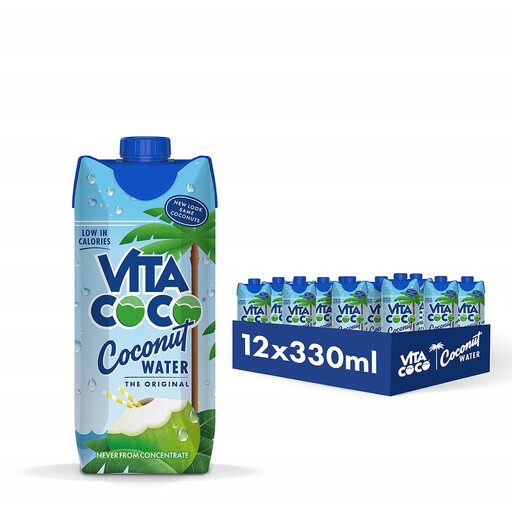
Why it suits this profile: The small portions are practical for taking with you, keeping at the office or drinking after a workout.
The product information clearly states 99% coconut water and a small amount of fructose. So you know this is not 100% coconut water without added sugar.
12 individual 330 ml packs, 18 kcal per serving according to the product information, and best enjoyed chilled.
We have compiled a complete, up-to-date list of products that fully meet these strict selection criteria and the applicable European safety regulations.
Serve coconut water chilled or over ice. If stated on the label, gently shake the pack before opening. The drink combines well with banana, pineapple, mango or berries in smoothies. If you drink coconut water after exercise, check the sugar and salt levels beforehand and adjust the amount to suit your own diet.
Store unopened UHT packs in a cool, dry place according to the label. Once opened, they should be kept in the fridge. You may wish to note the opening date on the pack, especially when several family members are drinking from the same one.
No. Pure coconut water naturally contains sugars. “No added sugar” means that no extra sugar has been added according to the ingredient list. Always compare the nutritional information per 100 ml.
Coconut water can be a refreshing drink after exercise and naturally contains minerals. According to some brands’ own research or product information, it is also associated with electrolytes. This does not mean that every product has the same composition or is suitable for every sporting performance. Check the label and choose a drink that matches the duration and intensity of your exercise.
This varies by product. Several of the supplied variants state that the pack should be refrigerated and consumed within approximately 72 hours or three days. Always follow the storage advice on the packaging and check for any unusual smell, taste or damage to the pack.
