
Vandaag of morgen in huis

Kwaliteit gegarandeerd

Welkomstaanbiedingen ontgrendelen: GRATIS bezorging | Tot 80% korting | Gratis 30 dagen JoyPlus-proefperiode
Download de app
The love for the taste of coconut is widespread, from traditional coconut macaroons with coffee to surprising Asian coconut snacks. But finding a truly great coconut snack can be trickier than it seems. The packaging might promise a tropical experience, but the contents can sometimes be a letdown.
Before you fill your shopping cart, it's wise to consider a few common pitfalls. This will help you avoid spending money on snacks that don't meet your expectations.
coconut treat to quickly become stale and tough.You don't need to be an ingredient expert to make a good choice. By paying attention to a few specific details, you can much better assess a product's quality.
This is perhaps the most important indicator of an authentic taste. Check the ingredients list for the percentage of coconut. A product with 10% or more coconut (like shredded coconut or coconut cream) generally offers a richer and more natural flavour than a product where coconut is only listed as a 'flavouring'. Products like pure coconut chips can even contain more than 90% coconut.
The world of coconut-flavoured snacks is diverse. Think about what you're in the mood for:
coconut macaroons to the crunchy bite of a Verkade Nizza.coconut chocolate, making for a more filling snack.A quick look at the nutrition facts and ingredients list is always helpful. Is sugar or glucose syrup at the top of the list? Then you can expect a very sweet snack. A shorter ingredients list often indicates a product that stays closer to its basic ingredients.
To help you get started, we've highlighted a few popular choices that suit different preferences.
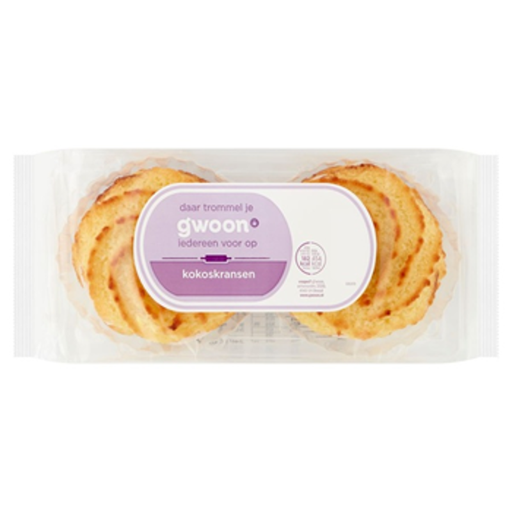
Why This Fits Their Persona: For those who love the familiar, soft, and slightly chewy texture of a classic Dutch coconut cookie. Ideal with coffee or tea, without any unexpected flavours or textures.
This product bypasses the 'artificial coconut' pitfall. With coconut as the main ingredient (31%), you get an authentic taste and texture, not a vague hint of flavouring.
High coconut content of 31% for a full, recognisable flavour. The texture is soft and chewy, exactly as you'd expect from a traditional coconut macaroon.
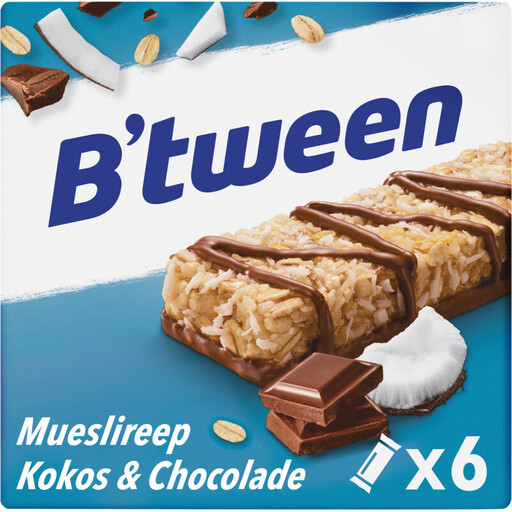
Why This Fits Their Persona: Perfect for anyone looking for an easy and filling coconut snack for on the go, at the office, or in a lunchbox. No fuss with crumbs or keeping a large package fresh.
This product tackles the 'packaging trap'. The bars are individually wrapped, keeping them fresh and easy to carry. You know exactly what you're getting.
Convenient portion packs. The combination of grains, milk chocolate, and 13% coconut flakes provides a firm bite and a balanced flavour.
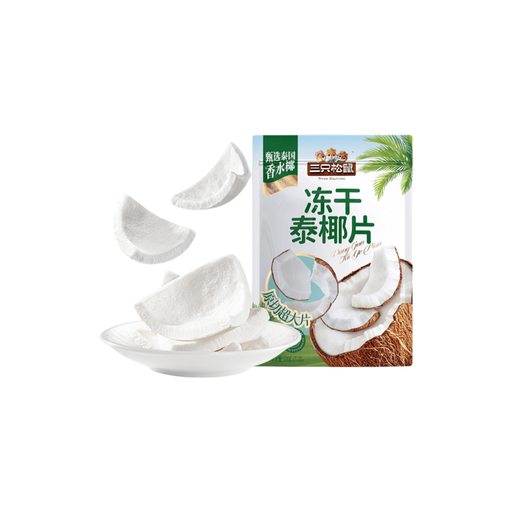
Why This Fits Their Persona: For those who want to experience the pure, unadulterated taste of coconut. These light, crispy flakes are a world away from heavy cookies and offer an intense, tropical flavour. Great as a snack, but also as a topping for yoghurt or desserts.
This product is the antithesis of the 'artificial coconut' pitfall. It consists of 97% coconut. The freeze-drying technique ensures a consistently crispy texture, thus avoiding any texture disappointment.
Extremely high coconut content of 97%. The freeze-drying technology preserves the natural flavour and nutrients. It's a light, non-fried snack with a low sugar content.
We've compiled a complete, up-to-date list of products that meet these selection criteria.
Shredded coconut is finely ground and is often incorporated into the dough or filling of coconut cookies and bars, providing a soft, chewy texture. Coconut flakes or coconut chips are larger, thinner pieces of coconut. They are often toasted and used as a topping or as a standalone snack, and have a crispy texture.
Most coconut snacks are best stored in a cool, dry place, away from direct sunlight. For opened packages that are not resealable, it is advisable to transfer the contents to an airtight container or bag. This prevents the snacks from becoming tough or stale.
Yes, there are often clear differences. Dutch coconut products like coconut macaroons are typically sweet and have a soft or brittle texture. Asian coconut snacks, such as Vietnamese coconut crackers or Thai sticky rice cakes, often combine coconut with other ingredients like rice flour or bean paste. The taste is sometimes less sweet, and the texture can range from crispy to sticky and chewy.
