
Vandaag of morgen in huis

Kwaliteit gegarandeerd

Welkomstaanbiedingen ontgrendelen: GRATIS bezorging | Tot 80% korting | Gratis 30 dagen JoyPlus-proefperiode
Download de app
Coconut products may seem easy to compare at first glance. However, differences in ingredients, fat content, added sugar and pack size can have a significant impact on the results in your kitchen or your purchasing costs. For example, a coconut drink with sugar is not the same as 100% coconut water, while coconut cream produces a different result from coconut milk.
For households in the Netherlands, vegans, people following a lactose-free diet, and businesses in hospitality or catering, making the right choice mainly comes down to reading labels carefully. Below, you’ll find the key pitfalls, product specifications and practical recommendations.
Always check the ingredients list. According to the product information, Grace 100% Coconut Water contains coconut water as its only ingredient. Other varieties may contain cane sugar, for example. Bamboo Tree Coconut Water consists of 98.5% coconut water and cane sugar, while DOUBLE PANDA coconut water also combines coconut water with cane sugar.
This difference affects the taste, nutritional values and suitability for recipes. So, if you’re specifically looking for coconut water without added sugar, don’t just look at the front of the packaging.
Coconut milk is generally more liquid and is suitable for curries, soups, desserts and smoothies. Coconut cream usually contains more coconut content, giving it a thicker consistency. According to the product description, KARA Coconut Cream UHT contains 24% fat and is intended for sauces and cocktails, among other uses. AROY-D Coconut Milk Cooking contains 19% fat and is designed for hot preparations.
A lower fat content, such as the 5–7% fat in Green Life Coconut Milk, may be more suitable for lighter sauces, smoothies or larger quantities. It is not automatically a direct substitute for coconut cream.
A bulk box of coconut water may be useful for a café, restaurant, office or catering business. For home use, however, twelve one-litre cartons may be impractical if the product has a limited shelf life after opening or you don’t have enough storage space.
Therefore, check:
Ingredients are listed in descending order by quantity. For 100% coconut water, coconut water should be the only ingredient listed. For example, Grace 100% Coconut Water lists coconut water exclusively and, according to the product information, contains 5 grams of carbohydrates and 5 grams of sugars per 100 millilitres. According to the label, these sugars occur naturally.
Sunlee Coconut Juice with Pulp lists coconut water, water, sugar and young coconut fibres. This makes it a different choice from a pure coconut water product, but it may be just right if you’re looking for a sweeter drink with pulp.
For coconut milk and coconut cream, the coconut content and fat content reveal a great deal about the texture and intended use. According to the product specification, Aroy-D Original Coconut Milk 1L contains 70% coconut extract, water and polysorbate 60 as an emulsifier. The nutritional information states that it contains 19 grams of fat per 100 millilitres.
According to the product information, Bamboo Tree Coconut Cream contains 88% coconut extract and 21 grams of fat per 100 grams. KARA Coconut Cream lists 99.9% fresh coconut cream, alongside stabilisers. With KARA, also check the allergen information: the product information lists milk. So, if you’re looking for vegan coconut products, always check the current packaging.
According to the product information, unopened UHT coconut milk and coconut cream can generally be stored outside the fridge in a cool, dry place. After opening, the product usually needs to be refrigerated. The exact period varies by brand and is stated on the packaging.
For coconut oil, it’s important to know that it may be solid at room temperature and become liquid at higher temperatures. BIO+ Organic Coconut Oil comes in a 500-millilitre glass jar. According to the product information, the product consists of coconut oil of organic origin. When buying organic products, also check the certification mark and the current labelling on the jar.
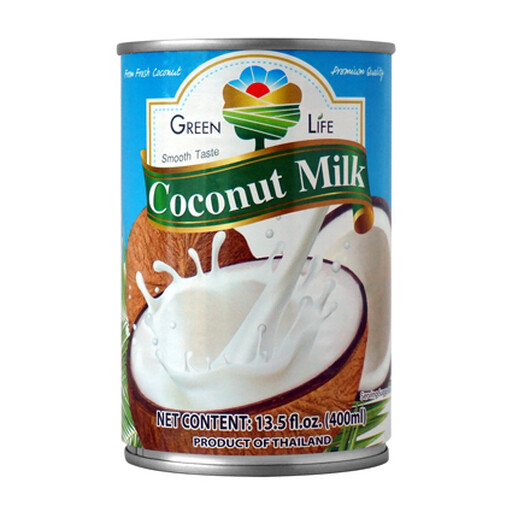
Why it suits this profile: The 400-millilitre pack is a manageable size if you only occasionally make curry, soup, desserts or smoothies.
The 5–7% fat content is clearly stated in the product name. This makes it easier to distinguish from a richer coconut cream.
400 ml, 5–7% fat, vegan according to the product information, and suitable for cooking and baking.
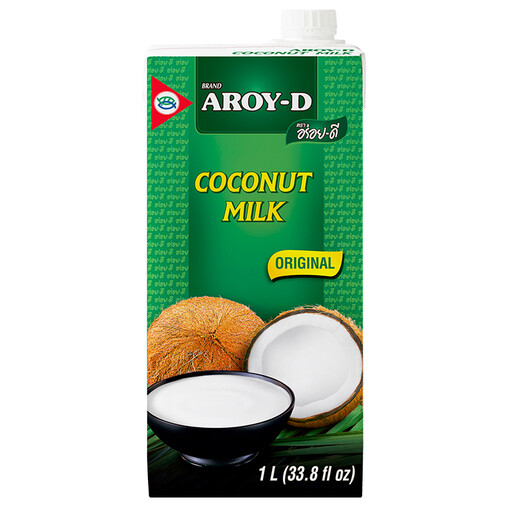
Why it suits this profile: The one-litre pack is ideal for home cooks who regularly prepare Asian dishes, desserts or coconut milk for curry.
The product specification states 70% coconut extract and 19 grams of fat per 100 millilitres. This tells you exactly what you’re buying, rather than relying solely on the word “creamy”.
1 litre, vegan according to the product information, and suitable for sweet and savoury recipes.
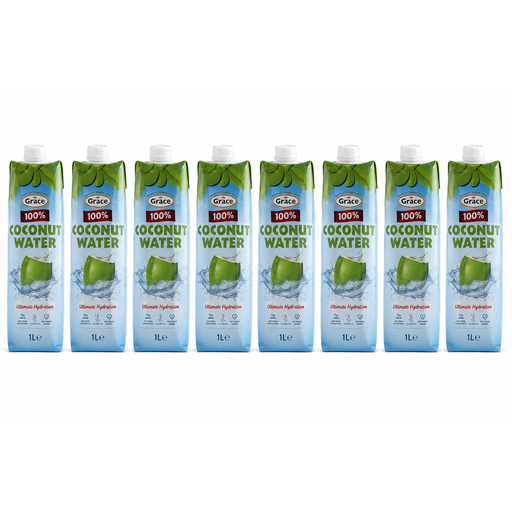
Why it suits this profile: A multipack of eight one-litre cartons is practical for offices, cafés, sports venues and households where coconut water is used regularly.
The product information lists coconut water as the ingredient, with no added sugar or pulp. Check the current packaging before use.
8 × 1 litre, 22 kcal per 100 millilitres according to the label, and best served chilled.
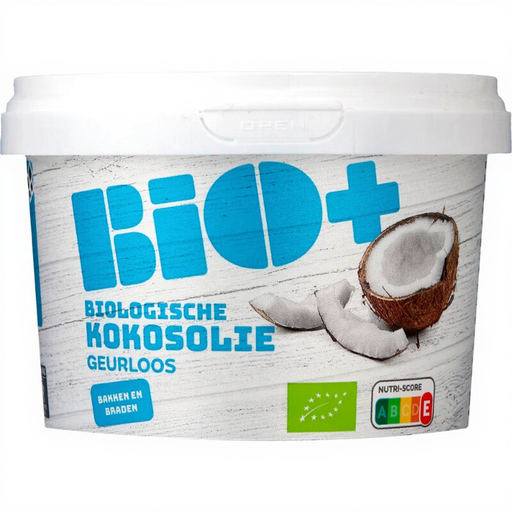
Why it suits this profile: A 500-millilitre jar is suitable for baking, frying and recipes that use coconut oil as an ingredient.
The product information lists a single ingredient: coconut oil of organic origin. This makes the composition easy to check.
500 ml, glass jar and, according to the product description, suitable for baking, deep-frying and frying.
We’ve put together a complete, up-to-date list of products that fully meet these strict selection criteria and the applicable European safety regulations.
Coconut cream generally contains more coconut content and fat than coconut milk, giving it a thicker consistency. Use coconut milk for curries, soups and drinks when you want a more liquid result. Choose coconut cream for concentrated sauces, desserts or cocktails. Always check the fat content on the packaging.
This varies by product. According to the product information, Grace states that opened coconut water should be kept refrigerated and used within two days. Other products specify a period of around three days. Always follow the instructions on the current packaging and keep the product sealed in the fridge.
Many coconut water, coconut milk and coconut oil products are suitable for vegan or lactose-free recipes based on their ingredients. This does not automatically apply to every product. For example, KARA Coconut Cream lists milk among its allergens. Always read the ingredients list and allergen information before buying.
