
Vandaag of morgen in huis

Kwaliteit gegarandeerd

Welkomstaanbiedingen ontgrendelen: GRATIS bezorging | Tot 80% korting | Gratis 30 dagen JoyPlus-proefperiode
Download de app
Anyone looking to buy coconut milk will quickly come across a range of similar-looking packages with different fat percentages, volumes and product claims. A can or carton that seems ideal for curry may be too thin for a dessert. Likewise, a multipack can be inconvenient if you only use coconut milk occasionally.
This practical buying guide compares coconut milk based on verifiable information: fat content, volume, ingredients, packaging and intended use. That makes it easier to choose the right option for Thai dishes, vegan recipes, desserts or stocking up for a large household.
A label such as 18% fat coconut milk or 20–22% fat indicates the fat content, but not necessarily the overall composition. Also check the proportion of coconut extract and whether water, stabilisers or emulsifiers have been added.
A higher fat content generally creates a richer texture in sauces. That can be useful for curries or soup, while a lighter variant may blend more easily into smoothies or coffee.
Coconut milk is naturally plant-based, but always check the ingredients list and allergen information. According to the product information, the recommended variants below are suitable for vegans and contain none of the 14 major EU allergens. Check the packaging again when purchasing, as recipes and labelling may change.
Also pay attention to the difference between coconut milk and coconut water. Coconut water is a drinking product with a different flavour and composition. It is not a like-for-like substitute for coconut milk in a curry or dessert.
A 1-litre coconut milk carton or a box containing multiple cartons can be useful for meal prep, catering or a large family. Once opened, the product should generally be refrigerated and used within the stated period, according to the packaging. For occasional use, choosing 400 or 500 ml can help reduce waste.
So do not compare only the price per package. Also consider the price per 100 ml, shelf life and the quantity you are realistically going to use.
Use the fat content as your first practical filter:
Nutritional values vary by brand. Aroy-D Original Coconut Milk 1L, for example, lists 19 grams of fat per 100 grams. Sunlee Coconut Milk 20–22% lists 20.4 grams of fat per 100 grams. Always check the current nutrition table on the product.
Check whether the ingredients list starts with coconut extract and water. According to the product information, Aroy-D 1L contains 70% coconut extract, water and polysorbate 60 (E435). Sunlee lists coconut extract, water, xanthan gum (E415) and E435.
A short ingredients list makes comparisons easier, but it does not tell you everything about flavour or texture. Stabilisation can help keep the product homogeneous. Stir or shake the coconut milk as directed before use.
A Tetra Pak carton is lightweight, easy to stack and convenient to pour. According to the product description, the 500 ml Coconut Milk Tetra Pak contains 18% fat and is suitable for curry, soup, smoothies and desserts, among other uses. A 1-litre carton is more convenient if you cook with coconut milk regularly.
Before ordering, check:
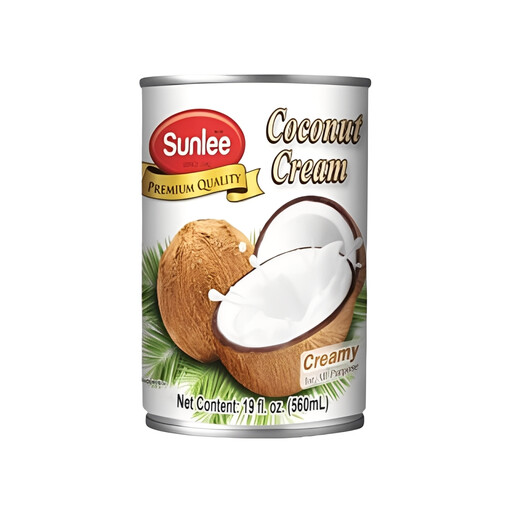
Why it suits this profile: The 400 ml volume is manageable for anyone learning to prepare Thai recipes at home and who does not regularly need large quantities. According to the product information, this Thai coconut milk comes from Thailand.
The smaller package reduces the risk of an opened carton going unused. The stated fat content also makes it easy to compare with lighter variants.
400 ml volume, 20–22% coconut extract according to the product information, and suitable for curries, desserts, coffee and baking.
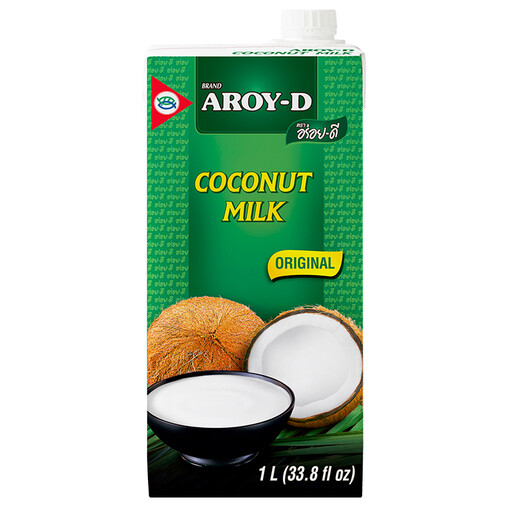
Why it suits this profile: A 1-litre carton is ideal for home cooks who regularly prepare curry, Tom Kha, soup or desserts. According to the product information, it is suitable for vegetarians and vegans.
The product listing specifies 70% coconut extract and clearly displays the ingredients. This makes it easy to compare the composition with other 1-litre cartons.
1-litre volume and, according to the stated nutritional values, 19 grams of fat per 100 grams. Suitable for both sweet and savoury recipes.
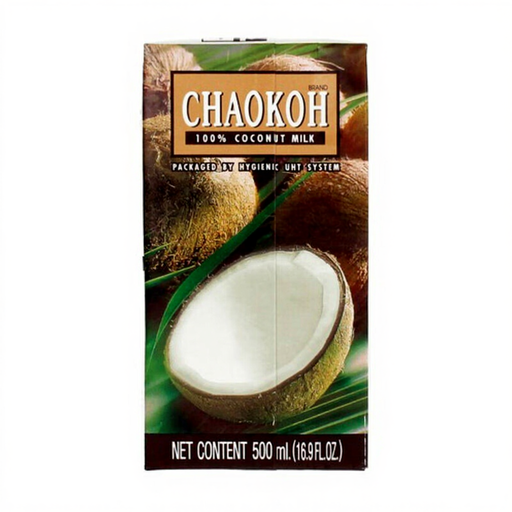
Why it suits this profile: According to the product description, this dairy-free coconut milk is suitable for vegans and people avoiding lactose. The 500 ml carton works well for regular, but not daily, use.
The packaging explicitly states 18% fat and includes an ingredients list. If you have allergies, always check the current label.
500 ml Tetra Pak carton, 18 grams of fat per 100 ml, and suitable for curry, soup, smoothies and desserts.
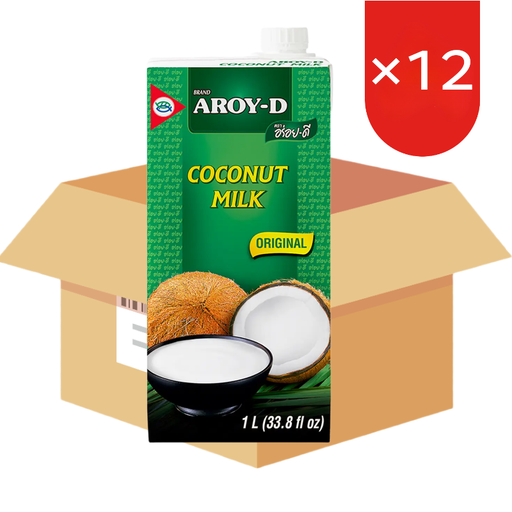
Why it suits this profile: A box containing 12 one-litre cartons is designed for intensive use, such as in a large household, catering operation or professional kitchen.
The quantity is clear upfront: 12 one-litre packages. This lets you calculate your stock level and price per litre immediately.
Bulk pack containing 12 x 1 litre and a cardboard outer pack according to the product information. Check your storage space and shelf life before ordering.
Explore our current range and compare volume, packaging and intended use before ordering.
No. Coconut cream generally contains a higher proportion of coconut and has a thicker texture, although the exact composition varies by brand. Check the product name, fat content and ingredients list.
Follow the instructions on the packaging. The product information for the variants mentioned states that the carton should be sealed securely after opening, refrigerated and used within the stated period. If recommended on the packaging, transfer any leftovers to a clean, airtight container.
That depends on the recipe and the number of servings. A typical pan of curry often uses one 400 ml package. For a larger batch or a milder sauce, a 1-litre carton may be more convenient. Check the consistency while cooking and add the coconut milk gradually.
