
Same-day & Next-day Delivery

Quality Guaranteed

Unlock Your Welcome Offers: FREE Delivery | Up to 80% OFF | Free 30-day JoyPlus trial
Download the APP
Anyone looking to buy coconut milk and coconut water will soon come across dozens of cans, cartons, bottles and bulk packs. Yet these products are not interchangeable. Coconut milk is intended for curries, soups and desserts, while coconut water or coconut drinks are usually consumed straight away.
The biggest purchasing mistakes often stem from three simple mix-ups:
Coconut milk is made from coconut flesh or coconut extract and water. It is creamy and used as a base for Thai coconut milk curries, Tom Kha, soups, smoothies and baked goods. The fat content affects its thickness and mouthfeel.
Coconut water is the liquid found inside young coconuts. It is usually light and clear and served chilled as a drink. A product containing coconut water, water, sugar and coconut flesh is often sold as coconut juice or a coconut drink. It can be delicious, but it is different from 100% coconut water.
Also look out for the term “coconut milk for desserts”. Some varieties have a milder flavour or lower fat content and work well in puddings, cakes and fruit salads. For a rich curry, a higher percentage of coconut extract may be preferable.
Do not just look at the front of the packaging. Check:
Aroy-D Original Coconut Milk 1L lists 70% coconut extract, water and polysorbate 60 (E435). Sunlee Coconut Milk 20-22% 400 ml lists 20-22% coconut flesh extract, water, xanthan gum and E435. These formulations provide a clearer picture than terms such as “rich” or “authentic”.
The same applies to coconut water. According to the product information, Grace 100% Coconut Water consists of coconut water, with no added sugar or coconut flesh. According to the product description, Bamboo Tree contains 98.5% coconut water and cane sugar. This difference is shown in the ingredients list and nutrition table.
The fat content helps you determine how to use the product, but it does not, by itself, tell you which variety to choose.
Green Life Coconut Milk lists 5-7% fat and is described as suitable for curries, soups, desserts, smoothies and baking. Mae Ploy Blue Coconut Milk UHT 1L lists 19 grams of fat per 100 grams. Check your recipe to see whether the desired consistency comes from coconut milk, coconut cream or a diluted variety.
A can of coconut milk containing 400 ml is suitable if you only cook occasionally and do not want to store leftovers. A carton of coconut milk containing 500 ml or 1 litre is convenient for regular use and easy to pour. UHT packaging can be stored outside the fridge before opening, provided you follow the storage instructions on the label.
After opening, coconut milk should generally be stored in the fridge. Use the product within the period stated on the packaging and discard a carton or can if it is damaged. The same applies to coconut water: refrigerate after opening and use within the specified period.
For offices, cafés and catering, a multipack is often more practical. In that case, consider the total volume, not just the price per box. A box containing 12 cartons of 1 litre takes up more storage space, but avoids having to order small packs regularly.
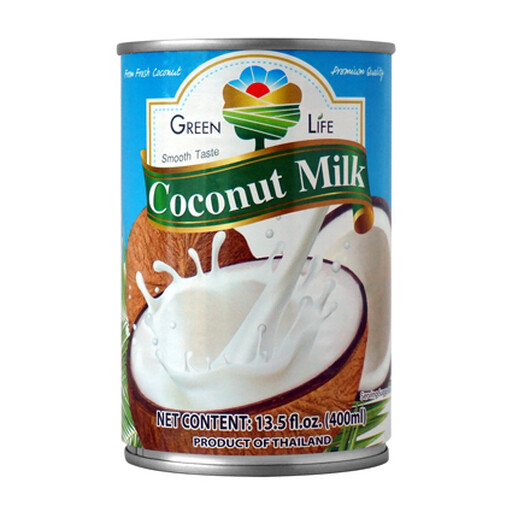
Why it suits this profile: The 400 ml size is ideal for making your first curry, soup or dessert without having to open a one-litre carton.
The 5-7% fat content and ingredients list make it clear that this is not coconut water or a sweetened coconut drink.
400 ml, 5-7% fat, vegan according to the product information, and suitable for curries, desserts, smoothies and baking.
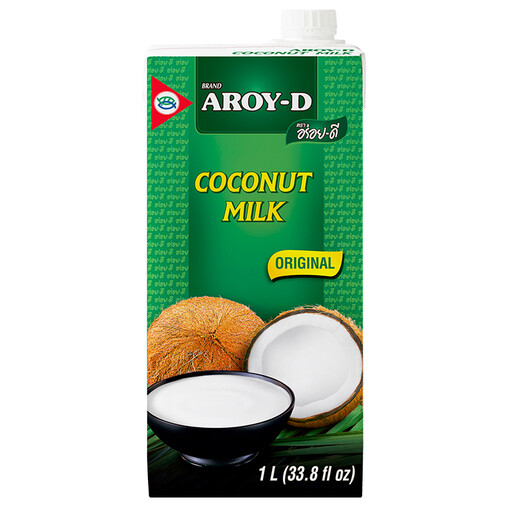
Why it suits this profile: Home cooks who prepare Thai dishes regularly get a larger pack containing 70% coconut extract, according to the product information.
The amount of coconut extract is stated, so you do not have to rely solely on a general claim about creaminess.
1 litre, vegan according to the product information, and suitable for curries, Tom Kha, desserts and baked goods.
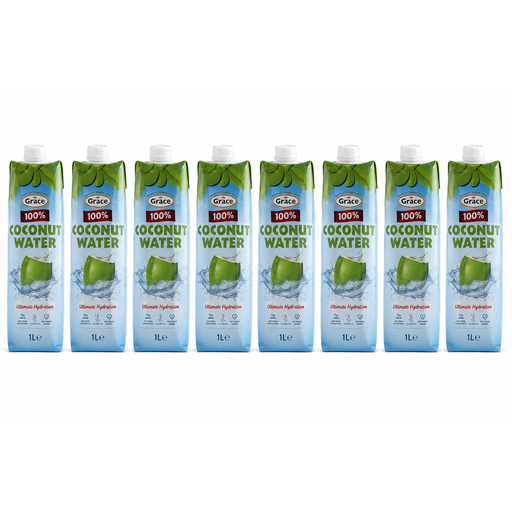
Why it suits this profile: A household, office or hospitality kitchen that serves coconut water regularly can buy eight cartons at a time.
The product information lists coconut water as the ingredient, with no added sugar or coconut flesh. Check the current packaging when it arrives.
8 x 1 litre, 22 kcal per 100 grams according to the product information, and suitable for serving chilled.
We have put together a complete, up-to-date list of products that fully meet these strict selection criteria and the applicable European safety regulations.
No. Coconut water is the liquid from inside the coconut. A coconut drink or coconut juice may contain additional water, sugar, cane sugar or coconut flesh. Therefore, check the ingredients list before buying coconut water.
This varies by brand and packaging. Store opened coconut milk in the fridge, seal the carton or can securely and follow the storage period stated on the label. Do not use a product if its packaging is bulging, leaking or damaged.
For a creamy curry, many home cooks choose a variety with a higher fat content, such as 18-22%. A lighter coconut milk with 5-7% fat may be better suited to soup, smoothies or desserts. Also check the coconut content and adjust the quantity to suit the recipe.
