
Vandaag of morgen in huis

Kwaliteit gegarandeerd

Welkomstaanbiedingen ontgrendelen: GRATIS bezorging | Tot 80% korting | Gratis 30 dagen JoyPlus-proefperiode
Download de app
Coconut milk is handy for Thai curry, soup, smoothies, desserts and baking. Yet many packs look more alike than they really are. Choose the wrong one and you could end up with a watery sauce, waste after opening or a product that doesn’t suit your diet.
When buying coconut milk, watch out for these three common pitfalls:
For coconut milk used in curry, the fat percentage is a useful way to compare products. The range includes options with around 17 to 19 grams of fat per 100 grams or 100 millilitres. A higher fat percentage often gives a richer mouthfeel, but also means the product contains more energy.
A richer option can work well in desserts, curries and creamy soups. For smoothies or lighter dishes, a less rich blend may be a better fit. Also check whether the label lists coconut extract, water and any stabilisers.
For example:
A short ingredients list makes it easier to compare products. Some contain only coconut and water. Others include a stabiliser or emulsifier to help prevent curdling and separation.
According to the product description, Aroy-D Coconut Milk 400 ml contains coconut extract and water, with no stabilisers. Go-Tan lists guar gum as an emulsifier. Mae Ploy Blue Coconut Milk UHT lists a stabiliser with the code E466.
None of these options is automatically right for every use. A stabiliser can be useful if you want an even texture. If you’re looking for a product with as few additives as possible, you can choose one by checking the ingredients list.
The most common sizes are 400 ml coconut milk, 500 ml and 1 litre. Smaller packs of around 165 ml are practical for a single sauce, dessert or small portion of soup.
Always check the label for storage instructions after opening. UHT coconut milk can be stored outside the fridge while unopened if the packaging says so. Once opened, it should usually be kept in the fridge.
Coconut milk is naturally plant-based and is often used as vegan or lactose-free coconut milk. That doesn’t mean you can skip checking the packaging. Always check the current ingredients list and allergen information, especially for products with multiple ingredients.
The Aroy-D and Mae Ploy products in this selection are described in the product information as suitable for vegan cooking. For Go-Tan, the product information says it contains none of the 14 main EU allergens. However, coconut may be listed separately as an allergen. If you have an allergy or intolerance, it’s a good idea to check the label on the pack you receive.
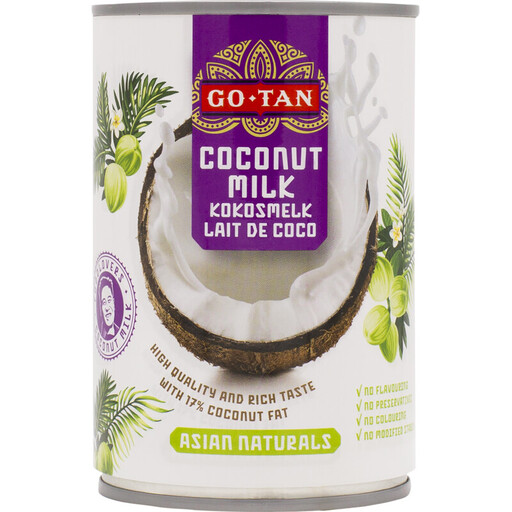
Why it suits this profile: The size is ideal for trying your first curry or dessert without having to open a litre. The product information lists 17 grams of fat per 100 grams.
The 400 ml pack helps reduce the chance of having unused leftovers. The ingredients list includes coconut milk, water and guar gum.
400 ml; 17 g of fat per 100 g; according to the product information, contains no artificial colourings, flavourings or preservatives.
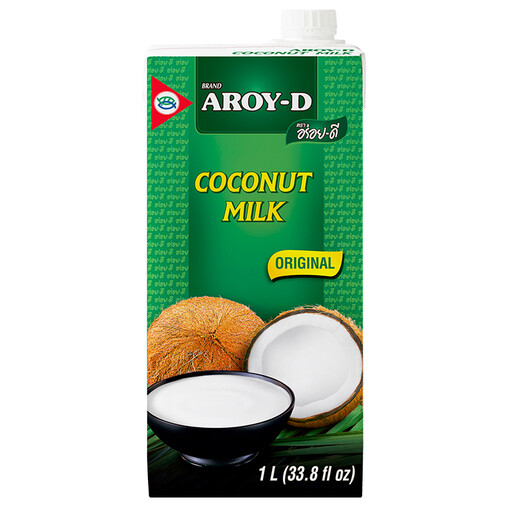
Why it suits this profile: The 1-litre pack is a good fit for home cooks who regularly use Thai coconut milk in curries, soups, desserts or baking.
The product information lists 70% coconut extract, so you can compare the coconut content at a glance.
1 litre; 19 g of fat per 100 g; listed as vegetarian and vegan in the product information.
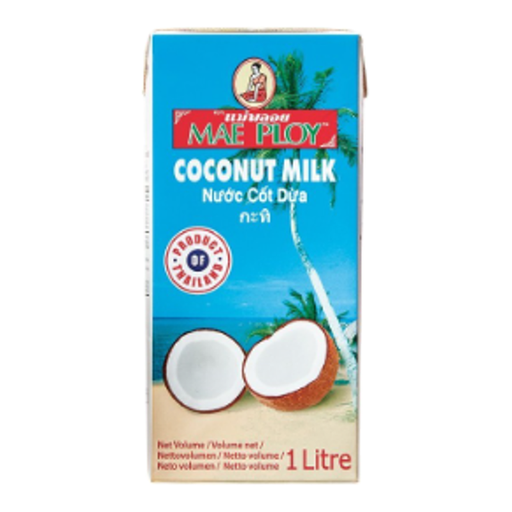
Why it suits this profile: The 1-litre UHT pack is practical for kitchens that use coconut milk regularly and want to keep unopened stock in the cupboard.
According to the product description, UHT processing means an unopened litre doesn’t need to be kept in the fridge.
1 litre; 19 g of fat per 100 g; according to the product information, suitable for curries, soups, desserts, smoothies and baking.
Why it suits this profile: This small pack is ideal for a single dish, smoothie or dessert when you don’t need a full 400 ml.
The portion-sized pack reduces the chance of leftovers being left unused for too long after opening.
165 ml; according to the product information, contains no artificial colourings, flavourings or preservatives; suitable for vegan cooking.
We’ve put together a complete, up-to-date list of products that meet these strict selection criteria and the applicable European safety regulations.
No. Coconut milk is usually thicker and contains more coconut extract and fat. Coconut drink is generally diluted and intended as a drink or a plant-based alternative in, for example, coffee and breakfast cereal. So check the label and nutritional information before buying coconut milk for a curry.
Store opened coconut milk according to the instructions on the packaging. This usually means keeping it refrigerated and tightly sealed. Use it within the stated period. A small 165 ml or 400 ml pack can help reduce waste if you only need a little.
Choose an option that clearly states its coconut extract content and has a fat percentage that suits your recipe. For a rich Thai curry, options with around 18 to 19 grams of fat per 100 grams are a practical choice. Add the coconut milk gradually and follow the recipe instructions.
