A creamy Thai curry, a light dessert, or a flavourful soup—the right coconut milk can make or break a dish. But when you're browsing the aisle, you're faced with a choice: full-fat, light, or cream? The wrong one can lead to a watery sauce or a curdled disaster. This guide will help you select the perfect option for your recipe based on key product features.
Buyer's Guide: How to Select Coconut Milk
The best coconut milk for you depends on its intended use. Pay attention to the following parameters to make an informed decision.
1. Fat Percentage: The Defining Factor
The fat percentage is the most important indicator of the coconut milk's texture and richness. This percentage is determined by the ratio of coconut extract to water.
- Coconut Cream (approx. 20-24% fat): This is the thickest and richest variety, containing the highest percentage of coconut extract. Coconut cream is ideal for creating thick, creamy sauces, desserts like panna cotta, or a whippable topping. It's an excellent vegan cooking cream.
- Full-Fat Coconut Milk (approx. 15-19% fat): This is the standard for most recipes, especially for coconut milk for curry and soups. It offers a great balance between creaminess and fluidity. This variety is often referred to as Asian coconut milk for authentic dishes.
- Light Coconut Milk (approx. 5-9% fat): This version contains more water, resulting in a lower fat percentage and fewer calories. Light coconut milk is thinner and less creamy. It is suitable for lighter soups, smoothies, or dishes where a more subtle coconut flavour is desired.
2. Additives: Stabilisers and Emulsifiers
Many types of canned or cartoned coconut milk contain additives to improve texture and prevent separation. These are common ingredients:
- Stabilisers (e.g., E412 Guar Gum, E466): These ensure a homogenous, smooth texture and prevent the fat and water from separating in the packaging.
- Emulsifiers (e.g., E435): These help to bind fat and water, contributing to a stable, creamy consistency, especially after opening.
Products without these additives often have a purer flavour but may separate into a thick layer of cream on top with watery coconut water underneath. This is a natural process and not a sign of spoilage. Simply stir or shake well before use.
3. Packaging: Can vs. Carton (UHT)
Coconut milk is typically available in two types of packaging:
- Can: The traditional packaging. The contents can sometimes separate into a thick cream layer and a watery part.
- Carton (UHT): This coconut milk is ultra-heat treated (Ultra High Temperature), which ensures a longer shelf life and a more homogenous structure.
The choice is mainly a matter of personal preference and how you plan to store the coconut milk.
Our Top Picks for 2026
Below is a selection of coconut milk products, analysed based on their specifications and suitability for various applications.
1. BAMBOO TREE Coconut Cream 20-22% 400ml
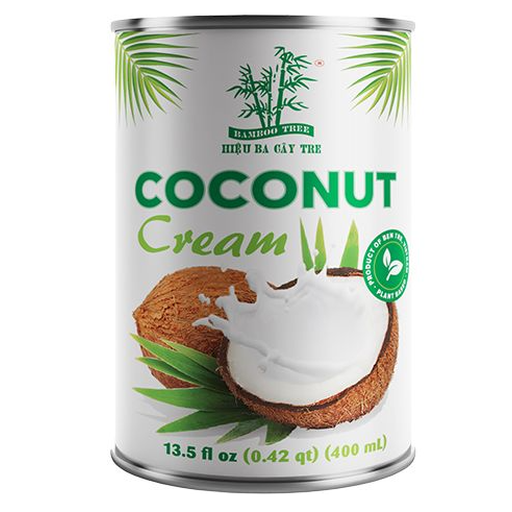
- Why we chose it: With a 21% fat content and a high coconut extract of 88%, this is a true coconut cream. Its texture is exceptionally thick and rich, making it a versatile substitute for dairy cream.
- Benefits: Very creamy and full-bodied texture. Contains no added stabilisers or emulsifiers—only coconut extract and water. The high fat concentration makes it suitable for whipping (after chilling).
- Best for: Cooks looking for maximum creaminess. Ideal for enriching sauces, making ice cream, cocktails, or as a luxurious lactose-free cooking cream in desserts.
2. KARA Coconut Milk Classic UHT 17% Fat 400ml
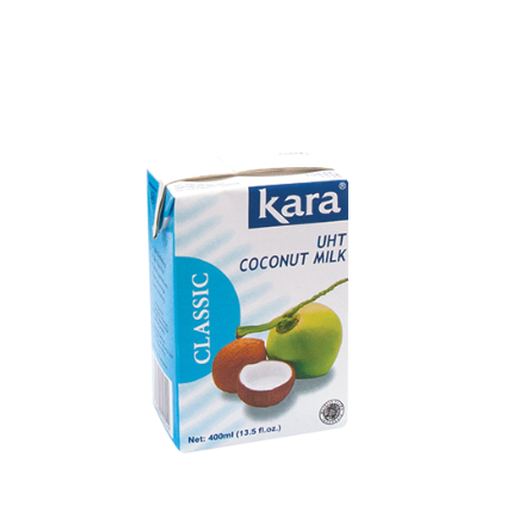
- Why we chose it: This is a classic, full-fat coconut milk with a 17% fat content. The UHT treatment and the addition of stabilisers (E466) and an emulsifier (E435) ensure a consistent, smooth texture that resists curdling.
- Benefits: Reliable and homogenous structure, ready to use straight from the carton without mixing. The carton packaging is practical for storage. A great all-rounder for cooking with coconut milk.
- Best for: An excellent choice for home cooks who need a reliable coconut milk for curries, soups, and sauces, where a creamy and stable result is desired.
3. Green Life Canned Coconut Milk (5-7%) 400ml
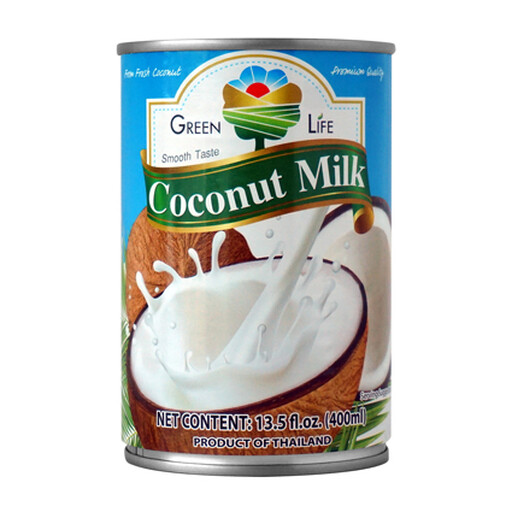
- Why we chose it: This is a typical light coconut milk with a low fat content of 5-7%. The product has a thinner texture and a milder flavour, making it suitable for dishes where a lighter consistency is preferred.
- Benefits: Lower in fat and calories than full-fat varieties. The mild coconut flavour is not overpowering. The addition of guar gum (E412) helps maintain a stable, liquid texture.
- Best for: Those who want to prepare a lighter meal or need a liquid base for smoothies, light soups, or marinades. Also a good option for anyone who finds the richness of full-fat coconut milk too intense.
Didn't Find What You Were Looking For? Discover More Options
The world of coconut products is vast. Are you looking for organic options, coconut water, or other specific brands for your recipe? Every cook has different preferences, and every dish requires a slightly different texture.
For a broader overview of available products, browse our full range of vegan coconut products.
Frequently Asked Questions (FAQ)
1. What is the difference between coconut milk and coconut cream? The main difference is the fat percentage, which is directly related to the amount of coconut extract. Coconut cream (approx. 20-24% fat) is the thickest. Full-fat coconut milk (approx. 15-19% fat) is the standard for most dishes. Light coconut milk (approx. 5-9% fat) is the thinnest and contains more water.
2. Can I use coconut milk as a substitute for cooking cream? Yes, coconut milk is an excellent lactose-free or vegan cooking cream. For a result comparable in thickness to dairy cream, it's best to choose coconut cream or a full-fat coconut milk with at least 17% fat content.
3. Why does my coconut milk sometimes curdle when cooking? Curdling can occur when coconut milk is heated too quickly or at too high a temperature, especially in combination with acidic ingredients like lime juice or tomato. To prevent this, add the coconut milk towards the end of the cooking process and heat it gently without bringing it to a rolling boil. Coconut milk with stabilisers is generally less prone to curdling.
Written by: Joybuy Product Recommendation Officer