
Same-day & Next-day Delivery

Quality Guaranteed

Unlock Your Welcome Offers: FREE Delivery | Up to 80% OFF | Free 30-day JoyPlus trial
Download the APP
A tin of coconut milk might seem like a simple choice, but products can vary considerably. The fat content, packaging and ingredients can all affect whether your curry turns out creamy, your dessert sets properly or you’re left with lots of product after opening.
When buying coconut milk, there are three common pitfalls to watch out for:
According to the brands’ product information, storage advice also varies by packaging. Always check the label and the product page before you order.
Fat content is a useful way to compare products. For coconut milk used in curries, Thai soups and rich sauces, a variety with around 17-22% fat is a good choice. These products generally have a fuller texture than lighter varieties.
Examples from the range:
A high fat content doesn’t automatically make a product right for every recipe. For smoothies, light soups or baked dishes, a less rich coconut milk may be just right.
Coconut milk is often made from coconut extract and water, but some varieties also contain a stabiliser or emulsifier. These help keep the texture consistent, but may be important if you prefer a shorter ingredients list.
Also check the allergen information. For example, the 250 ml Go-Tan Coconut Milk lists milk as an allergen, while other products state that they don’t contain any of the 14 main EU allergens. So if you’re looking for lactose-free coconut milk, it’s best not to rely on the front of the pack alone.
A product containing coconut milk isn’t automatically suitable for every allergy. Check the current packaging and follow the manufacturer’s usage and allergen information.
The pack size can help you avoid waste:
According to the product information, opened tins should be stored in the fridge. Some products recommend transferring the contents to a non-metallic storage container after opening. Always follow the advice on the packaging.
For a Thai coconut milk curry, the fat content, intensity of flavour and quantity are especially important. A rich texture may be ideal for a dessert, while you might prefer a milder variety for a smoothie. A 1-litre UHT pack is handy for storing unopened at room temperature, but follow the stated refrigeration instructions once opened.
Also be aware of the difference between coconut milk as a cooking ingredient and a ready-to-drink coconut beverage. For example, Cocomax Coconut Milk is sold as a ready-to-drink beverage in 500 ml bottles. It’s intended for a different use from coconut milk for curries or baked dishes.
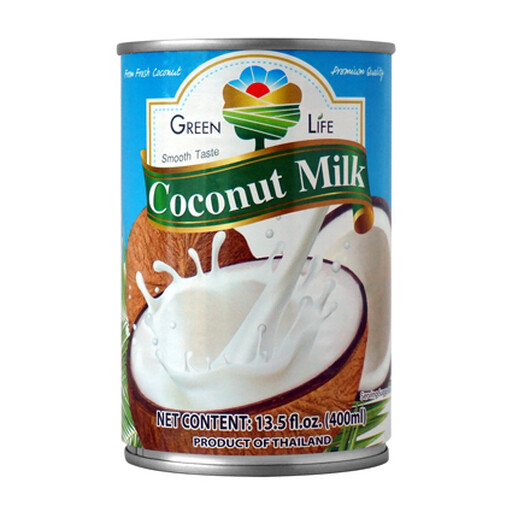
Why it suits this shopper: The 400 ml pack is a manageable size if you occasionally make curry, soup, dessert or smoothies at home. Its lower fat content is well suited to lighter dishes.
It’s smaller than a 1-litre pack, so you’re less likely to be left with a large amount after opening.
400 ml, 5-7% fat, vegan according to the product information, and free from artificial colours or preservatives according to the description.
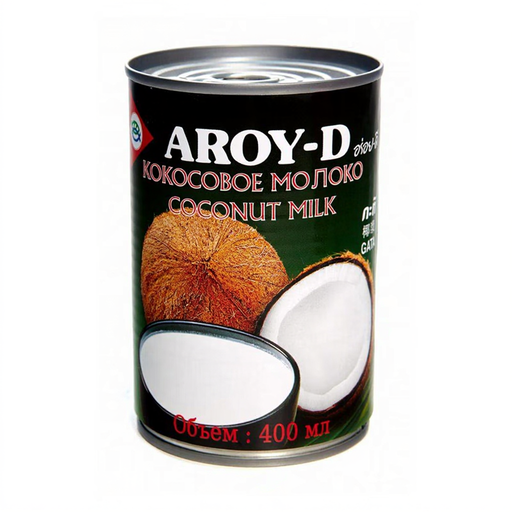
Why it suits this shopper: Made with coconut extract and water, and with a fat content of 19%, it’s a good match for anyone who loves full-bodied curries and creamy sauces.
The fat content is clearly stated, so you don’t have to rely on words such as “creamy” or “premium”.
19% fat, 400 ml, and made with coconut extract and water only, according to the product information.
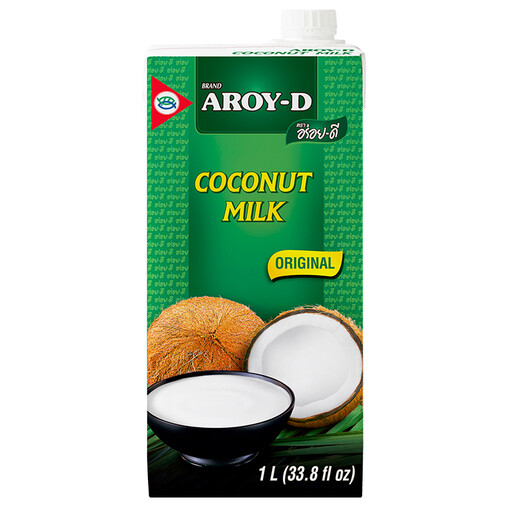
Why it suits this shopper: A 1-litre pack is a good fit for large households, meal prep and food service, where you’re making several dishes.
You won’t need to buy several small tins if you regularly need larger quantities. Just check how long it can be kept after opening.
1 litre, 19 g fat per 100 ml according to the product information, and suitable for both sweet and savoury dishes.
We’ve put together a full, up-to-date list of products that meet these strict selection criteria and current European safety regulations.
Not necessarily. Many products are described as vegan or dairy-free according to their product information, but, for example, Go-Tan Coconut Milk 250 ml lists milk as an allergen. So check the ingredients list and allergen information for each product. Seeing “coconut milk” on the front isn’t a substitute for reading the label.
It depends on the packaging and brand. Keep opened coconut milk in the fridge and follow the storage period on the label. Some tinned varieties come with advice to transfer the contents to a non-metallic container. The fats may solidify in the fridge; stirring or gently heating the coconut milk can help restore a more even texture.
Many home cooks choose a variety with around 17-22% fat for a rich curry, such as Aroy-D 19%, Sunlee 17-19% or Go-Tan with more than 17% fat. For a lighter curry or soup, a variety with 5-7% fat may be enough. Alongside the fat content, compare the ingredients, pack size and portion size you need.
