
Vandaag of morgen in huis

Kwaliteit gegarandeerd

Welkomstaanbiedingen ontgrendelen: GRATIS bezorging | Tot 80% korting | Gratis 30 dagen JoyPlus-proefperiode
Download de app
Want to buy coconut milk, but overwhelmed by the range of tins, cartons and fat percentages? The difference between coconut milk for curry, desserts and smoothies is not just down to the brand. The fat percentage, packaging, ingredients list and serving size also determine whether your purchase is practical for your needs.
A few common pitfalls:
Fat percentage is a practical point of comparison. Products containing around 17 to 22% fat generally provide a rich, full-bodied texture. They are suitable for Thai coconut milk curries, creamy soups, sauces and desserts.
A product containing 5 to 7% fat, such as Green Life Canned Coconut Milk, has a lighter composition. This can be useful if you are looking for a less heavy base for smoothies, soups or light sauces. However, expect a different texture in a curry compared with an 18 or 19% variety.
Check the nutritional table per 100 ml or 100 grams. One pack may list 17 grams of fat, for example, while another states 19 grams. This difference can affect how creamy the result is, but does not by itself determine which option is suitable for every recipe.
Check how much coconut extract the product contains and which stabilisers, thickeners or emulsifiers have been added. A short ingredients list can be easy to understand, but a stabiliser is not necessarily a problem: it can help reduce the separation of coconut fat and water.
Natural separation or solidification can occur with coconut milk. Shake or stir the packaging well before use. Do not use a damaged, leaking or swollen tin.
Want to buy vegan coconut milk? Check the label anyway. Most of the coconut milk products mentioned contain no dairy ingredients, but product information can vary between packs. For Go-Tan 250 ml, for example, the product information states “contains: milk”, while other varieties do not indicate any of the 14 major EU allergens. Always check the current packaging.
A 400 ml tin is suitable for a curry, soup or dessert for several people. For a one-person household or a recipe that only requires a small amount of coconut milk, 250 ml may be more practical.
A UHT pack of 1 litre, such as Mae Ploy Blue Coconut Milk UHT, does not need to be refrigerated unopened according to the product description. This is useful if you want to stock up. Storage conditions change after opening: follow the instructions on the packaging and keep the product refrigerated.
A Tetra Pak is easy to pour, while a tin is often compact to store in the cupboard. When comparing larger packs, also compare the price per litre, not just the price per pack.
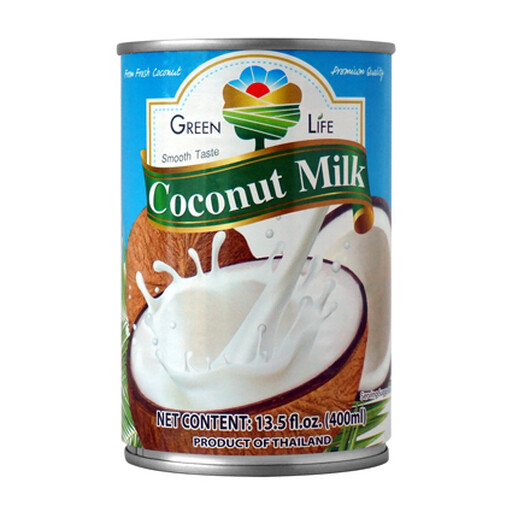
Why it suits this profile: The 400 ml pack is a manageable choice for anyone cooking with coconut milk for the first time and who does not need a large supply.
The 5-7% fat content is clearly stated, so you will not accidentally expect an extremely creamy curry base.
400 ml, 5-7% fat, a mild coconut flavour and, according to the product information, vegan, lactose-free and gluten-free.
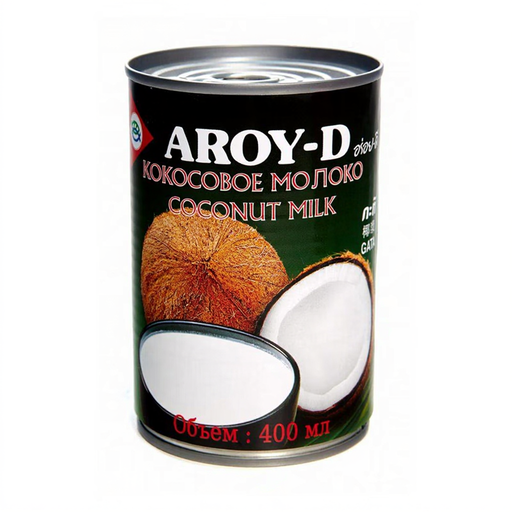
Why it suits this profile: This Thai coconut milk is a good match for home cooks who value a high fat content and a short ingredients list.
The label states 19% fat and lists coconut extract and water as the ingredients. This makes it easy to anticipate how it will perform.
400 ml, 19% fat and, according to the product description, no stabilisers or other added additives.
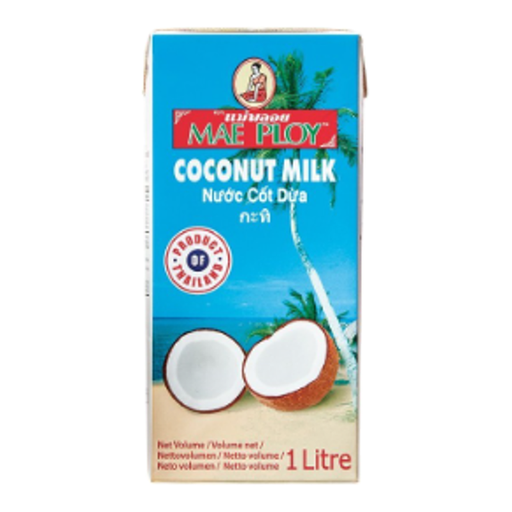
Why it suits this profile: The 1-litre pack is practical for families, meal preppers and fans of curry, soups, desserts and smoothies.
UHT processing and a one-litre pack make stock management easier, but after opening you must follow the storage instructions on the carton.
1 litre, 19% fat and, according to the product description, suitable for vegan and lactose-free dietary choices.
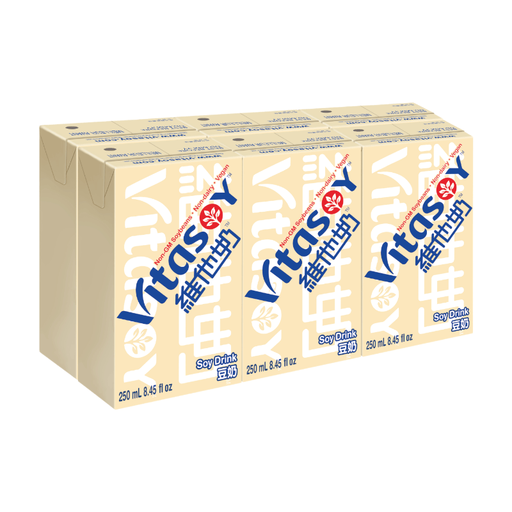
Why it suits this profile: This is not coconut milk, but a ready-to-drink soya beverage for anyone looking for plant-based milk for breakfast, cereal or desserts.
The 250 ml portions prevent you from opening a large pack for just one breakfast or dessert.
Six individual 250 ml packs; according to the product information, made with non-genetically modified soya beans and containing calcium.
Use coconut milk for curry when you want a pronounced coconut flavour and creamy texture. For desserts, both full-fat coconut milk and special varieties containing 17-19% coconut extract can work well. For dessert products, check whether they contain sugar, sulphites or other additives.
Soya milk is a different type of product. An unsweetened variety can be used in batter, porridge or smoothies; sweetened or flavoured varieties are more suitable for drinking. According to the product information, Vitasoy Original Soy Milk contains sugar, soya beans and calcium phosphate. If you prefer a less sweet drink, consider the lower-sugar variety.
With all plant-based milk, check:
We have compiled a complete, up-to-date list of products that fully meet these strict selection criteria and the applicable European safety regulations.
For a rich curry, look for a product containing around 17-22% fat. Varieties containing 5-7% fat are lighter and may result in a less creamy sauce. Also read the ingredients list and shake or stir the coconut milk before use.
The shelf life after opening varies from product to product. Refrigerate an opened tin or carton and follow the time limit stated on the label. If instructed on the packaging, transfer leftovers preferably to a clean, sealable non-metal storage container.
No. Coconut milk in a tin or UHT carton is usually a cooking ingredient with a relatively high fat content. Coconut drink is generally more diluted and intended for drinking. Soya milk, such as Vitasoy, is a separate plant-based beverage and is not a direct one-to-one substitute for coconut milk in a curry.
