
Vandaag of morgen in huis

Kwaliteit gegarandeerd

Welkomstaanbiedingen ontgrendelen: GRATIS bezorging | Tot 80% korting | Gratis 30 dagen JoyPlus-proefperiode
Download de app
Coconut milk is handy for curries, soups, desserts, smoothies and plant-based baking. However, products vary considerably in fat content, coconut content, packaging and ease of use. A cheaper pack may therefore be less suitable for the dish you want to make.
When buying, watch out for these three common pitfalls:
The coconut content indicates how much coconut material has been used. The fat content affects the texture and mouthfeel. Many home cooks choose a richer variety for a Thai curry or creamy soup. A milder coconut milk may be just right for smoothies, desserts or baking.
According to the product information, Green Life Canned Coconut Milk contains 5–7% coconut extract and 5 grams of fat per 100 ml. This makes it a relatively light, versatile coconut milk for everyday use. Aroy-D Original Coconut Milk lists 70% coconut extract and 19 grams of fat per 100 ml. This variety is therefore better suited to recipes that call for a pronounced coconut flavour.
A higher fat content doesn’t automatically make a product right for every dish. First, consider the texture you want and how much you need.
Tinned coconut milk keeps for a long time when stored unopened in a cool, dry place. A 400 ml tin of coconut milk is often practical for a single pan of curry, soup or dessert. Once opened, it’s best to store any remaining contents according to the label instructions and use them promptly.
A 1-litre pack is a better fit for households that cook Asian food several times a week. For occasional use, smaller packs or a multipack are easier to manage. Check the price per 100 ml too, rather than looking only at the price of the pack.
If you eat a vegan or lactose-free diet, check the ingredients and allergen information. Green Life’s product information states that its coconut milk is vegan, lactose-free and gluten-free, and contains no artificial colourings or preservatives. The ingredients are coconut extract, water and guar gum as a stabiliser.
Other brands may use emulsifiers, thickeners or added sugar. That isn’t necessarily a problem, but it can affect the flavour and how you use the product. If you’re looking for gluten-free coconut milk or lactose-free coconut milk, always check the current packaging. If you have an allergy, rely only on the official labelling.
The right choice mainly depends on how often you cook, the portion size and the texture you want. The selection below matches specific product details to familiar cooking needs.
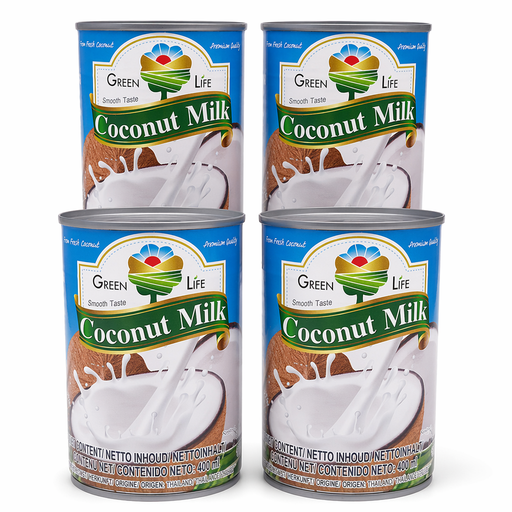
Why it suits this profile: Four 400 ml tins let you stock up without having to open a large pack straight away. Handy for curries, soups or a dessert for several people.
The standard size means you won’t have to open a 1-litre pack for a small recipe. The 5–7% fat content is clearly stated.
Each tin contains 400 ml and has a mild coconut flavour; according to the product information, it is vegan, lactose-free and gluten-free.
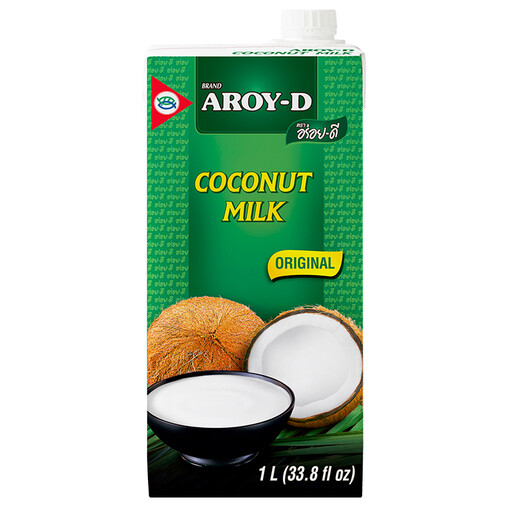
Why it suits this profile: A good choice for home cooks who often make Thai or South-East Asian dishes and want to keep a larger supply on hand.
The 70% coconut extract content is clearly stated, so you don’t have to rely on terms such as “creamy” or “natural”.
1 litre, 70% coconut extract and a higher fat content of 19 grams per 100 ml according to the product information.
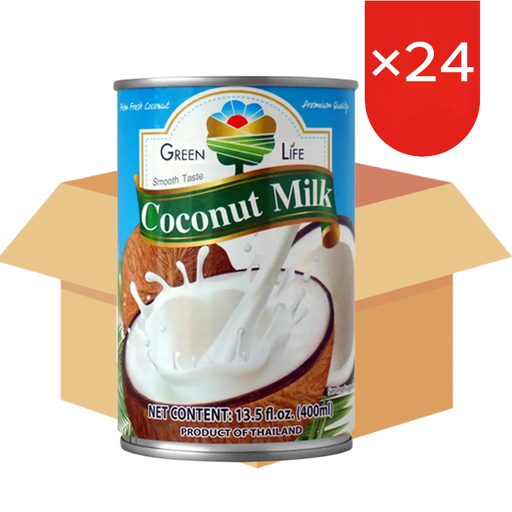
Why it suits this profile: A case of 24 tins is ideal for high-volume users, caterers and households that often cook with coconut milk.
Each tin contains 400 ml, making portion sizes predictable. A case only makes sense if you’ll use the stock.
24 tins of 400 ml, 5–7% fat, mild flavour, and suitable for vegan, lactose-free and gluten-free cooking according to the product information.
We’ve put together a complete, up-to-date list of products that meet these strict selection criteria and the applicable European safety regulations.
No. Coconut cream generally contains more coconut and fat, giving it a thicker texture. Check the coconut content and nutritional information on the label before substituting one product for another in a recipe.
For a creamy curry, look for a product with a higher coconut content and fat content, such as a variety that lists 70% coconut extract and 19 grams of fat per 100 ml. Coconut milk with 5–7% fat is a good choice if you want a lighter sauce or are using extra ingredients.
Store opened coconut milk according to the label instructions, preferably sealed and chilled. Use it within the stated period. Store unopened tins in a cool, dry place, away from direct sunlight. Check a tin before use and don’t use it if the packaging is damaged or bulging.
