
Vandaag of morgen in huis

Kwaliteit gegarandeerd

Welkomstaanbiedingen ontgrendelen: GRATIS bezorging | Tot 80% korting | Gratis 30 dagen JoyPlus-proefperiode
Download de app
A bowl on the table at a birthday party or just for Friday happy hour: cocktail peanuts are a staple. But anyone who has ever looked for them in the supermarket or online quickly realises that the choice is overwhelming. One package promises an "authentic" flavour, while another entices with a crispy coating. Unfortunately, this often leads to disappointment. Before you buy another bag of peanuts that doesn't meet your expectations, it's useful to know a few common pitfalls.
The most common mistakes when buying peanuts:
To avoid these disappointments, it's wise to look at the specifications with a critical eye.
Making a good choice is easier when you know what to focus on. Pay attention to the following three points, and you'll find yourself selecting the right cocktail peanuts for your taste much more consciously.
The coating is what transforms a simple peanut into a premium snack. This layer determines not only the flavour but also the texture. There are roughly two types of coated peanuts:
Check the packaging for the ingredients to see which type of coating is used. This will give you a good indication of the expected texture.
Don't be misled by generic terms. Look for specific flavours. Instead of just "spicy," look for ingredients like Szechuan pepper, chilli, or Tom Yum spices. These are indicators of a more pronounced and authentic flavour profile, often found in Asian snacks. Brands that clearly state their origin, such as KOH-KAE from Thailand or Hui Ji from China, often offer a taste experience that is closer to the original.
A quick look at the ingredients list can be very revealing.
To help you get started, we have selected a number of products that suit different preferences, based on their product specifications.
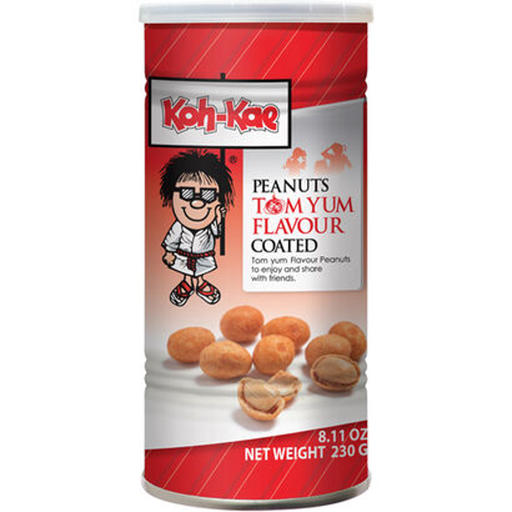
Why This Fits Their Persona: Perfect for those who are tired of standard cocktail peanuts and are looking for a distinct, complex flavour. The combination of spicy, sour, and savoury is a welcome change for any social gathering.
This product avoids the 'vague spicy' pitfall by offering a specific, recognisable flavour: Tom Yum. Furthermore, the Thai brand KOH-KAE indicates an authentic flavour profile.
A unique combination of peanut, a crispy coating, and the iconic Thai sour flavour. According to the manufacturer, it is free from artificial colours and preservatives.
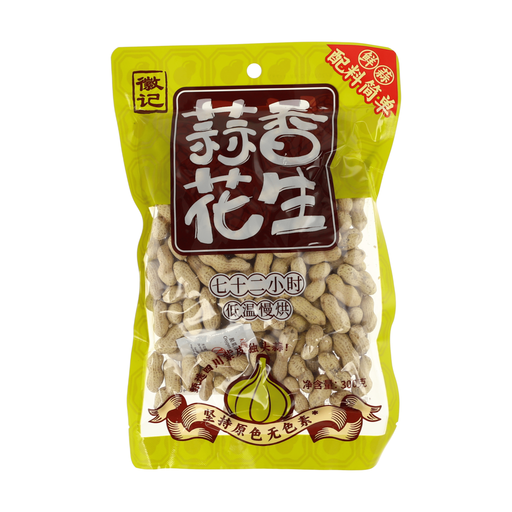
Why This Fits Their Persona: For those who can't get enough of a rich, pronounced garlic flavour. Ideal as a snack with a beer or as a flavourful addition to a salad.
The product name and description are unambiguous: these are garlic peanuts. No vague 'savoury' promise, but a clear focus on a single flavour. The Hui Ji brand highlights its use of Shandong peanuts.
According to the manufacturer, an advanced seasoning technique ensures an even flavour distribution. The peanuts have a crispy texture and an intense garlic aroma.
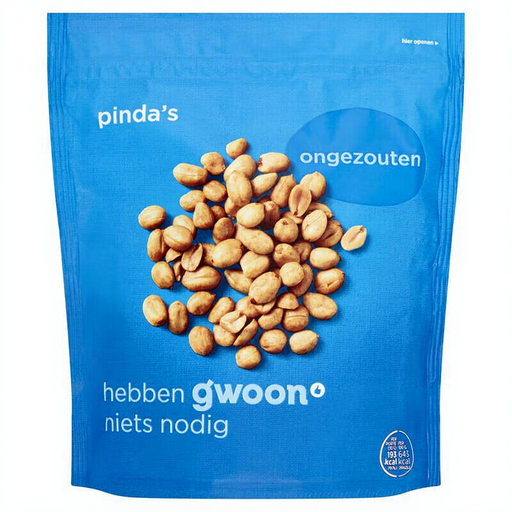
Why This Fits Their Persona: For those who appreciate the pure taste of peanuts or want to control the salt content themselves. A versatile base for your own spice blends or to eat as is.
This product is the definition of 'what you see is what you get'. No misleading flavours or coatings. They are unsalted peanuts, pure and simple, thereby avoiding every marketing pitfall.
According to the specifications, it consists of 99% peanuts and sunflower oil. The salt content is negligible at 0.02 g per 100 g, giving you complete control over the flavour.
We have compiled a complete, up-to-date list of products that meet these selection criteria and comply with current regulations.
While both fall under the category of cocktail peanuts, there is a clear distinction. "Borrelnootje" is a general Dutch term for peanuts with a crispy dough coating. Katjang pedis is a specific variant from Indonesian cuisine. "Katjang" means nut or peanut, and "pedis" means spicy. These peanuts have a thinner, often reddish, crispy layer flavoured with chilli and other spices. They are typically spicier and more aromatic than the standard Dutch cocktail peanut.
To maintain their crispiness, it's important to store opened coated peanuts in an airtight container. A resealable bag, a well-sealed tin, or a glass jar works perfectly. Store them in a cool, dark, and dry place. Moisture and air are the biggest enemies of the crunch, so always seal the packaging immediately after use.
No, that's a common misconception. The range of Asian snacks is incredibly diverse. Besides spicy varieties like those with Szechuan pepper or Tom Yum, there are countless other flavours. Think of peanuts with coconut cream, coffee flavour, five-spice powder, or a creamy, salty taste. Asian cuisine is renowned for its balance of sweet, sour, salty, bitter, and umami, which is also reflected in its snack offerings.
