
Vandaag of morgen in huis

Kwaliteit gegarandeerd

Welkomstaanbiedingen ontgrendelen: GRATIS bezorging | Tot 80% korting | Gratis 30 dagen JoyPlus-proefperiode
Download de app
A bowl of cocktail nuts and nut mix might seem simple to choose, but packaging can be misleading. A large jar doesn’t always mean lots of nuts, a “mild” mix can still be relatively high in salt, and an appealing flavour name tells you little about the actual ingredients. With these practical checks, you can fairly compare cocktail nuts, mixed nuts, salted nuts and unsalted nut mixes.
Don’t just compare the size – look at the price per 100 grams. A 300g bag is handy for guests, while a 150g jar suits a smaller household or a one-off gathering. Individual portions can be practical for on the go, but they sometimes use more packaging relative to the contents.
Check the ingredients list rather than just the front of the pack. In many spiced peanuts and cocktail nuts, peanuts, starch, oil and flavourings come before other nuts. For example, g'woon Mild Cocktail Nuts contain 51% peanuts. According to the product information, g'woon Macadamia Mix consists of 26.1% peanuts, 18.8% almonds, 18.4% cashews and 15.8% macadamia nuts.
So a name like macadamia mix doesn’t mean macadamia is the main ingredient.
“BBQ”, “paprika” or “Oriental” mainly describe the flavour direction. Check the nutritional values per 100g and read the allergen warning. For instance, g'woon Cocktail Nuts BBQ Paprika lists 1.74g of salt per 100g. g'woon Spicy Cocktail Nuts lists 2.1g of salt per 100g. You can’t always tell that difference from the packaging.
If you have an allergy, pay extra attention to peanuts, tree nuts, wheat, milk, soya, celery, mustard and sesame, among others. Always check the label on the pack you receive. Recipes and warnings can change.
Look at the percentages of the main ingredients. An unsalted nut mix with clear proportions is easier to assess than a product that simply lists “nuts and seeds” without any further breakdown.
According to the product information, g'woon Unroasted Mixed Nuts contain 30% hazelnut, 30% walnut, 20% almond and 20% cashew. The mix is unroasted and unsalted, and lists 0g of salt per 100g. That makes it suitable if you’re looking for a neutral base for a snack, salad or breakfast.
Always use the value per 100g to compare products. A 30g portion might look manageable, but the comparison is clearer when you use the same unit of measurement.
As a guide from the available product information:
None of these figures alone determine whether a product is right for you. But they do help you make a more informed choice between salted, spiced and unsalted varieties.
For a long evening of snacking, a resealable pack or a jar with a tight-fitting lid is practical. Store nuts in a cool, dry place away from direct sunlight. Seal the pack well after opening to better preserve flavour and crunch.
For on the go, small portions are handy. ChaCha Daily Nuts comes in five 23g sachets. For a party, packs of 275g to 300g make more sense – think cocktail nuts, paprika nuts or a Japanese mix. Always check the best-before information on the pack.
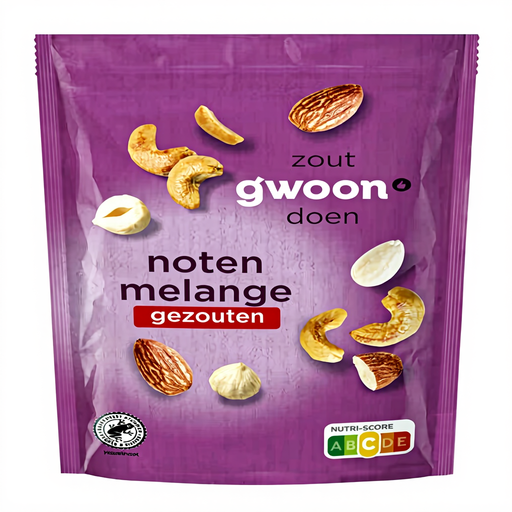
Why this suits the profile: A compact size for a small gathering or to try a Japanese-style flavour mix for the first time.
The weight is clearly stated and the nutritional information lists 0.94g of salt per 100g. Do check the label for allergens; the ingredients mention soya, wheat and sesame among others.
150g, Japanese-style flavour and a jar made from 100% recycled material according to the product description.
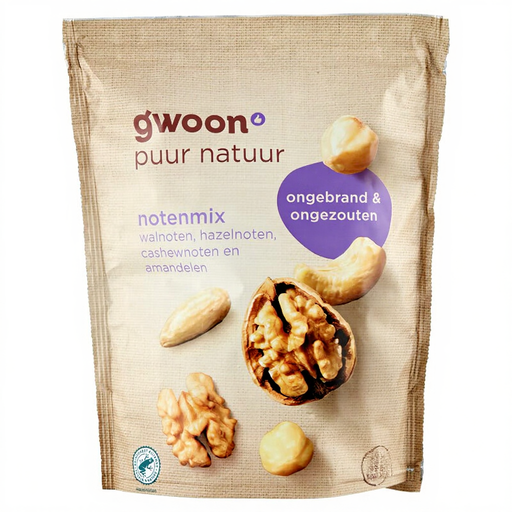
Why this suits the profile: Ideal if you care more about the ingredients and a neutral flavour than a spiced coating.
The product information lists the percentage of each nut and states 0g of salt per 100g. It’s not the snack for you if you’re after a strong, savoury flavour.
500g, unroasted and unsalted; a mix of hazelnut, walnut, almond and cashew.
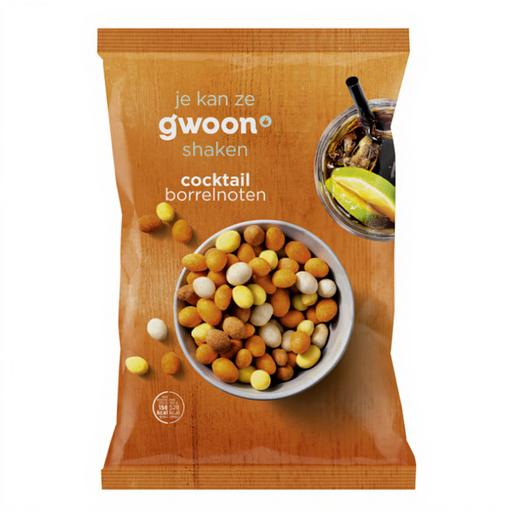
Why this suits the profile: A larger pack for guests, games night or regular snacking with drinks.
The pack states 300g and the nutritional information gives 1.435g of salt per 100g. The ingredients list mentions peanuts, wheat, milk and celery.
300g, a combination including cashew, almond and pecan according to the product description, with mild seasoning.

Why this suits the profile: The five individual portions fit in a bag, desk drawer or lunchbox, and you avoid opening and closing one large pack.
The portion size of 23g is clearly stated. Do note: this mix contains walnuts, cashews, almonds and hazelnuts, plus dried fruit.
5 x 23g, a mix of nuts and fruit, 0.03g of salt per 100g according to the product information.
We’ve put together a full, up-to-date list of products that fully meet these strict selection criteria and comply with current European safety regulations.
That depends on your taste and the size of your group. For a classic drinks occasion, cocktail nuts, spiced peanuts or paprika nuts work well. For a milder option, choose a mix with less intense seasoning. Always check the allergen information if you have multiple guests.
Follow the best-before date on the pack and store the product in a cool, dry place, well sealed. After opening, the aroma, flavour and crunch may gradually decline. A smaller pack is practical if you only eat snack nuts occasionally.
Compare the weight, price per 100g, ingredients, salt and sugar values, allergens and the type of packaging. If you’re after an exotic flavour, look at a Japanese mix, Yamato Mix or a macadamia mix. For a neutral base, an unsalted nut mix with a clear ingredients list is more straightforward.
