
Vandaag of morgen in huis

Kwaliteit gegarandeerd

Welkomstaanbiedingen ontgrendelen: GRATIS bezorging | Tot 80% korting | Gratis 30 dagen JoyPlus-proefperiode
Download de app
A bowl of cocktail nuts is a familiar sight, but the search for the perfect one can be surprisingly tricky. Sometimes, the promised "spicy" flavor is nowhere to be found; other times, you bite through a crispy shell only to find a soft, stale peanut inside. It's a waste of money and a disappointment for your guests.
Before you toss another random bag into your basket, it's worth considering a few common pitfalls:
To avoid these disappointments, you don't need to meticulously study ingredient lists. Just pay attention to a few simple, objective characteristics. This will help you quickly make a great choice among the many types of savory snacks.
The coating determines the texture and is a good indicator of the style. Coated peanuts come in many forms:
A look at the ingredients list tells you a lot. Are specific spices like ‘chili pepper,’ ‘Sichuan pepper,’ or ‘garlic powder’ high on the list? Then the chance of an authentic, rich flavor is greater. If you mainly see ‘flavorings’ and flavor enhancers like E621 (monosodium glutamate), the taste is often less distinct and more generic.
A good cocktail nut has a nice balance. Some packages mention the percentage of peanuts. A higher percentage (for example, above 60%) generally means you get more nut and relatively less coating. This isn't a hard rule for quality, but it does give an indication of what to expect.
Based on these objective criteria, we have highlighted a few popular choices that suit different preferences.
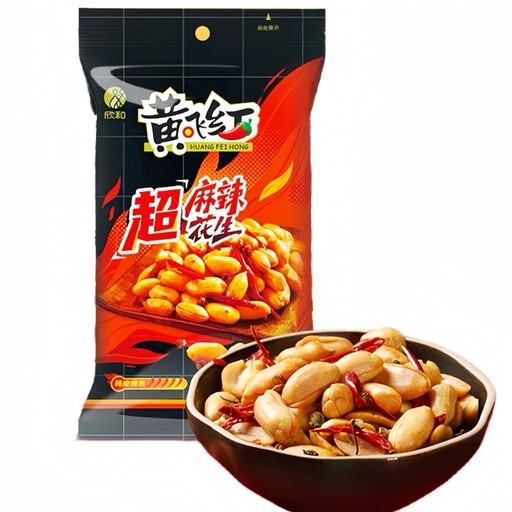
Why This Fits Their Persona: For those who are tired of standard party nuts and are seeking a unique, intense flavor experience. The tingling 'mala' spiciness is a conversation starter in itself and pairs perfectly with a cold beer.
This product avoids the 'vague flavor' trap. The ingredients list specifies chili (2.2%) and spices (1.2%), resulting in the signature Sichuan 'mala' (spicy and numbing) flavor, instead of a generic 'spicy' promise.
Authentic Sichuan 'mala' flavor. A very high peanut content of 91%, making the nut itself the star of the show.
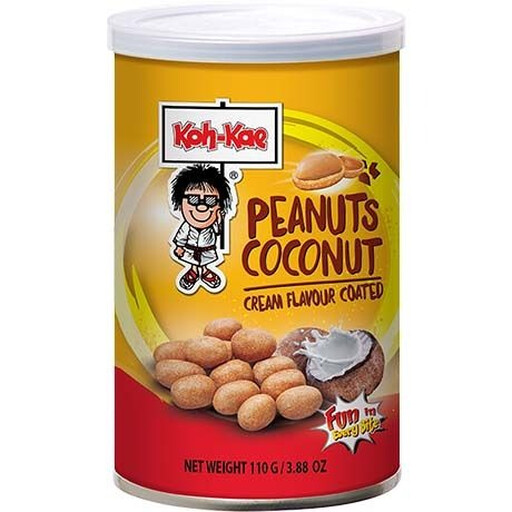
Why This Fits Their Persona: Ideal for those who love a surprising twist. The combination of a salty peanut with a sweet, creamy coconut coating is a more refined choice that pairs well with coffee, tea, or a light cocktail.
This product avoids the 'hidden sugar' trap by clearly positioning its flavor. The coconut cream powder provides a specific, tropical sweetness that is balanced with the salty peanut, rather than a generic, overly sweet taste.
Unique sweet-and-salty flavor combination. The crispy coating, characteristic of the Thai brand Koh-Kae, prevents a soft core.
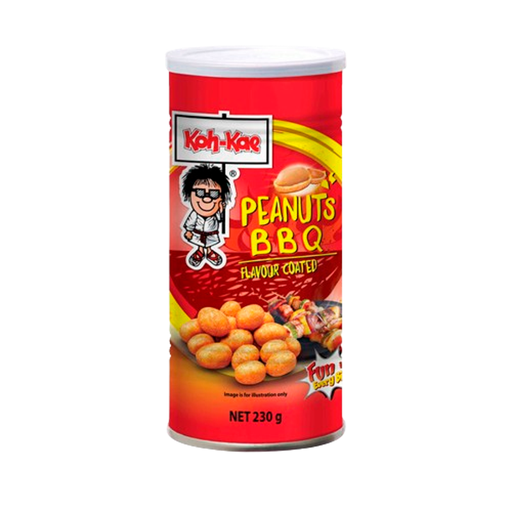
Why This Fits Their Persona: Seeks a reliable and flavorful crowd-pleaser for a party or gathering. The accessible BBQ flavor appeals to a wide audience, and the large, resealable packaging is practical and convenient.
This product prevents the 'soft core' disappointment. Koh-Kae is known for its consistent quality with a crunchy peanut and a crispy coating. The BBQ flavor is smoky and sweet, exactly what you'd expect.
Large, shareable 230-gram package. A popular and accessible flavor that is always a hit at parties.
We've curated a complete, up-to-date list of products that meet these selection criteria.
The crunch is essential. To prevent cocktail nuts from becoming soft and chewy, it's best to store an opened bag in an airtight container or jar. Place it in a cool, dry, and dark place, like a kitchen cabinet. Avoid the refrigerator, as moisture can soften the coating.
In common parlance, the terms are often used interchangeably. Traditionally, "borrelnoot" refers to the classic Dutch snack with a thick, crunchy dough shell. "Coated peanuts" is a broader category that includes all kinds of shelled peanuts, including varieties with a thinner spice layer or a hard, crispy shell as often seen in Asian snacks.
The level of spiciness varies enormously by brand and product. A good indication is the ingredients list. Products that name specific peppers, such as chili pepper, jalape?o, or Sichuan pepper, often deliver a more pronounced and authentic heat than products that stick to general terms like 'spices' or 'spicy flavoring'. For a guaranteed kick, snacks with a 'mala' or wasabi label are often a safe bet.
