
Label confidence when you have coeliac disease
You want to be able to check the information for the exact snack before buying, even if the ingredients or warnings change. The NCV explains how to read food labels.


If you have coeliac disease, you should only choose coated cocktail nuts if the current information for that exact variety confirms they’re suitable for a gluten-free diet; the name or flavour alone isn’t enough. The Duyvis Cocktail, AH Cocktail, Jumbo Cocktail and PLUS Oriental-style varieties reviewed declare gluten-containing cereals or gluten, so you may want to consider an uncoated alternative and check its packaging and cross-contamination information too. The Dutch Coeliac Society (NCV) advises carefully reviewing gluten-free information and warnings.
You want to be able to check the information for the exact snack before buying, even if the ingredients or warnings change. The NCV explains how to read food labels.
You’re looking for specifically seasoned, coated peanuts and want to know whether you can still enjoy them or should choose an uncoated alternative. The NCV generally does not consider cocktail nuts gluten-free.
As well as coeliac disease, you may need to take milk, peanuts or other nuts into account. A gluten-free assessment doesn’t automatically answer those questions too.
If you have coeliac disease, confirmed suitability for a gluten-free diet comes before flavour or packaging. Choose a specific coated variety only if the product information confirms it’s suitable; otherwise, you could consider an uncoated alternative.
Choose these when: you specifically want the seasoned, crunchy coating and the current product information confirms that the exact variety is suitable for a gluten-free diet.
Things to consider: check the full ingredients list and warnings because of the coating; the Duyvis, AH, Jumbo and PLUS varieties reviewed declare gluten-containing cereals or gluten.
Choose these when: you don’t mind going without the coating and are looking for a simpler type of snack. The NCV lists separately packaged, unroasted and roasted peanuts and nuts as product types to look at.
Things to consider: the texture and flavour differ from coated cocktail nuts; check the exact packaging and take any peanut or nut allergies into account.
| What matters when buying | What should you check? | Who is this most important for? |
|---|---|---|
| Suitability for a gluten-free diet | Check the label on the exact variety, the types of cereal, any gluten-free claim or certification, and warnings about accidental presence. The NVWA explains that cereals containing gluten are listed in the ingredients information. | I want to check before buying whether this particular pack is suitable for my gluten-free diet; around 36% of consumers put confidence in labels first. |
| Keeping the crunchy coating | Check the full ingredients list, including the types of flour and starch, for the flavour and pack you’ve chosen. | If I’m specifically looking for a seasoned, crunchy coating, I only want to keep it if the variety is suitable; around 29% of consumers prioritise keeping the coating and flavour above all else. |
| Other allergens | Check the ingredients and warnings for any allergens that are relevant to you. Gluten-free doesn’t automatically mean free from other allergens. | If I also need to avoid things such as milk, peanuts or nuts, I want to be able to check those separately; around 21% of consumers put additional allergies first. |
| Packaging and practical value | Compare the quantities of suitable products and check the closure, storage instructions and use-by information on the pack. | Once I’ve confirmed a product is suitable, I want to choose an amount that works for how I’ll use and store it; around 14% of consumers prioritise packaging and practical value above all else. |
Jumbo Borrelnoten Cocktail 300 g declares wheat and gluten. So an ingredient that isn’t wheat in itself doesn’t tell you what the coating is made of overall.
Read the full ingredients list and check the exact flavour and pack.
PLUS Borrelnoten Oriental Style declares gluten-containing cereals despite its vegan and vegetarian labels. The Duyvis Cocktail pack reviewed is described as containing no artificial colourings, but it also declares gluten-containing cereals.
When choosing products for coeliac disease, rely only on information that confirms the exact variety is suitable for a gluten-free diet.
Products may also contain ingredients or warnings relating to milk, peanuts or other nuts, for example. The NVWA explains how allergens and gluten-containing cereals are shown on labels.
Check the ingredients and warnings for any allergens that are relevant to you.
Duyvis describes Cocktail as peanuts with a crispy coating and savoury flavour. The manufacturer lists several pack sizes.
The own-brand range includes AH Borrelnoten Cocktail 250 g; the product information says it comes in a resealable pack.
Jumbo Borrelnoten Cocktail is a coated variety; the product information lists the ingredients and allergens for the 300 g pack.
PLUS sells Borrelnoten Oriental Style, including the 300 g pack reviewed.
Lidl lists cocktail nuts in several varieties in 300 g packs, with article number 154224.
ALDI lists Trader Joe’s Borrelnoten 300 g in Poesta, paprika and bacon cheese flavours.
These product options are alternatives to coated snacks. Before choosing a product if you have coeliac disease, check the current packaging and warnings.
 No image available
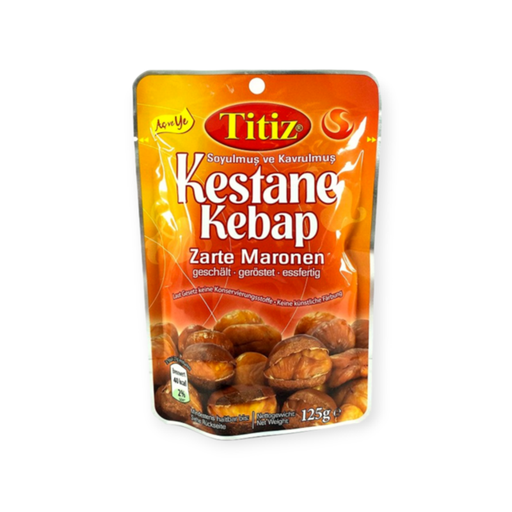
An alternative if you don’t mind going without the seasoned cocktail nut coating. The product description says these are peeled, roasted chestnuts and makes a gluten-free claim; check the current packaging and warnings before deciding whether they’re suitable.
The product description lists chestnuts as the only ingredient.
 No image available
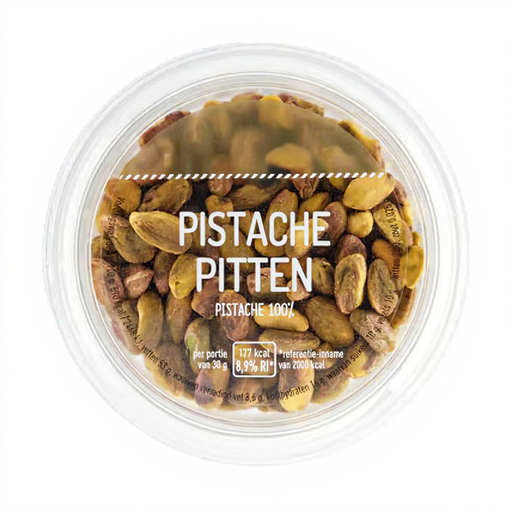
An alternative if you’re looking for a different nut product from coated cocktail nuts. The product description says these are shelled pistachio kernels for snacking or cooking; check the packaging for gluten-free information and allergens.
The product description recommends sealing the pack carefully after opening.
 No image available
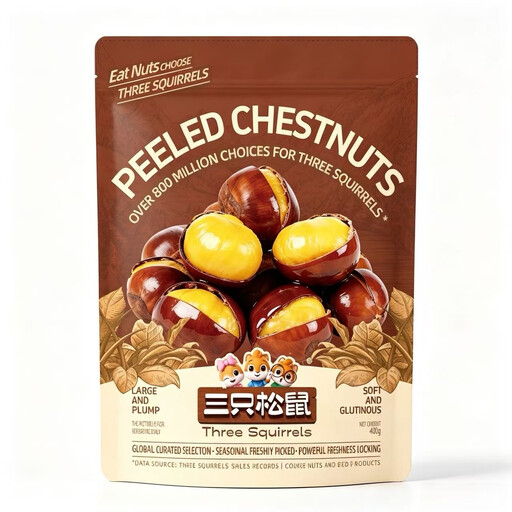
An alternative if you’d prefer chestnuts to a seasoned dough coating. The product description lists chestnut kernels as the only ingredient and says they come in individual packs; check the current packaging for information relevant to your diet.
The product description says the chestnuts are ready to eat.
 No image available
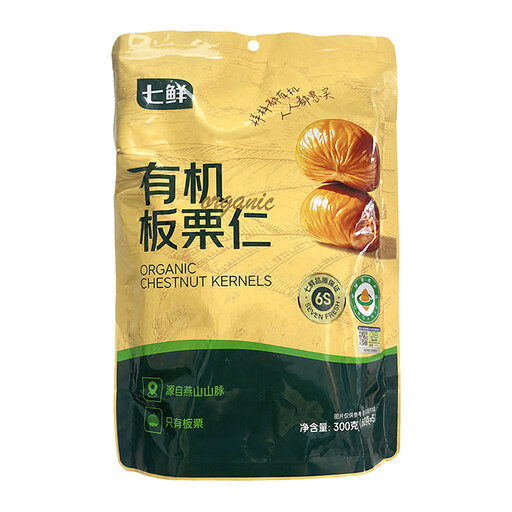
An alternative if you don’t need the seasoned cocktail nut coating. The product description lists chestnuts as the only ingredient and says they come in individually wrapped portions; check the current packaging and warnings before choosing.
The product description says the chestnuts are ready to eat.
No. According to the Netherlands Food and Consumer Product Safety Authority (NVWA), the cereal containing gluten that’s used must be listed; the word ‘gluten’ doesn’t always have to appear in the ingredients list itself. So also check for ingredients such as wheat and barley, and any listed derivatives.
Yes, if the product meets the requirements of Regulation (EU) No 828/2014, according to the NVWA. The cereal type will still be listed, so check that the exact product’s gluten-free status is substantiated rather than relying on the word ‘wheat’ alone.
Read the warning alongside the ingredients list: the NCV explains that statements such as ‘may contain’ and ‘not suitable for people with coeliac disease’ indicate possible accidental presence. The NVWA says that, from 1 January 2026, Dutch rules apply to when and how businesses must issue these warnings.
Use a clean bowl and serving utensil, and keep snacks containing gluten separate. The NCV points out that shared scoops at pick-and-mix counters pose a risk and advises asking for a new bag and a clean scoop if needed.
Use online information to help you prepare, but check the pack you actually have before eating the product. Albert Heijn warns that ingredients and allergen information can change; if the information conflicts, contact the retailer or manufacturer.