
Vandaag of morgen in huis

Kwaliteit gegarandeerd

Welkomstaanbiedingen ontgrendelen: GRATIS bezorging | Tot 80% korting | Gratis 30 dagen JoyPlus-proefperiode
Download de app
A co-sleeper cot keeps your newborn close without them having to sleep in the same bed as you. It sounds simple, but differences in height, attachment, mattress and how long you can use it all affect whether a model is practical in your bedroom.
Many parents focus mainly on how a cot looks or how little it costs. As a result, important details sometimes only become clear after purchase. Look out for these three common pitfalls:
A co-sleeper isn’t automatically the same as a travel cot for a baby, either. A bedside crib is designed to sit next to the parents’ bed. A travel cot is usually larger, lower and suitable for temporary use in different locations.
First, measure the height from the floor to the top of your mattress. Then check that the bedside cot can be adjusted to match it. An adjustable cot with several height settings gives you more options, but the number of settings isn’t everything. Also check:
Models such as the Chicco Next2Me Essential and Chicco Next2Me Go are described as having adjustable heights, folding legs and attachment straps. Use the straps as instructed in the manual, and check that the cot is stable once in place.
A baby’s cot should have a firm, well-fitting mattress. Don’t use an extra pillow, topper, thick blanket or second mattress unless the manufacturer recommends it. Extra bedding can reduce the space available and increase the risk of suffocation.
Also look for:
Some models are described as having an incline. For example, the product description for the portable model below states that it has a 10-degree angle. Treat this as a design feature, not as a medical benefit or guarantee.
How long you can use a cot varies considerably. According to the product specifications, the Chicco Next2Me models in this selection are suitable from birth to around 6 months, with a maximum weight limit of 9 kg. The portable model with five height settings is also listed as suitable from 0 to 5 months, up to a maximum of 9 kg.
A portable baby cot with a travel bag is useful for sleepovers, but check:
A travel cot for a child is generally a different product category. Take a look at the range of children’s travel cots, especially if you’re looking for a cot that will last longer.
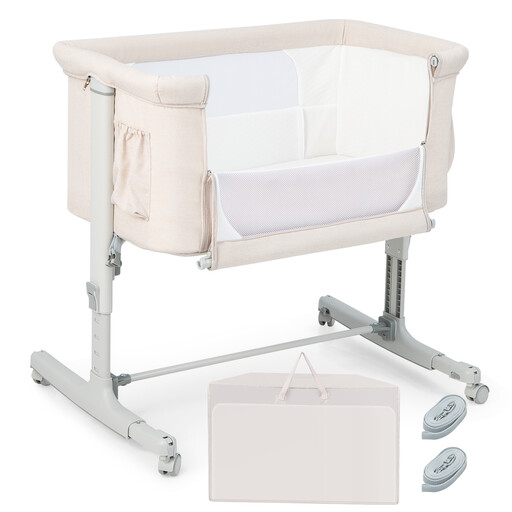
Why it suits this buyer: This model combines a bedside crib, cot and bassinet in one design. Its five height settings and included travel bag are useful for parents who use different rooms or visit friends and family from time to time.
The product specifications list five height settings, attachment straps, lockable wheels and a mattress measuring 76 x 43 cm. Check in advance that the size and height are right for your bed.
Three modes of use, mesh panels, side storage and an included Oxford travel bag. The stated weight limit is 9 kg.
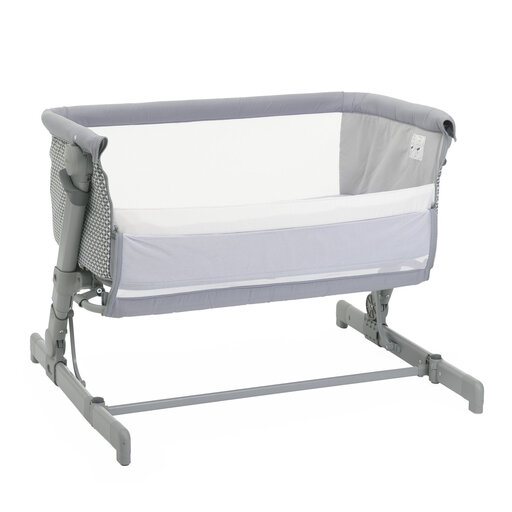
Why it suits this buyer: A good choice for parents looking for the familiar Next2Me design, with adjustable height, folding legs and the option to use it as a co-sleeper or standalone crib.
The listed specifications include six height settings, attachment straps and a reference to the EN 716-1 standard. Always check that it fits alongside your bed and follow the assembly instructions.
Folds away without removing the mattress or legs, with mesh sides and an included carry bag. According to the description, it’s suitable from 0 to 6 months, up to a maximum of 9 kg.
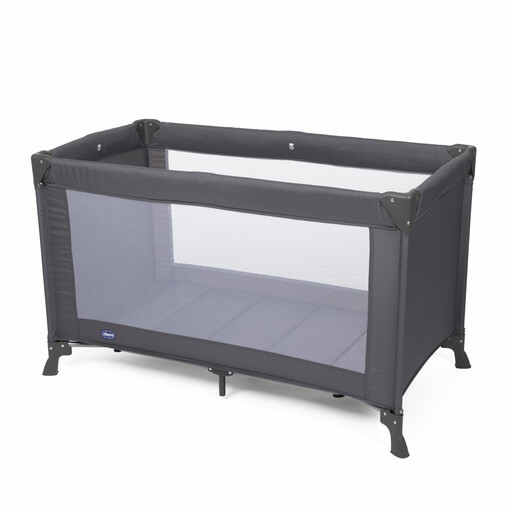
Why it suits this buyer: This travel cot is designed for families who travel regularly, stay overnight with the grandparents or need a second sleeping space alongside their main cot.
The design features a double safety system to prevent accidental folding, stable legs and mesh windows. It isn’t a substitute for a bedside crib if your baby needs to sleep right next to your bed.
According to the description, it’s suitable from birth to 48 months, up to a maximum of 22 kg. The folding mechanism and carry bag make it convenient for use on the go.
We’ve put together a complete, up-to-date list of products that meet these strict selection criteria and the applicable European safety regulations.
Place the cot on a flat surface, adjust its height to match your mattress and use the straps provided. Then check that the frame can’t move and that there’s no gap between the two mattresses. Apply the brakes on any wheels and always read the manual.
It depends on the model. According to their product specifications, many of the bedside cribs in this selection are intended for use up to around 6 months and a maximum weight of 9 kg. Stop using one sooner if your baby can sit up unaided, push up on their hands and knees or tries to climb out of the cot.
Some models come with a carry bag and can be moved around, but a co-sleeper and a travel cot serve different purposes. Check whether the manufacturer approves it for transport and standalone use. When travelling, use only the mattress supplied or recommended by the manufacturer, and place the cot on a flat, stable surface.
