
Vandaag of morgen in huis

Kwaliteit gegarandeerd

Welkomstaanbiedingen ontgrendelen: GRATIS bezorging | Tot 80% korting | Gratis 30 dagen JoyPlus-proefperiode
Download de app
As a cat owner, you know the struggle: the search for the right cat litter can be frustrating. The shelves are filled with promises, but in reality, you often end up with a product that's dusty, smelly, or doesn't clump well at all. It's a waste of your money and creates unnecessary stress for both you and your cat.
Before you buy another heavy bag of cat litter, it's wise to understand the most common pitfalls. Many cat lovers fall for them, simply because the marketing is so clever.
odour-control cat litter neutralises odours instead of masking them with perfume.natural cat litter or biodegradable cat litter are often used, but what do they really mean? Not every natural litter is flushable or suitable for the organic waste bin. Always check the specific instructions and materials to see if it truly aligns with your sustainability goals.You don't need to be a product chemist to make a good choice. Just pay attention to a few key points that truly make a difference in daily use.
This is arguably the most important feature of clumping cat litter. A good litter quickly forms a hard, compact clump around the urine.
The material determines the clumping strength, weight, dust level, and eco-friendliness.
dust-free cat litter, and biodegradable. According to some manufacturers, the clumps can be flushed down the toilet in small quantities (always check local regulations).Fine granules often feel more comfortable on a cat's paws because they resemble sand. The downside is that fine granules can easily get stuck between their toes and tracked through the house. Coarser granules stay in the box better, but not every cat finds them comfortable. Sometimes, a mix of different granules is a good compromise.
We've highlighted some popular choices and matched them to different needs. This will help you find a product that suits you, your cat, and your household.
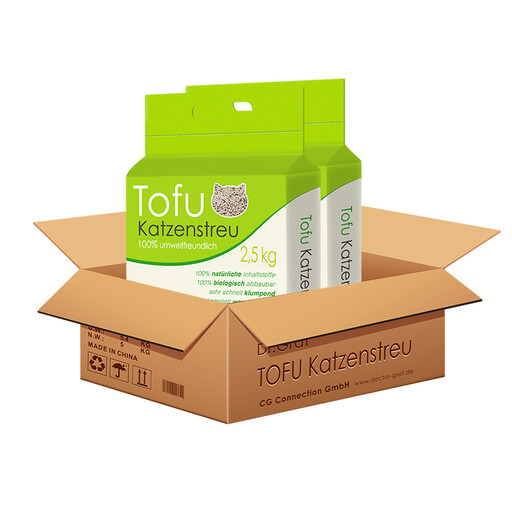
Why This Fits Their Persona: Ideal for those who prioritise sustainability. This litter is made from 100% natural tofu, is lightweight and easy to handle, which is convenient if you live in an apartment and don't want to carry heavy bags.
This product bypasses the perfume trap by absorbing odours naturally. According to the manufacturer, it's biodegradable and flushable, which makes the vague "eco" claims concrete.
Made from 100% natural tofu. The dust-free formula is a plus for sensitive respiratory systems.
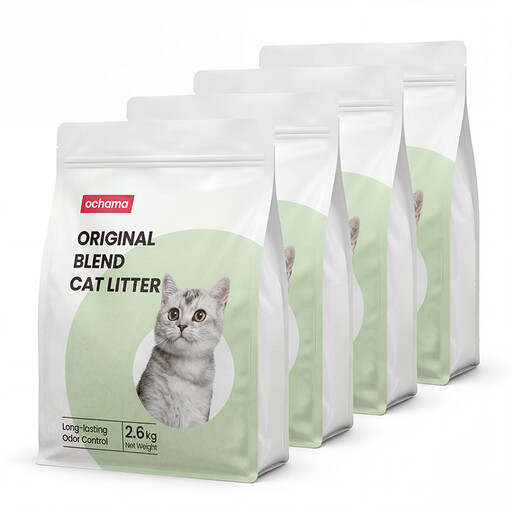
Why This Fits Their Persona: For those who can't stand litter box odours. This mix combines the strong clumping power of bentonite with the odour-absorbing properties of tofu. A dual-action approach for a fresh home, without heavy perfumes.
Tackles odour at the source instead of masking it. The manufacturer claims a 'cyclone milling' process that reduces dust particles, helping to avoid the pitfall of a dusty home.
The mix of bentonite and tofu ensures hard clumps that don't fall apart. The low moisture content (8.4% according to the manufacturer) inhibits bacterial growth.
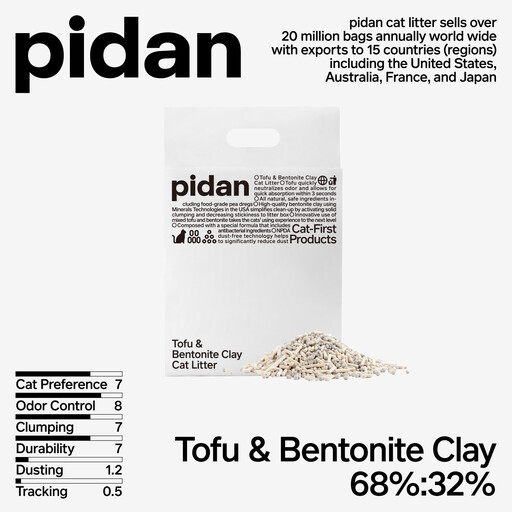
Why This Fits Their Persona: When you have multiple cats, the litter box sees heavy use. You need a product that can absorb a lot and form strong clumps. This bulk pack with a mix of tofu and bentonite is designed for efficiency and high performance.
Focuses on functional clumping strength and absorption rather than marketing terms. The mix is practical: the bentonite provides firmness, while the tofu helps with odour and weight. This means you'll need to completely change the box less often.
The combination of materials offers a good balance between odour control, clumping strength, and weight. The bulk pack is cost-effective for multi-cat households.
We have compiled a complete, up-to-date list of products that meet these strict selection criteria and local regulations.
Even with daily scooping of clumps, it's recommended to completely empty and clean the litter box every 2 to 4 weeks. The exact frequency depends on the type of litter, the number of cats, and how often the box is used. A clean box prevents odours and ensures your cat continues to use it happily.
Plant-based litters, such as those made from tofu or corn, are derived from renewable resources, which often makes them a more sustainable choice than clay (bentonite), which is extracted through mining. They are also biodegradable. Whether you can flush it depends on the product and the regulations of your local municipality and water authority. When in doubt, dispose of it in the general waste bin.
Cats are creatures of habit and dislike sudden changes. Transition gradually. Mix a small amount of the new litter with the old one. Increase the proportion of the new litter every few days until you have fully switched over after about a week. This allows your cat to get used to the new texture and scent peacefully.
