
Vandaag of morgen in huis

Kwaliteit gegarandeerd

Welkomstaanbiedingen ontgrendelen: GRATIS bezorging | Tot 80% korting | Gratis 30 dagen JoyPlus-proefperiode
Download de app
Choosing a stain remover for clothes may seem straightforward, but the differences between spray, gel and powder are practically important. A dried-on grease stain needs a different approach from a light coffee stain on a cotton shirt. Incorrect dosing, leaving the product on for too long or using an unsuitable formula can also cause discolouration.
The Joybuy Product Recommendation Officer therefore filters the most important product information in a clear and practical way. Don’t just focus on the promises on the packaging; pay particular attention to application, ingredients, dosage and warnings.
Terms such as “for all stains” or “works in 30 seconds” sound clear, but they do not automatically apply to every type of fabric. According to the product descriptions of some brands, a short application time may be possible for specific stains or uses. The result can also depend on how old the stain is, the material and the washing temperature.
Always check the official instructions for use and the care label on the garment.
A stain remover spray is handy for treating a specific area. A gel can often be applied more precisely, while stain remover powder may be suitable as an addition to a full wash or for soaking. If you only look at the size of the pack, you could end up buying a product that is less suited to your own routine.
Colour safety and material suitability are two different things. Wool, silk, leather, coated fabrics and garments with special finishes may have additional restrictions. Test a product on an inconspicuous area first if the packaging advises you to do so. Do not use bleach or another strong treatment on coloured clothing without checking the instructions first.
Choose the format based on how you wash your clothes:
If you are looking for a laundry detergent for tackling stains, also check whether it is a complete detergent or an additional stain treatment. A stain remover does not always replace your regular detergent.
The label may list surfactants, enzymes and, in some cases, oxygen-based bleaching agents. An oxi stain remover generally uses an oxygen-based formula; check the exact ingredients and warnings for each product.
Pay attention to the following information:
Do not mix different cleaning products without checking first. Products containing chlorine can particularly cause dangerous reactions. Always use the packaging as your primary source for dosage and safety information.
A product may be recommended for use at low temperatures, but that does not mean every stain will disappear in every wash. Check whether the product is intended for:
Dried-on stains may require pre-treatment. Removing stubborn stains is often more successful when you act quickly, treat both sides of the stain if instructed to do so and then wash the garment according to the care label. Do not put the fabric in the tumble dryer until you have checked that the stain has gone; heat can set a stain further.
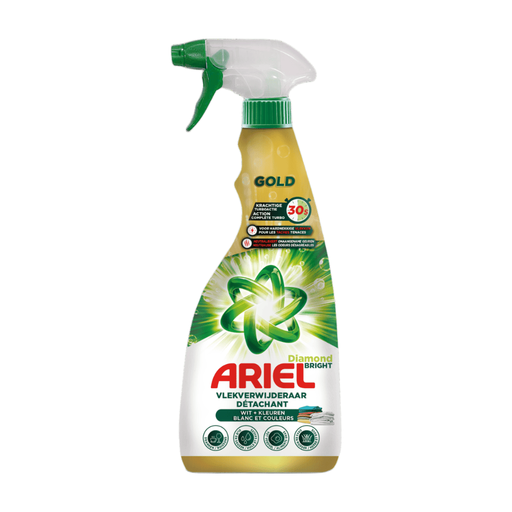
Why it suits this profile: The spray is easy to apply to specific areas and is well suited to households that mainly want to pre-treat everyday stains straight away.
The product information states a maximum application time of 5 minutes. This helps prevent you from leaving the product on for longer than necessary.
750 ml spray; according to the product description, suitable for white and coloured clothing and designed for pre-wash treatment.
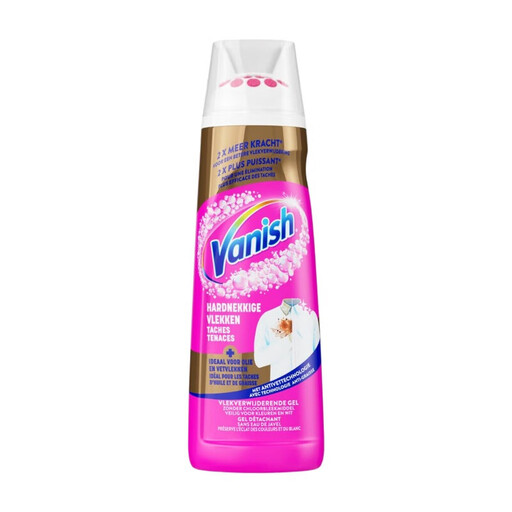
Why it suits this profile: The 200 ml gel is designed for treating individual stains precisely, including dried-on oil and grease stains, according to the product description.
The scrub head supports precise application. The stated working time of 30 seconds is a brand claim from the product information, not a guarantee for every fabric or stain.
Gel formula; scrub head; 5% or more but less than 15% non-ionic and anionic surfactants according to the stated product specification.
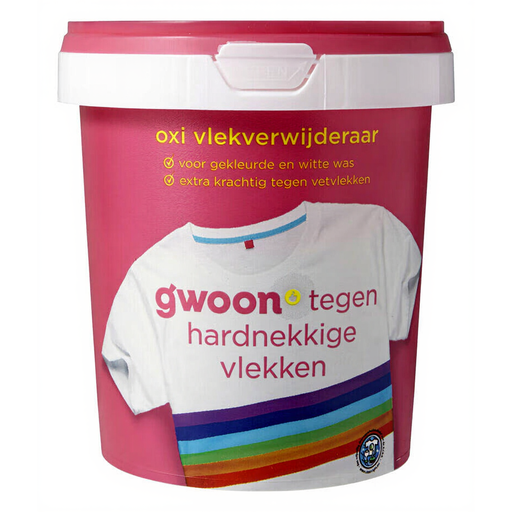
Why it suits this profile: The powder format offers several uses: adding it to the wash, soaking or mixing it with water for direct treatment.
The instructions provide specific dosages of 30, 45 and 60 grams and state restrictions for wool, silk and leather.
750 grams; oxygen-based bleaching agents at 30% or more; enzymes and surfactants according to the product information.
A product for stains in the wash can be effective, but using more product does not automatically lead to better results. A higher dosage does increase consumption and may increase safety risks.
We have put together a complete, up-to-date list of products that fully meet these strict selection criteria and the applicable European safety regulations.
A spray is practical for treating several areas quickly. A gel is usually more precise for a small or concentrated stain. Pay particular attention to the dosage, application time and suitability for the material.
That depends on the specific product. According to the product description, some variants are intended for coloured laundry, but always check the label and carry out a colourfastness test. Do not use a product on wool, silk or leather if this is excluded.
Shelf life varies from product to product. Check the date, batch information or period after opening stated on the packaging. Store powder in a dry place and close sprays and gels securely. Keep all stain treatments out of children’s reach and follow the safety instructions.
