What should you look for?
Heated winged airer
Suitable if: you want to spread out individual garments and fold the airer away after use.
Bear in mind: it uses electricity and needs floor space when open; heating doesn’t guarantee that a full load will dry within a particular time.
Heated tower airer
Suitable if: floor space is limited and you can spread your clothes across several levels.
Bear in mind: check that it can accommodate long workwear and the amount of washing you have; claims about faster drying aren’t independent tests of your laundry.
Unheated airer
Suitable if: you have more time and can dry clothes outdoors or in an unheated, well-ventilated room.
Bear in mind: the airer itself doesn’t use electricity for heating, but you’ll need to allow enough time and space for your clothes to dry.
| What to consider |
What to check before buying |
Who is this most important for? |
| Drying time between shifts |
Compare the usable rails, maximum load and any timer. Don’t assume the wattage guarantees a particular drying time. |
If I need workwear again between shifts, I don’t want to assume everything will be dry in time just because the airer is heated. Around 31% of consumers prioritise drying time. |
| Drying and storage space, and moisture |
Measure the airer when open and folded, and decide in advance how damp air can be vented away. |
If space for drying is tight, I want an airer that fits and can be put away after use, without overlooking ventilation. Around 25% of consumers prioritise drying space and moisture. |
| Fabric care and electrical safety |
Check the drying instructions for each garment, the manual for the exact model and the required product marking. |
If a garment needs a particular drying method, I want to follow it rather than assume that heat is always suitable. Around 25% of consumers prioritise fabric care and safe use. |
| Electricity use and running costs |
Use the stated wattage and how long you expect to use the airer to calculate kWh, then check your own tariff. |
If I’m weighing up heated and unheated drying, I don’t want to confuse electricity use with drying time or the cost per load. Around 19% of consumers prioritise running costs. |
When drying clothes indoors, Milieu Centraal recommends extra ventilation to remove damp air. A cover or heated rails are no substitute for ventilation. CE marking is required for electrical products placed on the market in the Netherlands, so check the marking and product information for the specific model. The Netherlands Food and Consumer Product Safety Authority describes the applicable requirements, but a product listing alone doesn’t prove that a particular item meets them.
Joybuy products for drying clothes indoors
This selection includes a heated winged airer and unheated airers for different drying spaces. Choose based on the drying space you need, storage options and how much time you have.
 No image available
Electric heated clothes airer with two side wings, 230 W
The side wings give you space to spread out garments in a spot suitable for drying clothes indoors.
Stated temperature: 45–55 °C; open dimensions: 144 × 53 × 91 cm; recommended maximum load: 10 kg.
Use the airer indoors on a stable, level and well-ventilated surface, at least 31 cm away from walls. Before buying, check the required CE marking and product information for this exact model. Make sure the mains voltage matches the rating plate and use an earthed socket.
View at Joybuy
 No image available
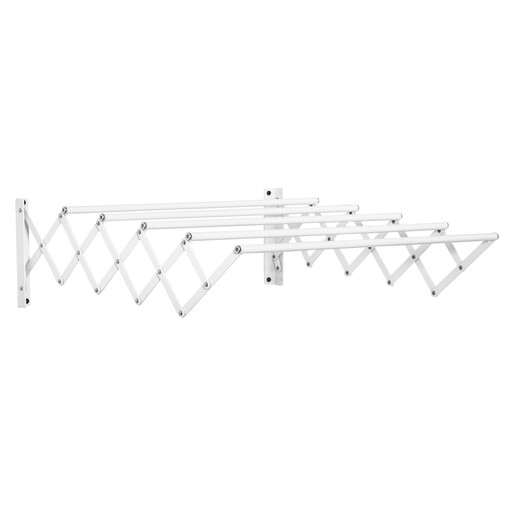
White folding wall-mounted clothes airer with five rails
A wall-mounted airer could work if you want to keep floor space clear and have a suitable place to install it.
Five rails; maximum total load: 10 kg; stated dimensions: 63,5 × 60 × 20 cm.
Wall mounting is required. Check the dimensions and mounting options at the intended location before choosing this airer.
View at Joybuy
 No image available
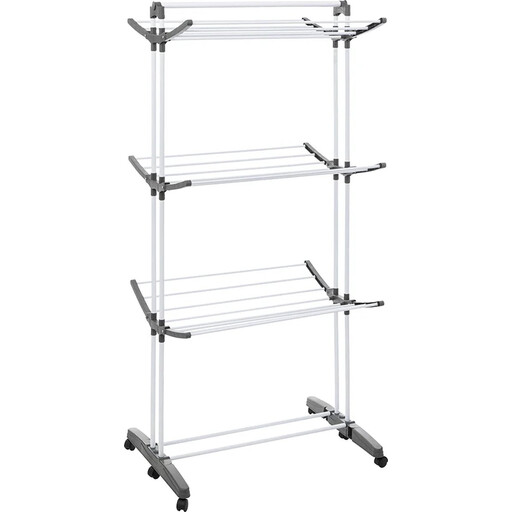
5five Sinai clothes airer, 24 m
An unheated airer with several hanging options could suit you if you can allow plenty of time for clothes to dry.
Drying line: 24 m; maximum load: 40 kg; dimensions: 125 × 62 × 172 cm; foldable and fitted with wheels.
Self-assembly is required. When drying clothes indoors, allow for ventilation and the space the airer takes up when open.
View at Joybuy
 No image available
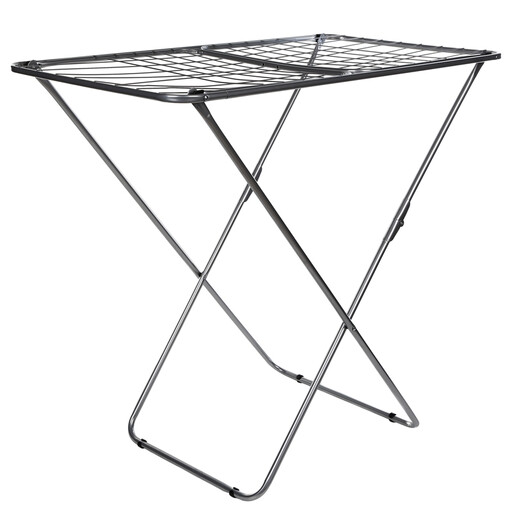
5five clothes airer, 18 m
This unheated airer is an option if you’re looking for one that can be set up without tools.
Drying line: 18 m.
Allow enough time for clothes to dry and check where the airer can stand when open without restricting ventilation.
View at Joybuy
 No image available
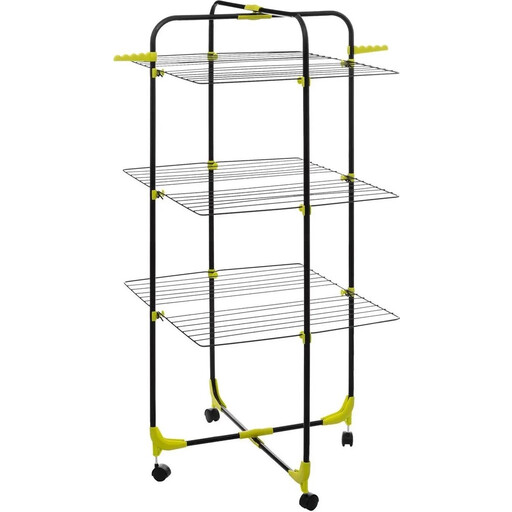
5five Mojave folding clothes airer, 30 m
The tower design lets you spread clothes across several drying levels and could suit you if you’re looking for an unheated airer.
Three drying levels; drying line: 30 m; maximum load: 15 kg; dimensions: 65 × 70 × 137 cm. The airer folds away and has wheels.
Self-assembly is required. Check that the airer and the garments you want to dry will fit in the available space.
View at Joybuy
Frequently asked questions
Can I dry any washable work trousers on a heated airer?
No. Being washable doesn’t automatically mean that every drying method is suitable. Check the care label on the trousers and compare the drying instructions with the manual for the heated airer.
Do I need to ventilate the room when using a heated airer?
Yes. If you’re drying clothes indoors, make sure damp air can be removed. Milieu Centraal recommends extra ventilation when you dry washing indoors; heated rails don’t remove the need for it.
How do I work out the running cost of a heated airer?
Multiply the power in kW by the number of hours you use it to calculate consumption in kWh, then multiply that by your own tariff per kWh. Actual consumption also depends on how long you run the airer.
Is CE marking required for an electric clothes airer?
Yes. CE marking is required for electrical products placed on the market in the Netherlands. The Netherlands Food and Consumer Product Safety Authority describes the applicable electrical safety requirements; check the marking and product information for the specific model.
How do I use an electric clothes airer safely?
Follow the instructions for the exact model. The instructions for the folding electric clothes airer on Joybuy include using it on a stable, well-ventilated surface, plugging it into an earthed socket, and switching it off and unplugging it after use. Don’t assume that instructions for one model apply to other airers without checking.


