
Moving with small items of laundry still wet
You want to pack away dry underwear and socks, and are weighing up a heated airer against how long a standard airer will take in your room.


A heated, foldable airer can come in handy if you need small items of laundry dry before moving day, provided your room has space, a suitable socket and ventilation. Heat alone won’t guarantee a particular drying time. If you have enough time to dry your laundry, an unheated airer avoids using electricity for heating, but you’ll still need to remove moisture from the room. Milieu Centraal recommends extra ventilation when drying laundry indoors.
You want to pack away dry underwear and socks, and are weighing up a heated airer against how long a standard airer will take in your room.
You need somewhere to put the airer while it’s in use, then want to store it away neatly afterwards. Both its open and folded dimensions matter.
You want to know how moisture will be removed while your laundry dries. Heating is no substitute for ventilation.
A good fit if: you need small items of laundry dry before packing and have room for the airer, a suitable socket and ventilation.
Things to consider: heating uses electricity and won’t remove the evaporated moisture by itself, so don’t assume there’s a set drying time.
A good fit if: you have enough time for your laundry to dry and mainly want an airer you can put away after use.
Things to consider: the airer doesn’t use electricity, but it doesn’t provide electric heating either. You’ll still need ventilation when drying laundry indoors.
| Concern | What should you look for? | Who is this important for? |
|---|---|---|
| Dry in time to pack | Check the care labels, how much small laundry you have and whether you can hang it out with space between items. Distinguish between warm-up time and the time needed for a full drying cycle. | If I want to pack small items of laundry before moving day, I need to know how much drying time I really have. Around 33% of consumers prioritise drying laundry in time. |
| Fitting and storage | Compare the airer’s open and folded dimensions, and allow for space around it and the route to the moving area. | In a small room, I need to know whether the airer will fit while in use and can then be stored away neatly. Around 27% of consumers say fitting and storage are their main concerns. |
| Removing moisture | Check whether air vents, a window or existing mechanical ventilation can be used. Milieu Centraal recommends using a higher setting on mechanical ventilation when laundry is drying indoors. | When drying laundry indoors, I want to be able to remove moisture rather than assume heat will solve the problem. Around 20% of consumers prioritise ventilation. |
| Electricity use and purchase cost | Check the stated power, expected usage time and your own electricity tariff. Also consider whether you’ll continue using the airer after the move. | If I want to limit extra electricity use and the cost of buying an airer, I compare heated drying with drying without electric heat. Around 20% of consumers give this consideration priority. |
A stated time for the bars to warm up doesn’t tell you how long your underwear will take to dry completely.
Check what the stated time refers to, and only pack your laundry once it’s actually dry.
An airer may take up very little space when stored, but need more floor space in use than your room can offer.
Measure the space available and compare it with the airer’s dimensions when fully open.
A heated airer won’t remove moisture from laundry drying indoors by itself.
Decide in advance how you’ll ventilate the room. Milieu Centraal recommends extra ventilation when drying laundry indoors.
A heated, foldable option for small items of laundry. The version reviewed is the Elektrisch Droogrek PRO 2025, with 21 m of drying space.
An unheated alternative for anyone looking for a portable, foldable airer to keep using after the move.
Unheated Pegasus airers may be worth considering if holders for small items of laundry are important to you.
This selection includes a heated airer and several unheated or portable options to compare with the space you have available and the time you have for drying.
 No image available
For anyone who wants to dry laundry indoors with heat and is looking for an airer that folds away. The product name states 230 W and dimensions of 144 × 53 × 91 cm.
The product information calls for ventilation, a stable, level surface and a clearance of at least 31 cm from walls. Check the CE marking for this exact version; the NVWA explains when it is mandatory for electrical products.
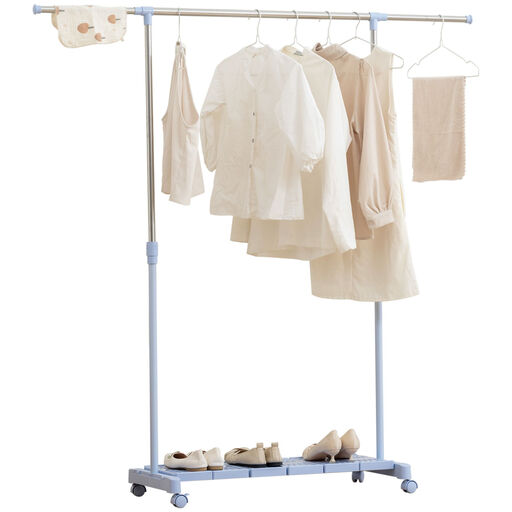 No image available
For anyone who wants to move an airer on wheels between rooms. The product name states dimensions of 159 × 42 × 168 cm.
Lock the buttons in place before use and observe the stated maximum load of 15 kg.
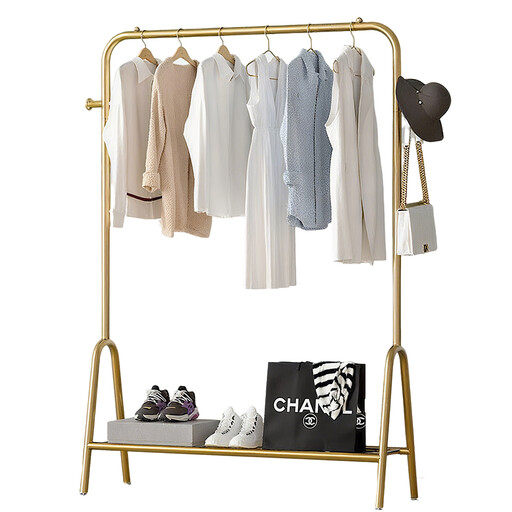 No image available
For anyone who wants to air-dry clothes on a freestanding rail with one bar.
The product name states a width of 100 cm.
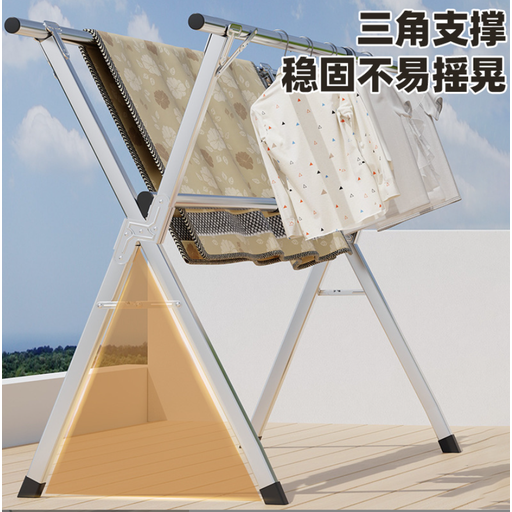 No image available
For anyone looking for an airer with several bars that folds away after use.
The product name states that it has three bars and is 200 cm wide.
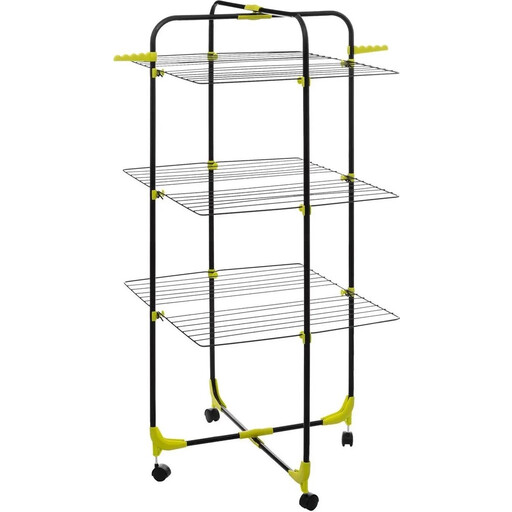 No image available
For anyone looking for a foldable airer with plenty of stated drying space. The product information lists three drying levels, providing a total of 30 m of drying space, and wheels.
Self-assembly is required.
No. Even with a heated airer, moisture needs to be removed from the room. Milieu Centraal recommends extra ventilation when drying laundry indoors, and using a higher setting on any mechanical ventilation when laundry is hanging inside.
Choose a heated airer if you need small items of laundry dry before moving day and have space, a suitable socket and ventilation. If you have enough time to dry your laundry, an unheated airer avoids using electricity for heating, but it won’t remove moisture by itself either.
Check both the open and folded dimensions. Also allow for the space needed to use the airer and consider the surface it will stand on. Follow the guidance for your chosen model on the required clearance from walls.
The NVWA states that CE marking is mandatory for electrical products where this requirement applies. Check the marking and product information for the exact version; a stated power rating doesn’t confirm that it has the marking.
Multiply the power in kilowatts by the number of hours of use to work out consumption in kWh, then multiply this by your tariff per kWh. The result depends on the actual usage time, settings and your tariff.