
Picking out chords on a noisy bus
You replay music passages and want to reduce background noise without turning up the volume. A close-fitting seal is an important consideration.


If you listen wired and want to replay chord passages, start with a well-fitting pair of closed-back studio headphones. How much bus noise they keep out also depends on the fit; active noise cancelling is an alternative to compare separately, not a guarantee that you’ll recognise chords more easily. Check, too, that the headphones are comfortable and that the cable and connection are practical for your seat.
You replay music passages and want to reduce background noise without turning up the volume. A close-fitting seal is an important consideration.
You use your own playback device and want headphones you can take with you, with a cable that works well at your seat. Check the connection and the cable supplied with the exact model.
You want to listen to several passages in a row. How the ear cups and headband fit your head may matter more than a specification on paper.
When to choose them If your playback device has a suitable wired output and you want to try a close-fitting design.
Trade-off Passive isolation depends on the fit; cables vary in length and design.
When to choose them If bus noise is your main listening obstacle and you want to compare noise cancelling.
Trade-off Noise cancelling doesn’t prove that headphones sound neutral or make it easier to recognise chords.
When to choose them Mainly if you’ll listen somewhere quieter later and isolation matters less.
Trade-off An open-back design is less of an obvious choice than a closed-back model on a shared, noisy bus.
| What to consider | What should you check? | Who is this important for? |
|---|---|---|
| Blocking out bus noise | Try a familiar, quiet passage at a comfortable volume and check how the headphones fit around your ears, including when wearing glasses. | If I want to follow passages on a noisy bus without listening louder, I pay extra attention to the seal. This is the top priority for around 36% of consumers in this scenario. |
| Following chord notes | Compare the same familiar passage from the same source at the same comfortable volume. | I want to compare notes in a song carefully, not just play music. Around 29% of consumers prioritise following chord passages. |
| Comfort on the go | Try the headphones for longer than a short passage and check for pressure around your ears and from the headband. | For longer listening sessions, I want the fit to stay comfortable, including when I’m wearing glasses. Long-lasting comfort is the top priority for around 21% of consumers. |
| Connection and cable | Check your device’s output and plug, any adapter you may need, and the space for the cable at your seat. | If I use my own device, I want to know whether the connection fits and the cable won’t get in the way. This is the top priority for around 14% of consumers. |
A studio label doesn’t tell you how well you’ll be able to distinguish notes in a particular song. In a 2014 review, Sound On Sound described the Audio-Technica ATH-M50x’s tonal balance as somewhat emphasised in the bass, upper midrange and treble.
Before choosing, listen to a familiar passage from the same source at a comfortable volume.
A stated noise attenuation figure, such as the one Sennheiser gives for the HD 280 PRO, doesn’t tell you how well the ear cups fit your ears.
Try the model and check the seal with your own music. Don’t turn up the volume to make up for a poor fit.
Wired headphones are only practical if the plug fits your device and the cable works at your seat. Manufacturers offer different cable designs: Audio-Technica lists a straight, detachable 1.2 m cable among the options for the ATH-M50x, while Sony lists a 3 m cord for the MDR-7506.
Before buying, check the connection, the exact contents of the box and the space available for the cable.
Depending on your device or the cable supplied, you may need a suitable adapter or a different cable for that specific model.
The closed-back, foldable ATH-M50x is an option if you want to compare the different detachable cables supplied.
The closed-back, foldable K371 is an option for comparing studio listening with portability.
The closed-back, wired DT 700 PRO X is an option to compare if you want to listen using different devices.
The MDR-7506 is a wired pair of studio headphones to include in your comparisons.
The closed-back HD 280 PRO is an option if you want to compare a studio model with passive noise attenuation and replaceable ear pads.
These Joybuy picks suit the over-ear headphones with active noise cancelling option. Compare them with closed-back, wired studio headphones; none of these product descriptions guarantees that you’ll recognise chords more easily.
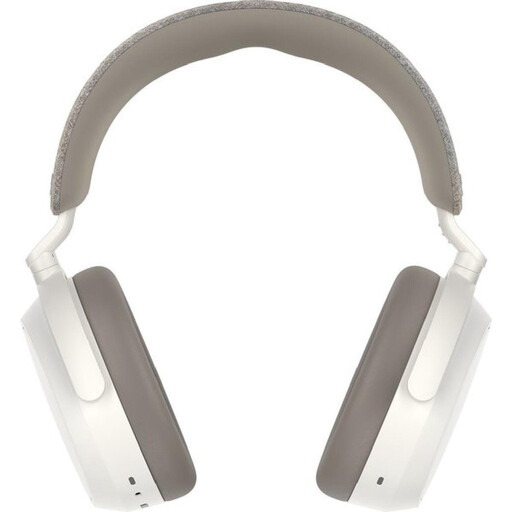 No image available
An option to compare if you want to factor in bus noise and listen wirelessly or with a cable; decide for yourself whether the sound suits your listening needs.
The product name mentions noise cancelling and battery life of up to 60 hours.
 No image available
Compare this model if you’re looking for over-ear headphones for travelling; check for yourself how the fit and sound work for your listening needs.
The product name mentions Bluetooth.
 No image available
An option to compare if you want to factor in bus noise during longer listening sessions; a good fit still matters.
The product name mentions noise cancelling and a wireless design.
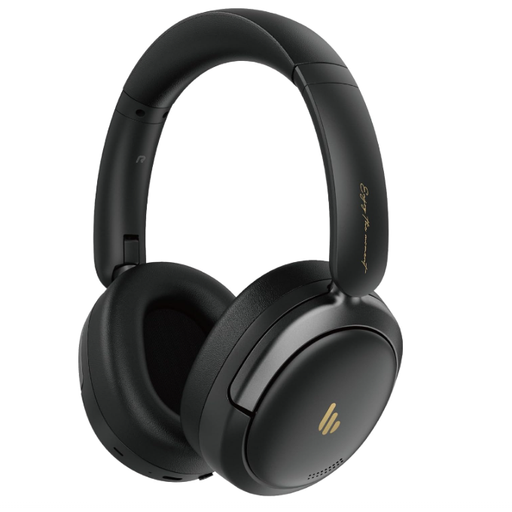 No image available
An option to compare if you’re looking for foldable over-ear headphones for travelling; check for yourself whether the model stays comfortable during longer listening sessions.
The product name mentions hybrid active noise cancelling, Bluetooth 5.4 and playback time of up to 45 hours.
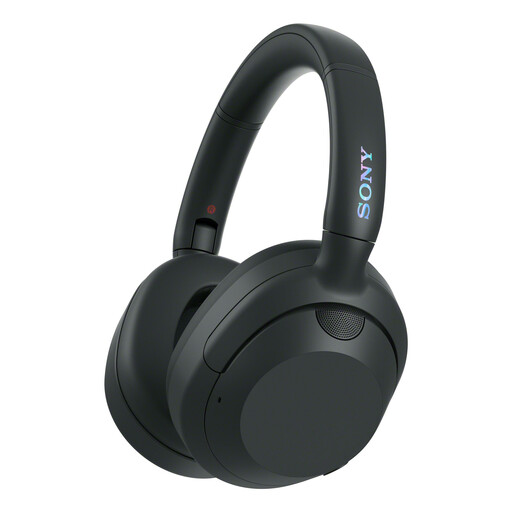 No image available
Compare this over-ear model if you want to factor in noise cancelling and the option to listen wired while travelling.
The product name mentions noise cancelling.
No. The headphone features mentioned don’t automatically identify the chord you’re hearing. Use the headphones to replay passages and decide for yourself whether you can distinguish the notes you want to hear; the term ‘studio’ is no guarantee.
Before setting off, check that the plug fits your playback device and position the cable so it isn’t stretched or in the way. Check the contents of the exact box; Audio-Technica lists a straight, detachable 1.2 m cable among the options for the ATH-M50x.
No. VeiligheidNL recommends making sure the headphones fit well around your ears: if less background noise gets through, you won’t need to turn the volume up as much. Compare the fit or noise cancelling at a comfortable volume.
When you buy as a consumer, you’re entitled to a product that is fit for purpose, and the seller is your point of contact for a solution. According to the Dutch government, there isn’t a fixed statutory two-year guarantee for every product in the Netherlands; what you can expect depends, among other things, on the product and the information provided.
For online purchases, you’ll generally have a statutory cooling-off period of up to 14 days after delivery, subject to exceptions and conditions. Check the applicable returns information and assess the fit within those terms.