
Listener next to a sleeping housemate
Wants to replay a groove with as little sound leakage as possible, without turning up the volume to drown out background noise.


If you’re listening next to someone who’s asleep, start with a well-fitting pair of closed-back headphones. They reduce sound leakage and background noise more effectively than an open-back model, but can’t guarantee silence. In a quiet room where sound leakage isn’t an issue, you could also consider an open-back model. In either case, check the connection and fit, and keep the volume at a modest level.
Wants to replay a groove with as little sound leakage as possible, without turning up the volume to drown out background noise.
Wants to listen closely to individual beats and accents, so pays attention to sound reproduction and how well the headphones seal.
Wants headphones that stay comfortable during repeated listening and connect to the device they use.
The choice between open-back and closed-back headphones largely depends on where you’ll be listening. Closed-back headphones are a better fit when sound leakage is unwelcome, while an open-back model only makes sense if sound escaping isn’t a problem.
Choose this if: someone is sleeping nearby, or background noise makes it hard to pick out quieter details.
Bear in mind: the seal also depends on the fit; a closed-back design doesn’t make headphones silent.
Choose this if: you’re listening in a quiet room and no one minds sound escaping.
Bear in mind: an open-back earcup lets sound out and background noise in, as Sound On Sound explains.
| What to consider | What to look for | Who it matters to |
|---|---|---|
| Evening sound leakage | Check whether the model is closed-back and whether the ear cushions fit snugly. | If I’m sleeping next to someone, I want to keep as much sound as possible inside the earcups; around 33% of consumers put sound leakage first. |
| Beats and accents | If possible, compare the same familiar passage on the same device at a modest volume. | If I want to pick out the kick, snare and hi-hat separately, I focus on how the recording sounds to me; around 27% of consumers make rhythmic detail their top priority. |
| Fit for repeated listening | Look for space around your ears, comfortable headband pressure and suitable replacement ear cushions. | When I’m rewinding a track repeatedly, I want a fit that stays comfortable; around 20% of consumers put comfort first. |
| Connection to your source | Check the exact version, plug, cable length and whether you’ll need an adapter. | If I want to connect my headphones to a particular device, I check its output and the headphone version first; around 20% of consumers start by checking compatibility. |
The category alone doesn’t tell you whether a model is suitable next to a sleeping housemate. Open-back earcups let sound through.
First decide whether sound leakage is acceptable where you’ll be listening; only then compare the models.
The beyerdynamic DT 770 PRO comes in versions including 32, 80 and 250 ohm. The version you choose can therefore affect how well it connects to your playback source.
Before buying, check the full model version, your device’s output, the plug and whether you need an adapter.
The World Health Organization (WHO) points out that sound level, listening time and repeated exposure all play a part in safe listening.
First make sure the headphones fit well, listen at a modest volume and take regular breaks.
The DT 770 PRO is a closed-back, wired option; the DT 990 PRO is an open-back alternative for listening in a quiet room.
The closed-back ATH-M40x is a wired option with detachable cables.
The closed-back HD 280 PRO is a wired model for which the manufacturer lists passive attenuation and replaceable ear cushions.
The closed-back MDR-7506 is a wired option to compare with other models.
The K371 is a closed-back, foldable studio headphone with a detachable cable.
This Joybuy selection features over-ear headphones for listening to music. Check whether each model’s design, connection and controls suit the way you listen back to drum grooves.
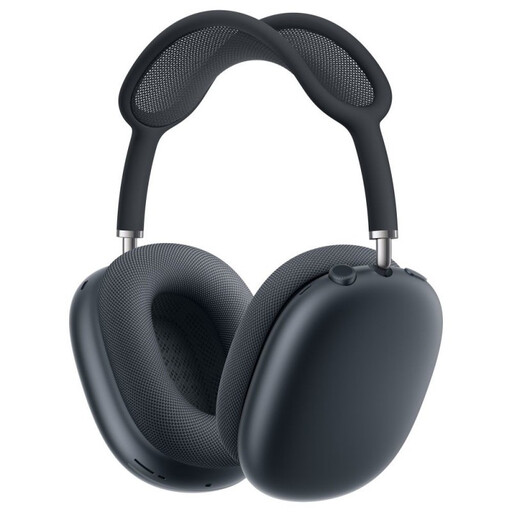 No image available
The product description mentions high-fidelity audio and active noise cancellation for focused music listening.
Check that the connection is compatible with your playback source.
 No image available
The description mentions wired listening with the supplied 3,5mm cable; check that the connection is compatible with your source.
Listed features include a 42mm transducer system, active noise cancellation and EQ settings via the app.
 No image available
The described closed-back design may be worth considering if you want to reduce sound leakage; fit still matters.
The specifications list Bluetooth 5.3. The description also mentions wired listening with an audio cable; check which connection you need.
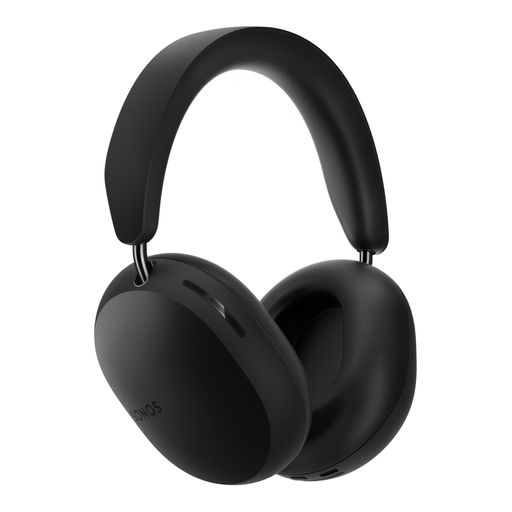 No image available
The closed-back design is worth considering if you’re listening next to someone; check the fit for the seal you want.
The product description lists wired audio sources via USB-C and 3,5 mm.
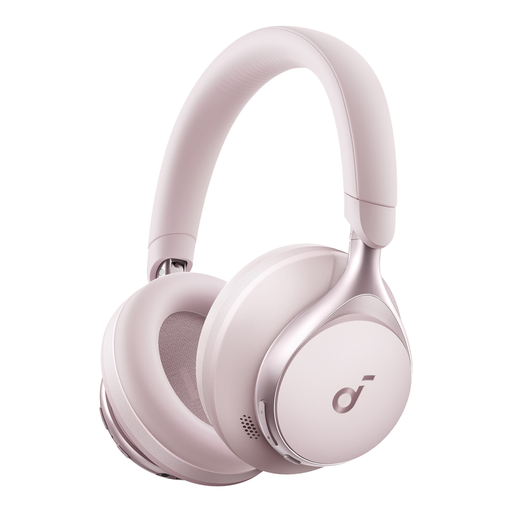 No image available
This over-ear model is designed for listening to music; check whether the fit is comfortable enough for repeated listening sessions.
Listed features include Bluetooth and battery life of up to 55 hours.
Start with a well-fitting pair of closed-back headphones if sound leakage is a concern. An open-back model lets sound out and background noise in; neither design guarantees that someone else won’t hear you.
That depends on the output and the exact version. Check the plug, whether you need an adapter and the specifications of your playback source; the beyerdynamic DT 770 PRO, for example, is available in 32, 80 and 250 ohm versions.
Follow the manufacturer’s care instructions and check whether replacement ear cushions are available for your exact version. The manufacturers list replaceable ear cushions for models including the DT 770 PRO and HD 280 PRO.
Keep the volume at a modest level and take regular breaks. The World Health Organization (WHO) explains that safe listening time decreases as the sound level rises; the volume setting on your device doesn’t give an exact measurement at your ear.
When you buy online from a business, you generally have a statutory 14-day cooling-off period from delivery, subject to legal exceptions. You’re also covered by the statutory guarantee: if a product doesn’t meet reasonable expectations under normal use, the seller is responsible for offering an appropriate solution. Check who the seller is and which returns terms apply to the specific product.