
Vandaag of morgen in huis

Kwaliteit gegarandeerd

Welkomstaanbiedingen ontgrendelen: GRATIS bezorging | Tot 80% korting | Gratis 30 dagen JoyPlus-proefperiode
Download de app
Clogs are everywhere. You see them in the garden, at the supermarket, and as comfortable house shoes. The convenience of these slip-ons is undeniable, but not all clogs are created equal. The wrong choice can quickly lead to sweaty feet, a lack of support, or a pair that's worn out after just a few months. Before you make a purchase, it's helpful to know what to look for to avoid a bad buy.
As a Joybuy Product Recommendation Officer, I'll help you see through the marketing jargon. We'll look at the facts so you can choose a model that truly suits you.
Many people buy clogs based on looks or a low price, only to find out later that they're impractical. These are the most common problems:
To avoid the problems above, it's smart to pay attention to a few concrete specifications. These determine the comfort, durability, and usability of your clogs.
The material is perhaps the most important factor. Brands like Crocs, for example, use their proprietary Croslite material. According to the manufacturer, this is a synthetic resin that is lighter, softer, and more shock-absorbent than traditional plastic. These types of materials help avoid the "sweaty-foot trap" and offer more comfort. Are you looking for lined clogs for the colder months? Then check if the lining is made of a breathable material, like soft fleece, to provide warmth without feeling clammy. These models are ideal slippers or house shoes.
A good clog is more than a simple slip-on. Pay attention to the following points:
Not everyone uses clogs the same way. Below are a few popular choices, linked to different user profiles.
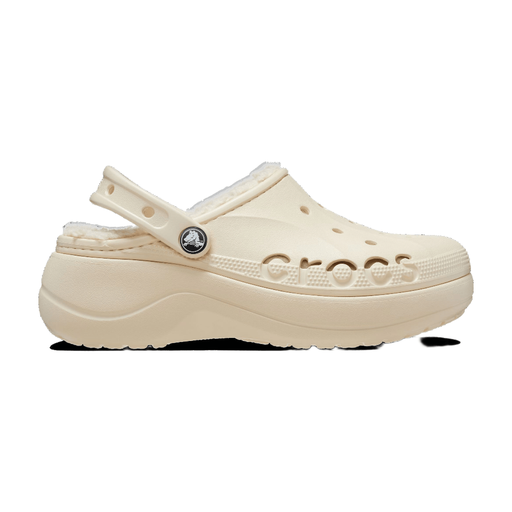
Why This Fits Their Persona: This model combines the renowned comfort of a clog with a trendy platform sole. The lined interior makes it a warm and stylish choice for women who don't want to sacrifice comfort for a modern look.
The platform sole offers more cushioning and support than a flat sole. The Croslite material keeps the shoe lightweight, despite its thicker construction.
Elevated sole for a contemporary look. Soft, warm lining for extra comfort.
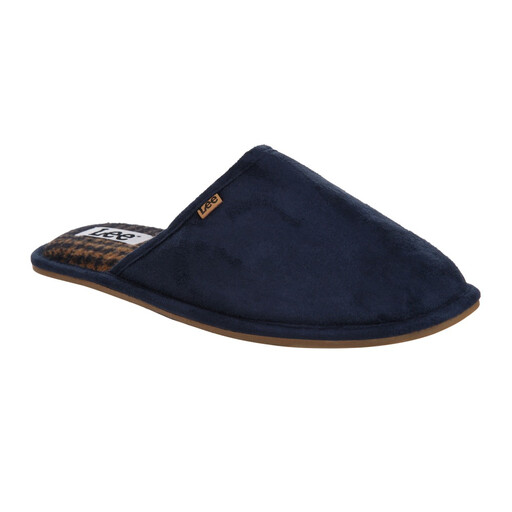
Why This Fits Their Persona: For those looking for a classic, warm slipper for around the house. This model has a traditional slipper design with an open heel, lined with soft faux fleece for maximum comfort on cold days.
This is purely an indoor shoe. The focus is on warmth and comfort indoors, thus avoiding the "sweaty-foot trap" of plastic outdoor shoes. The sole is sturdier than that of many fabric slippers.
Warm faux fleece lining. Sturdy sole for indoor durability.
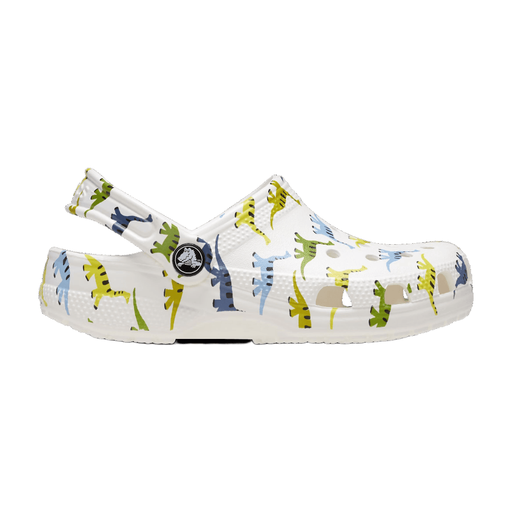
Why This Fits Their Persona: Kids need shoes that are durable, easy to put on and take off, and fun to wear. This dinosaur print model is practical for parents (easy to clean) and a treat for kids.
The heel strap ensures a secure fit while running and playing, preventing the clog from slipping off. The durable Croslite material can withstand the playground and is easy to rinse off.
Playful design that kids love. Easy to clean and a secure fit.
We have compiled a complete, up-to-date list of products that meet these selection criteria.
This depends on the material. Clogs made of synthetic resin like Croslite can be easily cleaned with cold water and mild soap. Avoid direct sunlight or high heat when drying, as this can deform the material. For lined clogs, it's different; the lining is often not removable. Consult the manufacturer's care label. It is usually recommended to only spot clean them with a damp cloth.
Clogs are designed for casual comfort and convenience. Models with a contoured footbed and a good heel strap offer more support than simple flat slip-ons. They are ideal for use in and around the house, or for short, informal outings. For long walks, sports activities, or if you have specific foot conditions, it is always wise to choose footwear designed for that purpose.
Although the terms are sometimes used interchangeably, there is a functional difference. Clogs typically have a closed toe, a sturdier construction, and often a heel strap for a better fit. This makes them suitable for both indoor and light outdoor use. Slippers (or house shoes) are usually softer, often have an open toe or heel, and are primarily intended for comfort indoors.
