
Vandaag of morgen in huis

Kwaliteit gegarandeerd

Welkomstaanbiedingen ontgrendelen: GRATIS bezorging | Tot 80% korting | Gratis 30 dagen JoyPlus-proefperiode
Download de app
A cleansing oil can break down make-up, sunscreen, sebum and dirt without you having to scrub harshly at your skin. Yet not every cleansing oil is automatically right for your skin type. A heavy formula can leave a sticky residue, fragrance can feel uncomfortable, and a small bottle isn’t always cost-effective for daily use.
That’s why the Joybuy Product Recommendation Officer helps you focus on verifiable features: ingredients, usage instructions, volume and warnings. This way, you can make a more informed choice between a Korean cleansing oil, a Japanese cleansing oil or a gentle facial cleansing oil for everyday use.
Words like “glass skin”, “anti-aging” or “pore control” sound appealing, but they don’t automatically tell you how a product will react with your skin. According to Beauty of Joseon’s own product information, the Ginseng Cleansing Oil contains soybean oil and ginseng seed oil, among other ingredients. The description links these ingredients to care and a comfortable skin feel, but this is a brand claim and not a guarantee of visible results for every user.
So first, look at the basics: does the oil dissolve make-up and sunscreen, emulsify with water and rinse off easily?
A cleansing oil for sensitive skin is often described as mild. Still, check the ingredients list. Some formulas contain fragrance or essential oils. The Numbuzin No.1 Easy Peasy Cleansing Oil, for example, lists fragrance and warns that users with sensitive skin should be cautious. According to the product information, the Anua Heartleaf Pore Control Cleansing Oil also contains fragrance.
If you react quickly to fragrances, you’re better off looking at a fragrance-free option, such as the Weleda Cleansing Oil & Make-up Remover. Even with a fragrance-free formula, a patch test is still a sensible idea.
A 200 ml bottle might seem good value, but the number of pumps per use varies. A mini size can actually be handy if you want to try a product first or if you travel often. The Bean Cleansing Oil Miniature contains 20 ml, while the Beauty of Joseon Ginseng Cleansing Oil contains 210 ml. So compare volume, frequency of use and amount per application rather than just the selling price.
A good cleansing oil turns into a milky emulsion when it comes into contact with water. This makes the oil easier to rinse off. On the label or in the instructions, you’ll often see terms like “emulsify” or “rinse off”.
Apply the oil to dry hands and a dry face. Massage gently over the skin, then add a little lukewarm water and rinse thoroughly. The Anua Heartleaf formula and the 1025 Dokdo Cleansing Oil both describe this method explicitly.
For dry skin, a formula with plant-based oils can feel comfortable. Beauty of Joseon lists soybean oil, olive oil and ginseng seed oil in its ingredients. For sensitive skin, fragrance, essential oils and your personal allergies are key points to watch.
A cleansing oil for oily or blemished skin doesn’t have to be “strong” by default. A light texture that rinses off well can be more pleasant than a heavy oil. Skin1004 describes the Madagascar Centella Light Cleansing Oil as a light formula with plant-based oils and micellar cleansing. The product information also mentions a non-comedogenic formula; this remains a product claim from the brand and is not an individual guarantee.
Always check:
Stop using it if you experience redness, itching, swelling or a burning sensation. Do not use a cleansing oil on damaged or irritated skin if the packaging advises against it.
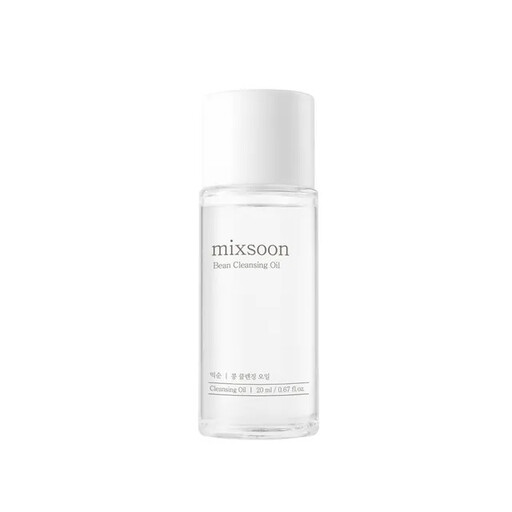
Why this fits the profile: The small size is practical for trying out a Korean cleansing oil first or taking it on trips, without having to buy a large bottle straight away.
You limit the risk of a bad purchase by first using 20 ml. The product information does list fragrance; be aware of this if you have sensitive skin.
20 ml travel size; according to the product description, designed to dissolve make-up and impurities.
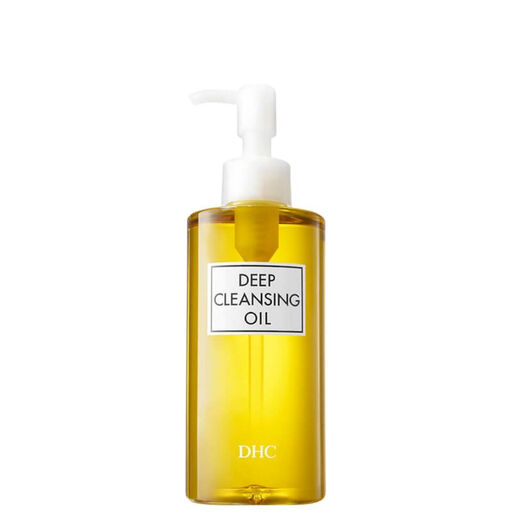
Why this fits the profile: This Japanese cleansing oil suits users who remove sunscreen and make-up daily and want a reliable first step in their routine.
The product description mentions emulsion when rinsing off. Check for yourself whether the formula feels pleasant and be mindful of eye contact.
200 ml; according to the product information, intended for make-up, sunscreen and daily impurities.
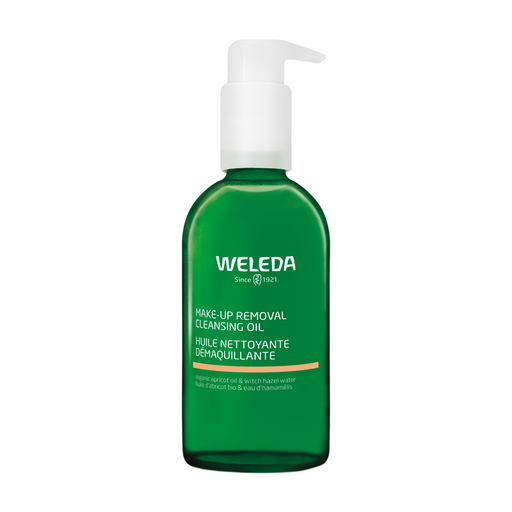
Why this fits the profile: A practical choice for anyone who regularly removes waterproof make-up and consciously looks for a fragrance-free formula.
The description states fragrance-free and mentions waterproof eye make-up. Rinse thoroughly and avoid direct contact with the eyes.
150 ml; fragrance-free according to the product description; intended for waterproof make-up, dirt and impurities.
Double cleansing is especially practical when you’re wearing a lot of make-up, waterproof products or a heavy layer of sunscreen. On days without make-up, a single gentle cleanse may be enough, depending on your skin and routine.
We’ve put together a full, up-to-date list of products that fully meet these strict selection criteria and comply with current European safety regulations.
It can be, as long as the formula rinses off well and your skin doesn’t feel tight or heavy. Check ingredients like fragrance and pay attention to the product warnings. A non-comedogenic claim, such as with some Skin1004 and Anua products, comes from the brand and is not a guarantee for every skin type.
Yes, many products are designed for this. The Weleda Cleansing Oil & Make-up Remover specifically mentions waterproof eye make-up. Massage gently, avoid direct contact with the eyes and rinse with lukewarm water. If irritation occurs, stop using it.
Check the expiry date and the open-pot symbol on the packaging. Store the bottle in a cool, dry place away from direct sunlight and keep the pump tightly closed. The shelf life after opening can vary from product to product, so always follow the label.
