
Vandaag of morgen in huis

Kwaliteit gegarandeerd

Welkomstaanbiedingen ontgrendelen: GRATIS bezorging | Tot 80% korting | Gratis 30 dagen JoyPlus-proefperiode
Download de app
A cleansing gel may seem like a straightforward product, but there is a big difference between a facial cleanser, shower gel and intimate wash gel. Choosing the wrong product can leave your skin feeling tight, lead to unnecessary expense or result in a product that sits unused after just a few weeks.
The packaging can make things even more confusing. Words such as “mild”, “hydrating” and “for all skin types” only tell you so much when you also need to consider the ingredients, intended use and volume. Use this practical checklist to compare cleansing gels based on properties you can verify.
A face wash is developed for the skin on your face. A shower gel is intended for the body and sometimes, according to the product information, for the hair and face too. An intimate wash gel is intended exclusively for the external intimate area. So don’t automatically use a product on an area other than the one stated on the label.
A baby wash gel calls for a different approach. For babies and children, a soap-free formula, clear age information and a limited ingredients list are more important than a strong fragrance or rich lather.
A mild cleansing gel may still contain perfume. Check the ingredients list for “parfum” or “fragrance”, as well as separately listed fragrance ingredients such as limonene, linalool or benzyl alcohol. If you are quick to react to fragrances, it is better to look for a fragrance-free cleanser.
Also pay attention to marketing claims such as “hypoallergenic” or “dermatologically tested”. These are not guarantees that everyone will tolerate the product without problems. A brand may make such claims according to its product information, but individual skin reactions are still possible.
A cleansing gel for blemish-prone skin may contain salicylic acid. This ingredient appears on the ingredients list and may suit oily skin or skin with impurities. It is not a reason to use the product more often or for longer than indicated. Stop using it if irritation occurs and avoid contact with the eyes.
A low-pH cleanser is often chosen because the formula corresponds to the skin’s natural acidity. However, check whether the pH value is actually stated. “pH skin-neutral” and “low pH” do not automatically mean the same thing.
Use this overview as a starting point:
Ingredients are generally listed in descending order of quantity. Glycerine is often used as a humectant. Plant extracts, oils and niacinamide may provide additional benefits, but their presence alone does not determine how your skin will react.
Cleansing agents such as cocamidopropyl betaine, coco-glucoside or sodium cocoyl isethionate may appear in different formulas. A rich lather does not automatically mean that a cleansing gel cleans better. Nor is a formula with lots of fragrance ingredients or an intensely fresh sensation necessarily more suitable.
A 50 or 100 ml tube is convenient for trying a product for the first time or taking it with you when travelling. For daily use by several family members, 400 ml or 1 litre may be more practical. So compare the price per 100 ml and consider the packaging:

Why it suits this profile: A compact facial cleanser for anyone looking for a gel texture for daily use and wanting to start with 100 ml. According to the product information, the formula is vegan, fragrance-free and suitable for all skin types.
The product details specify the face as the intended area, not the body or intimate area. This helps prevent using one gel for everything.
100 ml in a tube; contains glycerine and plum water according to the ingredients list; fragrance-free according to the product details.
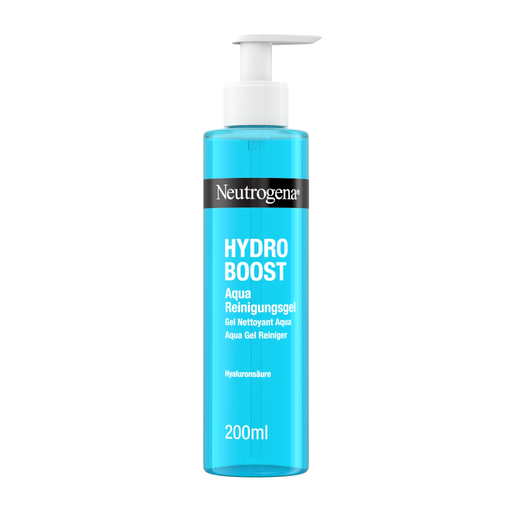
Why it suits this profile: Suitable for anyone looking for a larger facial cleanser with a gel texture and caring ingredients. According to the product description, the formula contains hyaluronic acid and glycerine.
The product description specifies the face and external use. This makes it clear that it is not a general shower gel or hair wash.
200 ml volume; oil-free formula according to the product information; designed to remove dirt, make-up and sebum.
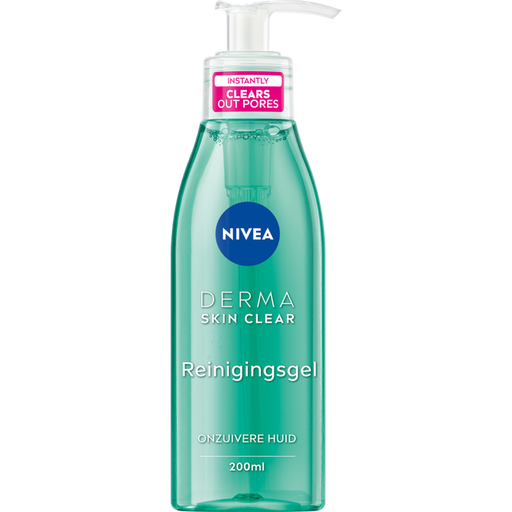
Why it suits this profile: This facial cleanser is aimed at oily or blemish-prone skin. According to the product information, it contains salicylic acid and niacinamide and is fragrance-free.
The active ingredients are clearly listed. So you don’t have to rely solely on the “for acne” label and can check the formula yourself.
150 ml; fragrance-free and vegan formula according to the product details; warning regarding salicylic acid and use from 3 years of age stated.
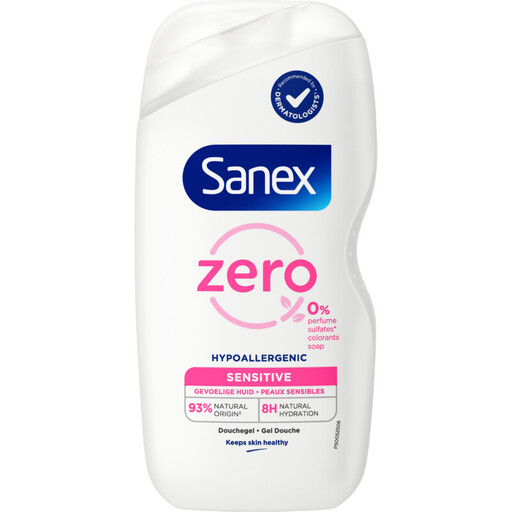
Why it suits this profile: A generous-sized shower gel for daily use on the body. According to the product information, it is vegan and intended for sensitive skin.
The product details state 0% perfume, microplastics, sulphates and colourants. Always check the current packaging yourself, as formulations may change.
400 ml; vegan according to the product details; glycerine and lactic acid appear in the ingredients list.
We have put together a complete, up-to-date list of products that fully meet these strict selection criteria and the applicable European safety regulations.
That depends on the product and its intended use. According to the product information, many facial cleansers and shower gels are suitable for daily use. Use lukewarm water, massage without scrubbing too hard and follow the label. If redness, itching or a burning sensation occurs, stop using the product.
Look for a short ingredients list, a fragrance-free cleanser and a formula without ingredients that have caused you sensitivity in the past. A product claim such as “hypoallergenic” comes from the brand’s product information and is not a personal guarantee. If in doubt, first test a small amount on a limited area of skin.
Not automatically. A facial cleanser is formulated for the face and may be relatively expensive to use over the entire body. Conversely, a shower gel may contain perfume or cleansing agents that are unsuitable for your face. Always check the stated intended use and preferably choose a product designed for that purpose.
