
Vandaag of morgen in huis

Kwaliteit gegarandeerd

Welkomstaanbiedingen ontgrendelen: GRATIS bezorging | Tot 80% korting | Gratis 30 dagen JoyPlus-proefperiode
Download de app
A cleansing balm can loosen make-up, sun cream and excess sebum before you wash your face with water. However, not every cleansing balm is the same. The texture, fragrance, emulsifiers and directions for use all influence how well a product suits your skin and routine.
Three common purchasing pitfalls are:
A solid balm should soften on a dry face through body heat and then spread into an oil-like texture. Next, add a little lukewarm water. The formula should be able to emulsify: the oily texture then changes into a milky liquid that is easier to rinse away.
Check the product information to see whether this step is mentioned. A formula that emulsifies poorly may require more rinsing and rubbing. This makes it less convenient to use and may feel unpleasant on sensitive skin.
Do not just look at the claims on the front of the packaging. Check the full ingredients list.
A brand’s claim about hydration, antioxidants or a soothing effect should be read as information from the manufacturer. A formula may have certain properties according to the brand’s own research, but this is not a universal guarantee for every user. Stop using the product if you experience redness, itching, stinging or swelling, and consult a doctor or dermatologist if necessary.
Compare the size with how often you use the product. A 100 ml pot is convenient for daily use, while 50 ml may be suitable if you want to try a formula first. Also look out for:
A cleansing balm is solid or semi-solid and becomes liquid as you massage it in. This makes it suitable if you want to dispense a product without spills. A cleansing oil is already liquid and often spreads quickly across the face. The choice mainly comes down to texture and ease of use, rather than one having a fixed advantage over the other.
Both products can be the first step in a double cleanse:
Double cleansing is particularly practical on days when you wear waterproof make-up or several layers of SPF. On a day without make-up or sun cream, one suitable face cleanser may be enough. More steps are not automatically better for your skin.
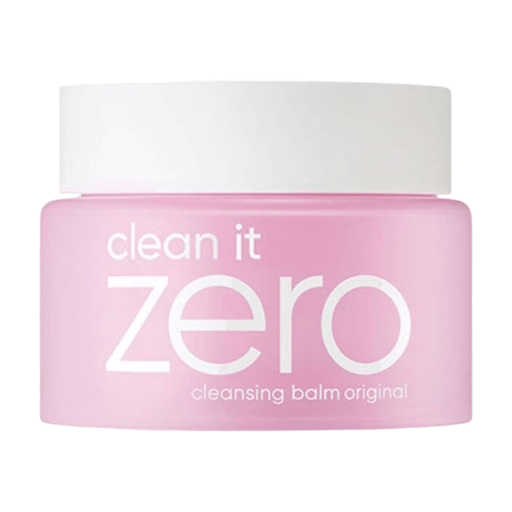
Why it suits this profile: The 100 ml size and sherbet-like texture offer a straightforward starting point if you are using a balm cleanser for the first time.
According to the product description, the balm turns into a cleansing oil on contact with water. However, check the ingredients list if you want to avoid fragrance.
100 ml size; intended for all skin types according to the product information; suitable as a first step for make-up and everyday grime.
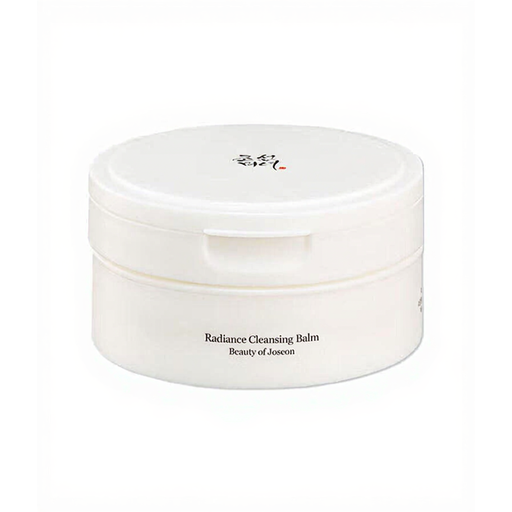
Why it suits this profile: This Korean cleansing balm is a good match for anyone who enjoys a carefully considered evening routine with double cleansing.
The directions for use explicitly describe emulsifying with water and rinsing with a water-based cleanser. Check the current packaging for details.
100 ml size; ingredients list includes rice bran oil, oat extract and glycerine; directions for double cleansing.
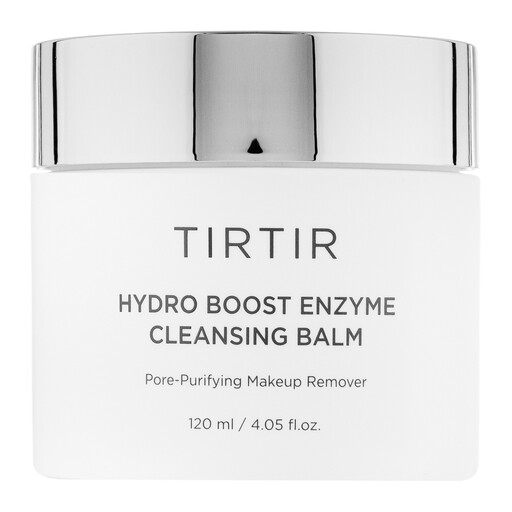
Why it suits this profile: The 120 ml size suits users who often wear make-up and SPF and use a balm as a regular part of their evening routine.
The product description mentions enzymes and an exfoliating purpose. Use gentle massage and take extra care if your skin reacts easily.
120 ml size; according to the ingredients list, contains rice oil and squalane, among other ingredients; intended for removing make-up.
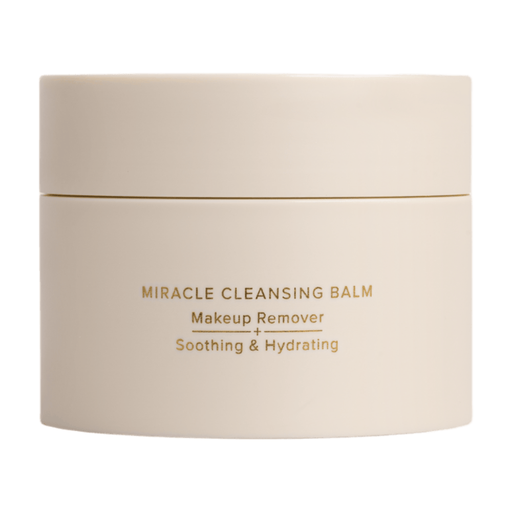
Why it suits this profile: The rich formula, including shea butter, cocoa butter and various plant oils, suits anyone looking for a more nourishing feel on the skin.
The description mentions the transition from balm to a milky texture. Rinse thoroughly if you do not want to feel a rich residue.
100 ml size; product description mentions sun protection, make-up and excess oil as areas of use; contains several plant oils.
We have compiled a complete, up-to-date list of products that fully meet these strict selection criteria and the applicable European safety regulations.
That depends on the ingredients and your individual response. Pay particular attention to fragrance, essential oils and other known triggers. Test a new product on a small area of skin first, and do not use it on damaged or irritated skin. A product labelled “for all skin types” is not a guarantee that it will suit everyone individually.
A balm or cleansing oil is often practical for this, as the oily phase can loosen make-up and sun cream residue. Work on a dry face, massage gently and emulsify with lukewarm water. For stubborn eye make-up, you may need a separate make-up remover. Avoid rubbing your eyes.
Follow the best-before date and the period-after-opening information on the packaging. Close the pot securely, use dry hands or the spatula provided, and store the product somewhere cool and away from direct sunlight. If the scent, colour or texture changes noticeably, stop using it.
