
Vandaag of morgen in huis

Kwaliteit gegarandeerd

Welkomstaanbiedingen ontgrendelen: GRATIS bezorging | Tot 80% korting | Gratis 30 dagen JoyPlus-proefperiode
Download de app
A cleansing balm can dissolve make-up, SPF, sebum and dirt without the need for prolonged rubbing. However, not every cleansing balm is the same. Some formulas leave a greasy layer behind, while others contain fragrance or essential oils that may not suit every skin type. Terms such as “mild”, “hydrating” and “suitable for all skin types” are not always used consistently either.
This buying guide explains what to look for in a cleansing balm, make-up remover balm or cleansing oil. You can then choose more confidently and find a product that suits your skin type and daily routine.
A cleansing balm should first transform into an oil-like texture when applied to dry skin. Once you add water, it will usually turn into a milky emulsion that is easier to rinse off. If this step does not work properly, a film may be left on the skin.
When reading the instructions, look out for terms such as emulsify, “milky texture” or “rinse-off”. The usual order is: dry hands, dry face, massage in, add water and then rinse thoroughly.
A product may be described as mild by the brand, yet still contain fragrance, citrus oil or other perfuming ingredients. If you have sensitive skin, it is particularly sensible to check the full ingredients list. A fragrance-free cleansing balm is not automatically essential, but it can be a practical choice if you are prone to redness or tightness.
Stop using the product if irritation occurs and avoid direct contact with the eyes. Always check the packaging, as ingredients and usage instructions may vary between versions.
Claims such as “hydrates”, “restorative” or “antioxidant” do not tell you exactly how a product will feel on your skin. A brand’s own research may suggest that a formula has certain properties, but this is no guarantee for every user. Instead, focus on information that can be checked:
A good make-up remover balm should spread comfortably without vigorous rubbing. According to their product descriptions, the products in this selection are applied to dry skin and then transform into an oil or milky emulsion.
This makes a balm suitable as the first step of double cleansing. The balm mainly removes oil-based residues such as make-up, SPF and sebum. A second, water-based cleanser can then remove sweat and other water-soluble residues. Double cleansing is not necessary every day for everyone. If you wear little make-up or have dry skin, one mild facial cleanser may be enough.
For dry or mature skin, oil-based ingredients, glycerine, ceramides and other soothing components may be worth considering. The Judydoll formula, for example, lists several ceramides and oils. This does not mean that the product will deliver the same results for every person with dry skin, but the formulation does suit consumers looking for less tightness after cleansing.
For sensitive or reactive skin, the full INCI list is particularly important. According to the listed ingredients, Banila Co Clean It Zero Original and several other balms contain fragrance. SENSAI Silky Purifying Cleansing Balm also lists fragrance and perfuming components. This does not necessarily present a problem, but it is relevant information when making your purchase decision.
A 100 ml jar may seem generous, but how long it lasts depends on how much you use and how often you wear make-up. A small amount is often intended for each cleansing session. Where possible, use the supplied spatula or clean, dry fingers to prevent water getting into the jar.
A 1.8 ml sample is useful for briefly trying the texture and fragrance. For regular use, a 100 ml or larger size is more practical. After purchasing, check the expiry date and any period-after-opening information on the packaging.
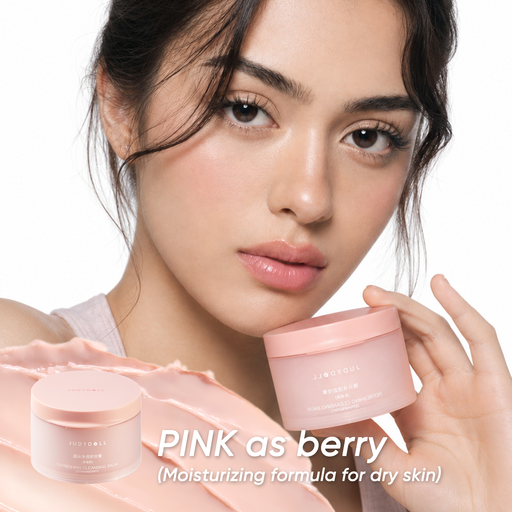
Why it suits this profile: The described powder-to-oil formula is easy to use and intended for daily make-up removal, with extra emphasis on a comfortable feel for dry skin.
The instructions clearly describe emulsifying with water. This shows you how to minimise greasy residue.
100 ml contents; the ingredients list includes ceramides, glycerine and several plant oils.
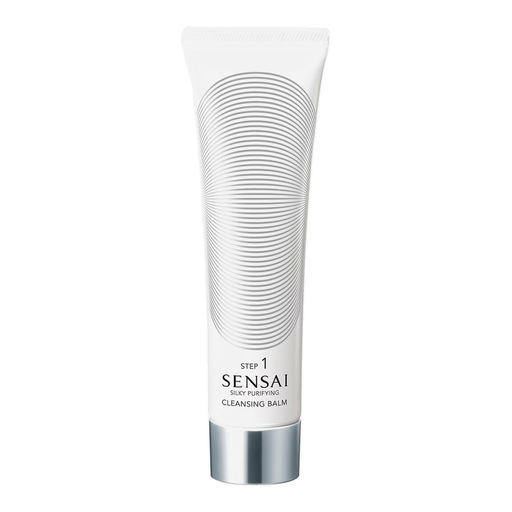
Why it suits this profile: This balm contains a generous 125 ml and, according to the product information, is intended to remove make-up, sebum and dirt from all skin types.
According to the product description, the balm transforms into an oil and is rinsed off with water. However, check for fragrance and perfuming ingredients if your skin is sensitive to them.
125 ml contents; listed as free from fragrance, sulphates, parabens and colourants, according to the product details.
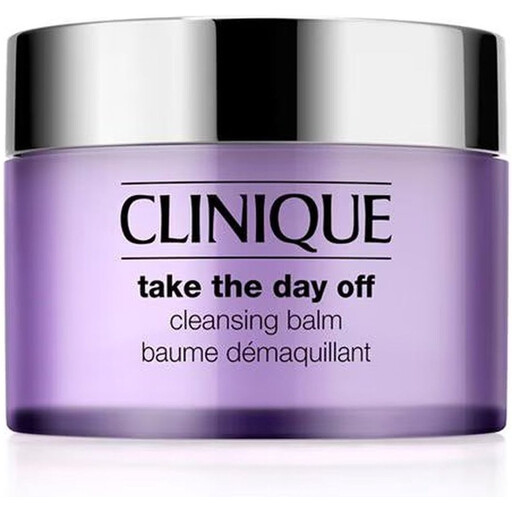
Why it suits this profile: The product description focuses on stubborn and waterproof make-up. This makes it suitable for intensive make-up users looking for a dedicated waterproof make-up remover.
The stated use explicitly mentions waterproof make-up. This means you do not have to rely solely on a general claim about “deep cleansing”.
Transforms from balm to oil; the ingredients list includes safflower seed oil and caprylic/capric triglyceride.
We have put together a complete, up-to-date list of products that fully meet these strict selection criteria and the applicable European safety regulations.
If you wear very little make-up, you can use the balm only on days when you wear SPF or waterproof products. Dry skin often benefits from a short, gentle cleanse rather than prolonged massaging.
That depends on the formula and your individual sensitivities. Pay particular attention to fragrance, citrus oil, essential oils and other ingredients you have reacted to in the past. Test a new product on a small area of skin first and stop using it if irritation occurs.
Not always. A second cleanser can be useful if you wear a lot of SPF, sebum or make-up and enjoy double cleansing. If you have dry skin or use little product, rinsing thoroughly with water may be enough. Pay attention to how your skin feels after cleansing: tightness may indicate that you are cleansing for too long or too vigorously.
This varies depending on the contents, the amount used and how often you wear make-up. A 100 to 125 ml pack is intended for regular use, while a sample is mainly suitable for trying the texture first. Store the jar in a cool, dry place, close the lid securely and follow the expiry information on the packaging.
