
Vandaag of morgen in huis

Kwaliteit gegarandeerd

Welkomstaanbiedingen ontgrendelen: GRATIS bezorging | Tot 80% korting | Gratis 30 dagen JoyPlus-proefperiode
Download de app
A bottle of all-purpose cleaner often seems like a straightforward purchase. Yet many households choose a product that is unsuitable for the surface, use too much of it or leave it unused in the cupboard after just a few applications. The right choice depends on more than a fresh scent or eye-catching packaging.
In this guide, you’ll learn what to look for when choosing cleaning products for floors, kitchens, bathrooms, windows and other hard surfaces. We’ll also cover when a floor cleaner, degreaser, cleaning vinegar, steam cleaner, cleaning wipes or abrasive cleaner is a practical choice.
An all-purpose cleaner is handy for everyday dirt, but it is not automatically suitable for every floor or material. Wood, natural stone, painted furniture and delicate plastics may react differently from tiles or glass. Always check the label and test a new product on an inconspicuous area first.
A product described on the packaging as suitable for floors, kitchen surfaces and furniture may have a wider range of uses. That does not mean that using it undiluted on every material is recommended.
Overdosing is a common cause of streaks, sticky floors and unnecessary expense. Concentrated floor cleaners and degreasers, in particular, often require only a small amount. Follow the dosing instructions and, if in doubt, start with less product.
With cleaning vinegar, it is important to check what it is intended for. According to the product information, a product such as Vintastic Cleaning Vinegar contains 7% natural vinegar and is intended for cleaning and descaling. Do not use vinegar without checking first on natural stone, marble, cement-based surfaces or other acid-sensitive materials.
Terms such as “extra powerful”, “streak-free” or “chemical-free” only tell you something when you also consider the application, ingredients, temperature, accessories and safety instructions. According to Monsga’s own product information, the steam cleaner uses only clean water and is intended for areas including the kitchen, bathroom and hard floors. That does not make the appliance suitable for every surface: the instructions warn against using it on unpainted wood, delicate fabrics and heat-sensitive plastics, among other materials.
Start by asking yourself: what do you want to clean?
A cleaning sponge or magic sponge can be used without cleaning product. According to Nimbus Wonderspons PRO’s product information, it works with water, but the material may cause light scratches on glossy or polished surfaces. It is therefore still sensible to test it first.
Do not compare the bottle price alone. Also consider the capacity and how you use the product. A 750 ml bottle, such as Cif Cream Original, is a different type of purchase from a 1-litre floor cleaner that is diluted in a bucket.
Pay attention to:
According to Marcel’s GREEN SOAP’s own product information, the formula contains at least 97% biodegradable ingredients, is vegan and comes in 100% recycled plastic. Always check such claims on the packaging and consider whether they match your own sustainability criteria.
With a steam cleaner, wattage, heating time, tank capacity, pressure and accessories are more important than the appliance’s name alone.
A large water tank can be useful in a larger home, while a compact model may be more practical for windows, grout and small surfaces. According to the product information, Monsga’s product has a 1500W power rating, 15-second heating time, 3-bar pressure, a 1.6-litre tank and up to 48 minutes of use. The manufacturer recommends using clean water only and warns that the accessories become hot.
Also look out for:
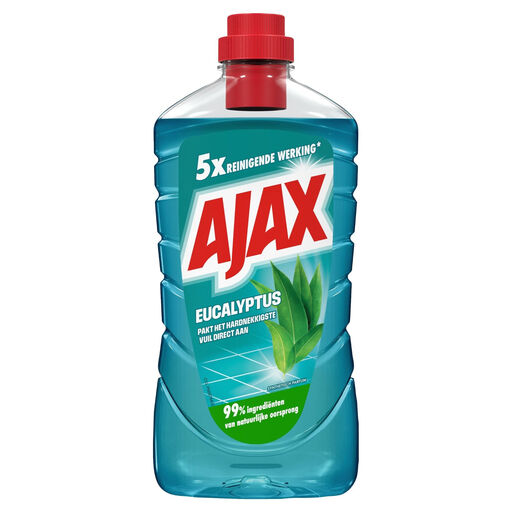
Why it suits this profile: An accessible all-purpose cleaner for households looking for one product for floors, kitchen surfaces and furniture.
The product information lists clear applications and recommends measuring it into a bucket. This helps prevent overdosing during everyday cleaning.
1-litre capacity, pH-neutral according to the product information, and intended for floors, kitchen surfaces and furniture.
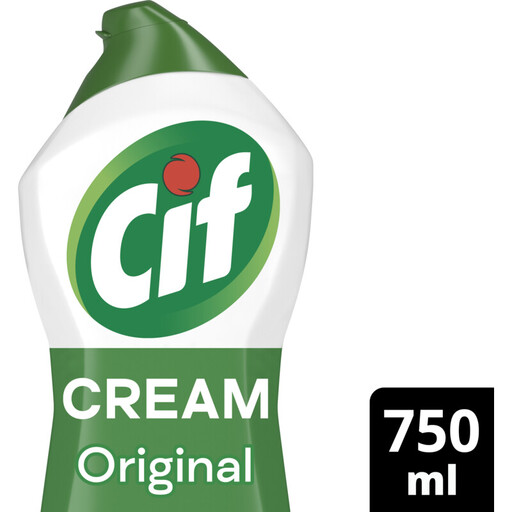
Why it suits this profile: Suitable for anyone looking to tackle stubborn dirt, grease and limescale on tiles and other surfaces.
It is clearly an abrasive cleaner, not a universal floor cleaner. This means you can use it more selectively and avoid sensitive surfaces.
750 ml capacity and a cream formula with natural abrasive ingredients according to the product information.
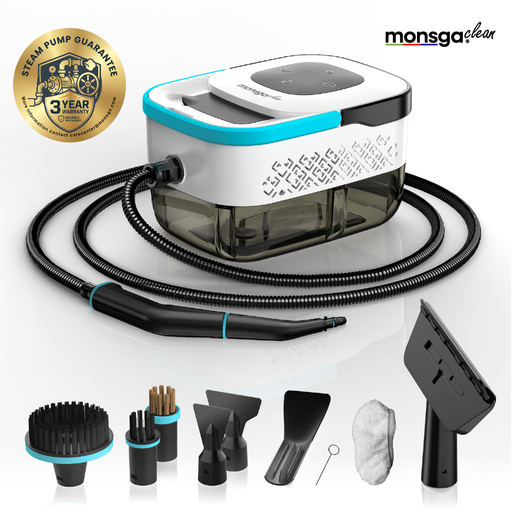
Why it suits this profile: For anyone who regularly wants to clean larger surfaces, grout, kitchen components or car interiors using steam.
The specifications list tank capacity, pressure, heating time and six steam settings. The warnings also make it clear which surfaces should be avoided.
According to the product information: 1.6-litre tank capacity, 15-second heating time and ten accessories.
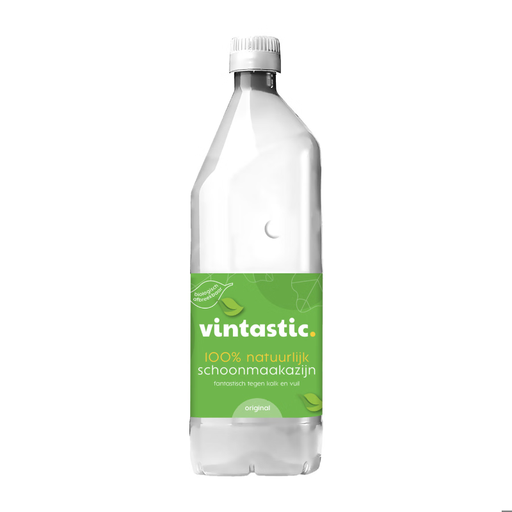
Why it suits this profile: For consumers looking for a product with a natural base and verifiable environmental credentials for cleaning and descaling.
The composition and certifications are listed, so you do not have to rely solely on a general green claim. However, check the material restrictions.
1-litre capacity, EU Ecolabel and vegan certification according to the product information; the bottle is made from recycled HDPE.
We have put together a complete, up-to-date list of products that fully meet these strict selection criteria and the applicable European safety regulations.
A good basic set does not need to be large. Consider:
Never mix different cleaning products. Acidic products in particular, as well as products containing bleach or other active ingredients, can cause unwanted fumes or reactions. Always follow the label and keep cleaning products out of the reach of children.
Start with an all-purpose cleaner, microfibre cloths, a soft cleaning sponge and a product specifically suitable for your flooring. Add a degreaser or abrasive cleaner if you cook frequently or have stubborn dirt to deal with. A steam cleaner is particularly useful if you regularly want to treat larger surfaces without adding cleaning product.
First remove dust and hair with a dry mop. Then use a suitable floor cleaner according to the stated dosage and avoid using too much water. A clean mop or microfibre cloth can also help. Always test each new product on an inconspicuous area first, especially on wood, laminate and natural stone.
No. An environmental certification may say something about ingredients, biodegradability or packaging, but it does not automatically mean that the product is suitable for every application. Check the ingredients, certifications, usage instructions and material restrictions. Even a product with a natural base may be unsuitable for an acid-sensitive floor or delicate finish.
