
Vandaag of morgen in huis

Kwaliteit gegarandeerd

Welkomstaanbiedingen ontgrendelen: GRATIS bezorging | Tot 80% korting | Gratis 30 dagen JoyPlus-proefperiode
Download de app
A cupboard full of cleaning products and laundry detergents may seem convenient, but it can quickly lead to unnecessary spending. Many products overlap, while others are only suitable for a specific surface or type of fabric. For example, an all-purpose cleaner is not automatically suitable for natural stone, and a powerful degreaser can damage delicate materials.
The right choice therefore starts not with an appealing fragrance or a big marketing promise, but with the intended use, the dosage and the safety information on the label.
The term “all-purpose cleaner” sounds broad, but it does not mean the product can be used on every surface without checking first. Think about wood, painted surfaces, natural stone, metal and plastic. Always check the instructions and test a new product on an inconspicuous area first.
For everyday cleaning, products such as a universal cleaner, kitchen cleaner or glass cleaner can be practical. For limescale in the bathroom, a bathroom cleaner is usually a more logical choice than a general-purpose spray.
Overdosing is a common way to waste money. With liquid laundry detergent, using too much can leave residue on clothes or inside the washing machine. Floor cleaners and all-purpose cleaners can also leave streaks or a sticky film when used at a high concentration.
So check the recommended amount, the water hardness and how dirty the items are. Laundry pods are easy to dose, but offer less flexibility when washing a small load or lightly soiled clothing.
Words such as “powerful”, “fresh” or “hygienic” do not always tell you what a product will do in your situation. According to Dettol’s product description, the Multi Spray Citrus is intended to remove stubborn stains and is stated to work against 99.9% of bacteria. Treat this information as a brand claim and always check the label, permitted uses and safety instructions before use.
A fragrance does not necessarily mask the cause of a stain or unpleasant odour. A fabric refresher is designed for dry fabrics and is not a replacement for washing.
Start by choosing the right product category:
For clothing, it is important to consider both colour and fibre type. A detergent for coloured laundry is formulated for coloured clothing according to the product description. For wool, silk or baby clothes, a bleach-free stain remover is a more cautious starting point, but always check the care label.
Do not compare only the price of a bottle; consider the volume and number of uses as well. According to the stated product specifications, a 1.5-litre bottle can provide up to 42 washes when dosed correctly. This gives you a clearer idea of the cost per wash than the shelf price alone.
Also check:
Cleaning products are not ordinary household liquids. Some products can cause skin irritation, serious eye damage or harm to aquatic life. A degreaser may also require ventilation and the use of gloves and eye protection.
Keep these basic rules in mind:
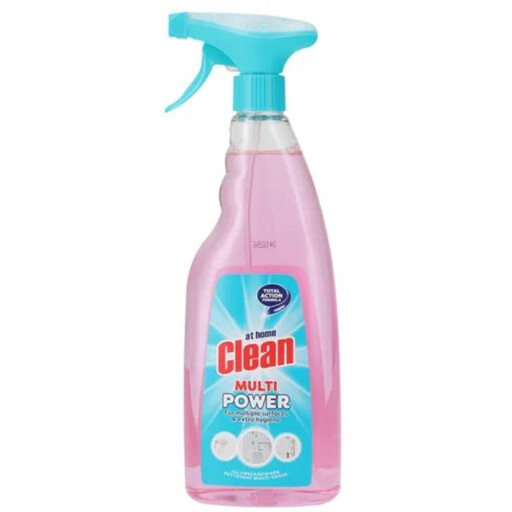
Why it suits this profile: A ready-to-use 750ml spray is practical for everyday cleaning in the kitchen, bathroom and on surfaces such as tables and doors.
The clear spray format prevents you from using too much concentrated product on light, everyday dirt. However, always check that it is suitable for the material.
Ready to use, with a 750ml capacity and, according to the product description, suitable for several household surfaces.
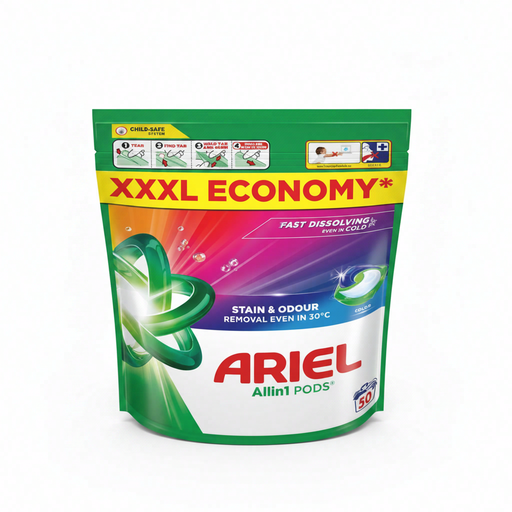
Why it suits this profile: For households that value convenience and precise dosing when washing coloured laundry.
The pod takes the guesswork out of measuring. Use one pod as stated on the packaging and keep the sealed pack out of reach of children.
50 washes according to the product specification, designed for coloured laundry and suitable for use from 30 °C according to the product description.
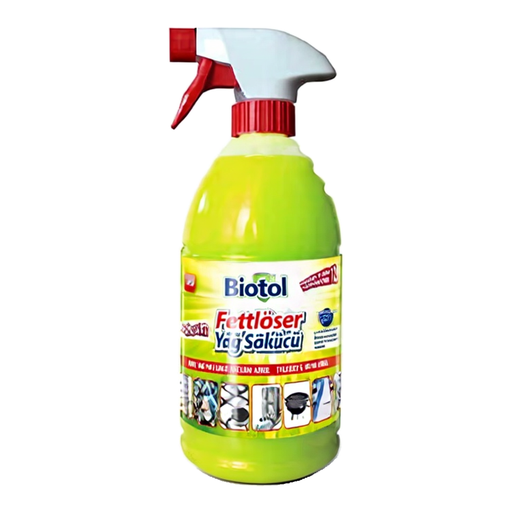
Why it suits this profile: Designed for tackling grease in the kitchen, on ovens, hobs, barbecues, grills and some other surfaces.
This is a targeted degreaser rather than a universal spray. That means you can choose a product based on the type of dirt, but you should test it on a small area first.
1-litre capacity and a spray application; according to the instructions, leave it to work briefly before wiping with a sponge or damp cloth.
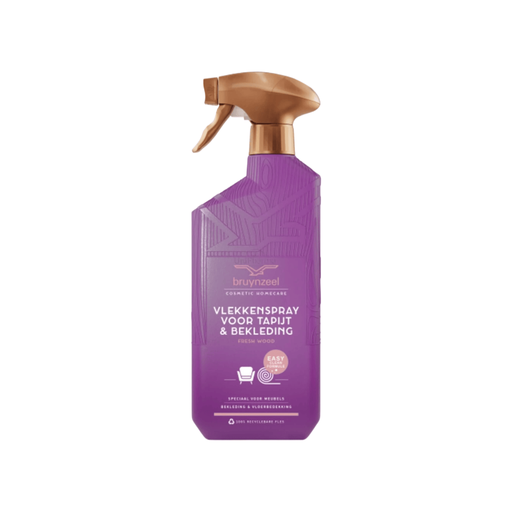
Why it suits this profile: For treating stains on carpets, upholstery, mattresses, chairs or clothing.
The product is specifically designed for textiles, so you do not automatically use a hard-surface cleaner on upholstery. Test colourfastness first.
500ml capacity, designed for several types of textile and, according to the description, easy to use by spraying, dabbing and wiping.
We have put together a complete, up-to-date list of products that fully meet these strict selection criteria and the applicable European safety regulations.
A practical household usually does not need dozens of products. A sensible basic selection could include:
Bleach is not needed for every cleaning task. Only use it on surfaces and materials where the label permits it. Bleach is not automatically suitable for clothing either, particularly coloured or delicate fabrics.
Shelf life varies by product. Check the date, the information about opening and the packaging. Store bottles upright, tightly closed and out of direct sunlight. If the smell, colour or consistency changes significantly, do not use the product without first checking the instructions on the label.
It depends on the price per pack, the number of washes and the required dosage. Pods are convenient and provide a fixed amount, while liquid detergent can offer greater flexibility for small or lightly soiled loads. So compare the cost per wash, not just the shop price.
No. Never mix bleach with other cleaning products. Combinations of bathroom cleaner, degreaser or other chemicals can also produce unwanted fumes. Use one product at a time, follow the label and ensure adequate ventilation.
