
Vandaag of morgen in huis

Kwaliteit gegarandeerd

Welkomstaanbiedingen ontgrendelen: GRATIS bezorging | Tot 80% korting | Gratis 30 dagen JoyPlus-proefperiode
Download de app
A cloth may seem like a simple household essential, but there are big differences in material, size and use. If you focus only on a low price or a large pack, you could end up with cleaning cloths that are awkward to use, become saturated quickly or aren’t suitable for the job.
Look out for these three common pitfalls:
The right choice depends on the cleaning task, how long you want the cloths to last and how you plan to care for them.
Microfibre cloths have fine fibres and are usually used dry or slightly damp. Product information for various microfibre cloths says they’re suitable for dust, dirt and grease on glass, furniture, stainless steel and other smooth surfaces. Always check the care instructions, though. Some cloths should be washed without fabric softener or bleach.
Electrostatic cloths are designed to trap dry dust particles, hairs and fluff. They’re handy for hard floors, skirting boards and hard-to-reach areas. Use them as directed by the manufacturer, usually on a dry surface.
Tea towels and sponge cloths are designed for wet cleaning in the kitchen or bathroom. They absorb moisture, but aren’t as suitable for streak-free cleaning of windows or screens.
The size determines how much surface you can clean in one go and how comfortable the cloth is to hold.
For mop cloths, the fit matters more than the number in the pack. A cloth that doesn’t stay in place can slip while you clean or pick up dirt unevenly.
Reusable cleaning cloths can be more cost-effective over time, especially if you clean regularly. Check the maximum washing temperature and avoid fabric softener if the product information says it could reduce the fibres’ effectiveness.
Disposable cleaning cloths are handy when you don’t want to rinse out a cloth after a messy job. They’re useful for quick clean-ups, homes with pets or office environments. Bear in mind how many you’ll use and how much waste they’ll create. A large pack is only good value if the size and intended use really suit your routine.
This guide can help you put together a set of cleaning cloths:
Where possible, use different colours for different areas. That way, you won’t end up using a cloth that’s been used in the bathroom on the kitchen worktop.
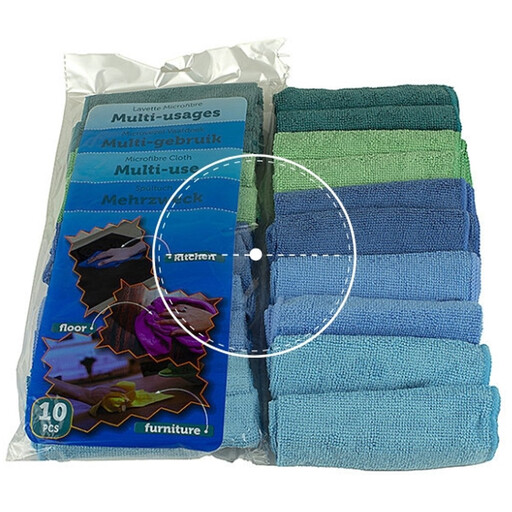
Why it suits this type of user: The set contains 10 microfibre cloths measuring 30 × 30 cm. The different colours make it easy to keep cloths for the kitchen, furniture and other areas separate.
You’re not choosing based on the number of cloths alone: the size, reusability and colour coding are all clearly stated.
10 cloths, 30 × 30 cm, machine washable according to the product information, and suitable for dust, dirt and stains.

Why it suits this type of user: The stated density of 260 g/m² gives you a clear point of comparison if you’re looking for a durable microfibre cloth for use in several rooms.
The choice is based on verifiable details such as material, size and density, not just general terms like “multi-purpose”.
30 × 30 cm, 260 g/m², reusable and washable up to 60 °C according to the product information.
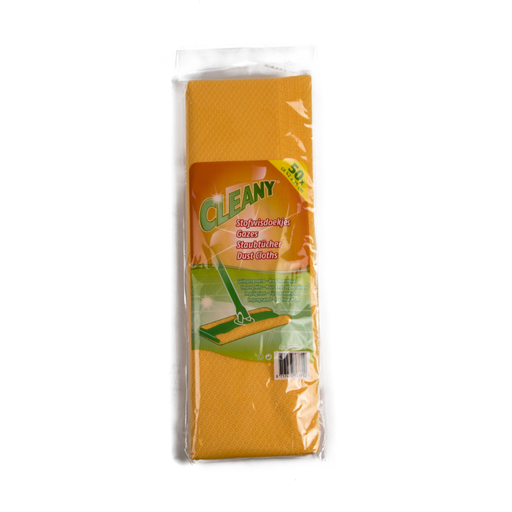
Why it suits this type of user: For homes with a lot of floor space or frequent cleaning routines, a pack of 50 disposable cloths provides a ready supply.
The pack states both the quantity and the size, so you can check in advance whether 42 × 25 cm will fit your floor mop.
50 cloths, 42 × 25 cm and suitable for laminate, parquet, tiles and PVC, among other surfaces, according to the product information.
We’ve put together a complete, up-to-date list of products that meet these strict selection criteria and current European safety regulations.
Choose glass cloths or fine microfibre cloths. First remove any loose dust and dirt to avoid scratches from grit. Then use a dry or slightly damp cloth, following the product instructions. Using a separate cloth for glass helps prevent grease residue from tea towels getting onto the glass.
It depends on what you use them for. Wash a cloth after using it on a worktop, floor or in the bathroom if it’s visibly dirty or saturated. Follow the instructions on the packaging. The stated washing temperature for the 260 g/m² microfibre cloth mentioned above is up to 60 °C; don’t use fabric softener if the product information advises against it.
It depends on how often you use them. Disposable cloths have a low upfront cost and are handy when you want to replace a cloth quickly. If you mop every day, reusable cloths may work out cheaper because you won’t need to buy new packs as often. So compare the cost per use, the number of cloths and the care instructions, rather than looking only at the price of the pack.
