
Vandaag of morgen in huis

Kwaliteit gegarandeerd

Welkomstaanbiedingen ontgrendelen: GRATIS bezorging | Tot 80% korting | Gratis 30 dagen JoyPlus-proefperiode
Download de app
A cloth may seem like a simple household product, but differences in material, size and care can make a real difference to how easy it is to use. A cloth that is too small quickly becomes saturated, a smooth cloth can leave streaks behind, and using the same tea towel for everything can cause cross-contamination between rooms.
When buying cleaning cloths, it is therefore best not to focus solely on the number of pieces or a low price. Below, we cover the main pitfalls, technical features and practical choices for the kitchen, bathroom, windows, furniture, floors and car.
A set of 20 or 30 cloths may seem like good value, but always check the size and material. Some small dusting cloths are particularly useful for quickly wiping surfaces, while floors require a much larger model. So do not just compare the price per pack, but also the price per usable cloth.
A cloth for glass, a cloth for greasy surfaces and a floor cloth do not have the same structure. Where possible, use separate microfibre cloths for windows and mirrors, separate tea towels for the kitchen, and larger cleaning cloths for furniture or floors. This helps prevent dirt and grease from being spread from one room to another.
‘Reusable’ does not automatically mean that every cleaning method is suitable. Check the washing instructions on the packaging. Some microfibre cloths specify washing at a maximum of 40 or 60 °C and advise against using fabric softener or bleach. Fabric softener can affect the fibre structure. Always follow the manufacturer's product information.
Microfibre generally consists of very fine synthetic fibres and is often used for dry dusting or damp cleaning. Product information for various cloths states that they are suitable for smooth surfaces such as glass, stainless steel and screens. However, check whether the cloth is lint-free and whether use on delicate surfaces is explicitly stated.
Cotton, cellulose, bamboo fibres and viscose have different properties. A terry tea towel can absorb a lot of moisture, while a structured glass cloth is designed for wiping windows or mirrors. According to the product information for the Multy g’woon tea towels, they are OEKO-TEX certified and made from bamboo fibres. A certification mark or material description is easier to verify than a general claim such as ‘extra hygienic’.
The size determines how much surface you can clean with each movement and how often you need to rinse the cloth.
A larger size is not always more convenient. For screens, glasses lenses or small decorative surfaces, a medium-sized cloth often gives you more control.
For wet cleaning, absorbency and drying time are important considerations. A highly absorbent cloth takes up more moisture, but it must also be able to dry completely afterwards. Hang cloths spread out and only put them away once they are dry.
Also check:
According to the product information, the Cleany microfibre cloth set contains 10 cloths measuring 30 x 30 cm. Different colours allow you to reserve one colour for the kitchen, bathroom and car, for example. This makes usage more organised without interpreting the manufacturer's performance claim as a guaranteed result.
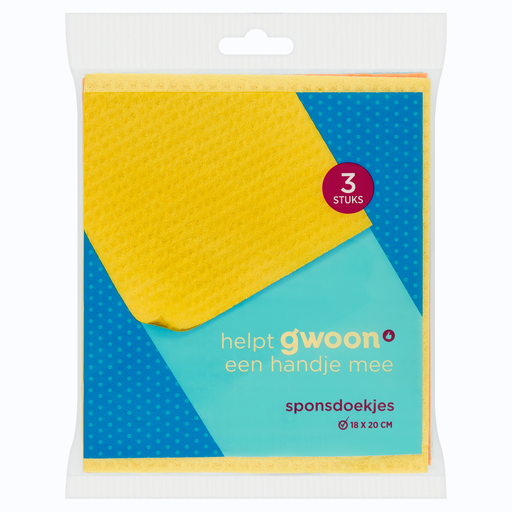
Why it suits this profile: This set is a simple starting point for the kitchen and bathroom. According to the product information, the cloths should be rinsed with warm water before first use.
The intended use is clearly described for the kitchen and bathroom, so you do not have to confuse these tea towels with glass or floor cloths.
Set of 3; suitable for a range of wet cleaning tasks around the home.

Why it suits this profile: The stated density of 260 g/m² and size of 30 x 30 cm provide clear specifications for anyone specifically looking for a robust microfibre cloth.
The density, dimensions and washing instructions of up to 60 °C are specified. You therefore do not have to rely solely on vague terms such as ‘extra thick’.
260 g/m²; 30 x 30 cm; according to the product information, suitable for the home, car, office and delicate surfaces.
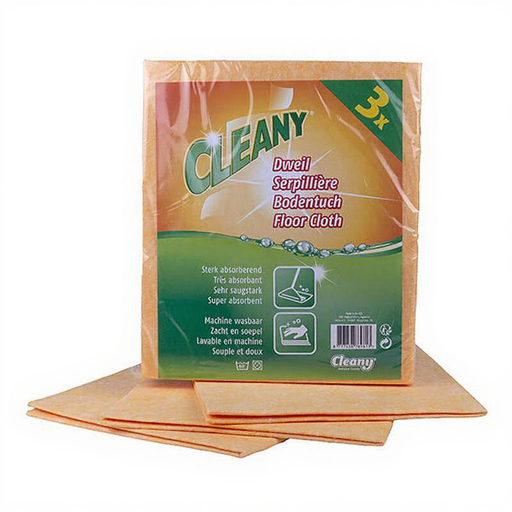
Why it suits this profile: This set is designed for larger surfaces. Measuring 50 x 60 cm, it is suitable for mopping and wet-cleaning floors.
The large size means you do not have to use a small cleaning cloth for a task where a floor cloth is more practical.
Set of 3; size 50 x 60 cm; intended for various surfaces.
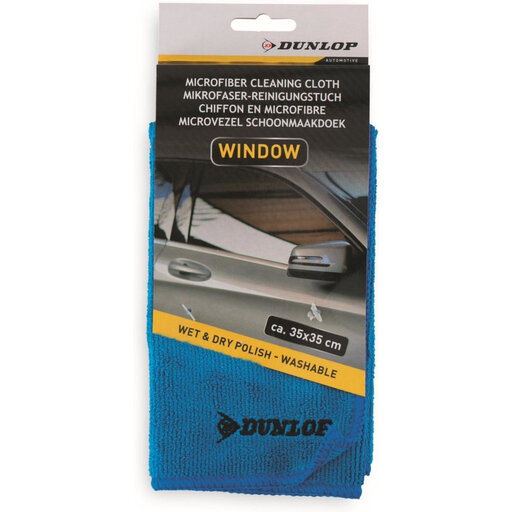
Why it suits this profile: According to the product description, this cloth is intended for glass and car windows. Measuring 35 x 35 cm, it is suitable for controlled window cleaning and car interiors.
Its intended use for glass is specifically stated. This is clearer than a general description of a cloth for ‘all surfaces’.
35 x 35 cm; 100% viscose according to the product information; can be rinsed with warm or cold water.
We have compiled a complete, up-to-date list of products that fully meet these strict selection criteria and the applicable European safety regulations.
Create a simple colour or room system. For example, use one colour for the kitchen, one for the bathroom and one for the car. Wash dirty cloths according to the label and allow them to dry thoroughly. For windows, first use a cloth that removes coarse dirt, followed by a clean glass cloth for the finishing touches.
For screens and other delicate surfaces:
For floors, large floor cloths are more practical than small microfibre cloths. Compact dusting cloths are sufficient for furniture and everyday dusting. A cleaning cloth set containing different sizes can offer good value when you combine several household tasks.
It depends on how they are used. Wash cloths after intensive wet cleaning, when visibly dirty or after contact with grease. A cloth used for light daily dusting can be used for longer, provided it remains dry and clean. Always follow the washing label.
Choose a cloth measuring approximately 30 x 30 to 35 x 35 cm, with a structure that the product information states is suitable for glass. Remove sand and coarse dirt first to help reduce the risk of scratches from loose particles. Then use a clean cloth for the final wipe.
This depends on the purchase price, lifespan and care requirements. Reusable cleaning cloths can last through several washes, but only if you wash them according to the instructions and replace them when necessary. Compare the number of pieces, material, washability and expected frequency of use rather than looking only at the price at the time of purchase.
