
Vandaag of morgen in huis

Kwaliteit gegarandeerd

Welkomstaanbiedingen ontgrendelen: GRATIS bezorging | Tot 80% korting | Gratis 30 dagen JoyPlus-proefperiode
Download de app
A good cleaning cloth may seem like a simple product, but you quickly notice the difference between a useful cloth and a poor purchase. Some cloths leave fluff on glass, others absorb hardly any moisture or become stiff after just a few washes. If you only look at the price or the number of cloths, you may end up paying twice.
With this practical guide, you can compare cleaning cloths by material, size, washability and purpose. This makes it easier to find a suitable microfibre cloth, dishcloth, glass cloth or polishing cloth for your home, car, office or small business.
A cleaning cloth set with lots of pieces may seem like good value, but the material and size determine how useful each cloth is. A thin cloth may be suitable for light wiping, but less practical for wet surfaces or intensive everyday use. Always check the dimensions, weight and material composition.
A dishcloth for the worktop is not automatically suitable for windows or a computer screen. Grease, dust and cleaning products can be spread around when you use the same cloth in several places. Ideally, use separate cloths for:
A colour-coding system helps you keep these uses separate.
Terms such as “streak-free”, “lint-free” and “extra absorbent” are only useful when supported by specific product information. Look at the weave, finish, size and washing instructions. According to the supplier’s own information, a microfibre cloth can absorb dirt and grease, but the result also depends on the surface, the amount of water and the cleaner used.
A microfibre cloth is generally made from extremely fine synthetic fibres. A higher density, expressed in g/m², can indicate a fuller weave. According to the product description, the Microfibre Cloth measuring 30 x 30 cm has a density of 260 g/m². This is a specific detail you can use to compare it with other options.
A soft, lint-free cloth is practical for glass, mirrors, stainless steel and some delicate surfaces. When cleaning screens, always use very little moisture and follow the device manufacturer’s instructions.
The right size depends on the task:
A larger cloth holds more moisture, but may be more difficult to wring out. For everyday tasks, a medium-sized cloth may therefore be more convenient.
A machine-washable cleaning cloth can be more economical over time than disposable wipes. However, check the temperature and care instructions. The microfibre cloth mentioned above is listed as washable at up to 60 °C, without fabric softener. Fabric softener can affect the properties of microfibre. Allow the cloth to air-dry or use a low drying setting when this is permitted according to the label.
Do not leave used cloths damp for long periods in a sealed bucket or laundry basket. This can cause unpleasant smells. Ideally, wash cloths used for the kitchen, bathroom and car separately.
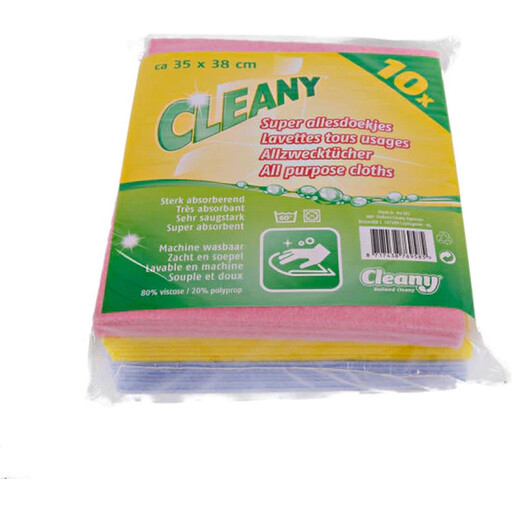
Why it suits this profile: A set of 10 dishcloths is practical for households that wash dishes every day and want several cloths available.
The number of cloths is clearly stated, so you do not have to rely solely on a general claim about value for money.
10 cloths, machine-washable according to the product information, and designed for washing-up and wet cleaning.

Why it suits this profile: This compact polishing cloth is ideal for anyone looking for one versatile cloth for the kitchen, bathroom, car, office and delicate surfaces.
The product information states both the size and the density of 260 g/m². This makes it easier to compare than a cloth described only with marketing language.
30 x 30 cm, lint-free texture according to the product description, and machine-washable at up to 60 °C according to the stated instructions.
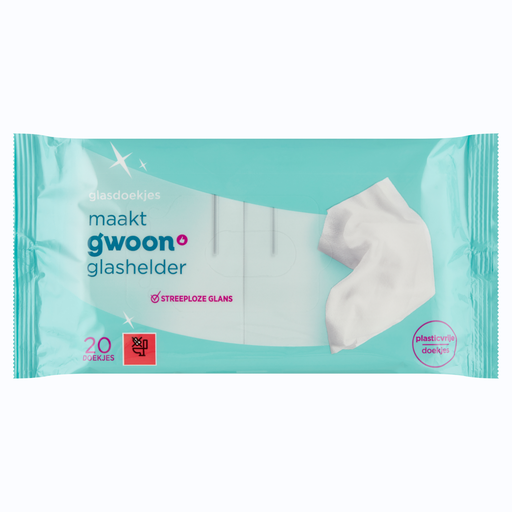
Why it suits this profile: Suitable for homes, offices and shops where windows, mirrors or other glass surfaces are cleaned regularly.
A separate glass cloth prevents grease or kitchen cloths from spreading dirt across windows. According to the instructions, remove coarse dirt and dust first.
20 cloths and instructions for working from top to bottom and using circular movements.
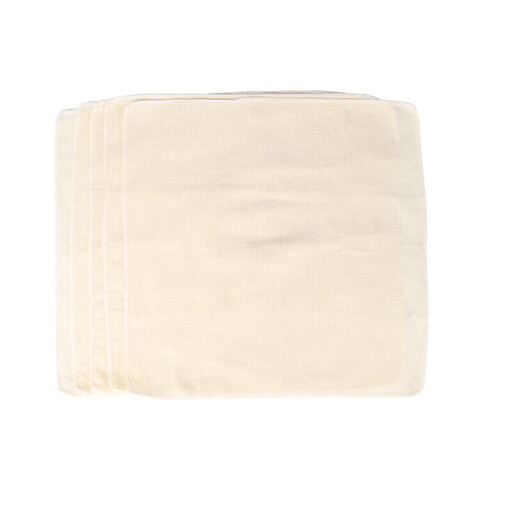
Why it suits this profile: The set of five cloths and the 36 x 36 cm size are suitable for anyone who wants to allocate different general cleaning tasks across several cloths.
The number of cloths and their size are specified in the product name. Before use, check the label and the instructions on the packaging.
Pack of 5 and 36 x 36 cm size; suitable for assigning cloths by room or cleaning task.
We have put together a complete, up-to-date list of products that meet these strict selection criteria and the applicable European safety regulations.
Use a cloth dry for light dusting and slightly damp for more thorough cleaning. Do not make a surface wetter than necessary, and remove any cleaning-product residue after washing. For glass, it helps to remove sand and dust first. This reduces the risk of scratches and streaks.
When cleaning a car, you can use different absorbent cloths for separate areas. A cloth for the dashboard should not be the same as one used for dirty wheel rims. For small businesses, a simple colour-coding system is useful: for example, one colour for sanitaryware, one for the kitchen and one for glass.
A special glass cloth or lint-free microfibre cloth is a sensible choice. Use the cloth on a clean surface and remove coarse dust first. Follow the recommended method on the packaging. A dishcloth can absorb moisture, but is more likely to leave fibres or streaks on glass.
This depends on how it is used. Wash a cloth after intensive cleaning, when visibly dirty or when it starts to smell unpleasant. Kitchen and bathroom cloths generally need washing more often than a cloth used only for dry dusting. Always check the care label; the microfibre cloth mentioned above is listed as washable at up to 60 °C.
A reusable cleaning cloth can work out cheaper when you use it several times. When comparing options, consider more than just the purchase price: also look at the number of cloths, washing instructions and expected lifespan. Wash the cloths carefully and do not use fabric softener when the product label advises against it.
