
Vandaag of morgen in huis

Kwaliteit gegarandeerd

Welkomstaanbiedingen ontgrendelen: GRATIS bezorging | Tot 80% korting | Gratis 30 dagen JoyPlus-proefperiode
Download de app
Cleaning wipes may seem straightforward, but the difference between a practical purchase and money wasted often comes down to small details. Some wipes dry out quickly, are too small for the surface or turn out to be less suitable for sensitive skin than the packaging suggests. Terms such as “extra large”, “biodegradable” and “suitable for all surfaces” also deserve a critical look.
In this buying guide, you’ll learn what to look for when choosing cleaning wipes, microfibre cloths, wet wipes and personal care products. This will help you choose the right option for use at home, on the go, while travelling or as part of your daily skincare routine.
A pack containing a large number of wipes may seem appealing, but also check the size and material. In practice, forty small wipes may be less useful than twenty larger cleaning cloths. Divide the price by the number of wipes and compare the dimensions as well.
With disposable washcloths, it is also important to check whether they are dry or already impregnated. You can moisten dry wipes yourself with water, while wet wipes are ready to use straight away.
Words such as “mild”, “natural” or “for sensitive skin” do not tell you everything. Check the ingredients list and pay particular attention to perfume, alcohol, essential oils and acids. A product may be described by the manufacturer as suitable for sensitive skin, but still not suit every user.
According to the manufacturer’s own information, some Bonbebe wipes are free from alcohol and artificial fragrances. Always check the current packaging, particularly when using them on babies or when someone is prone to skin irritation. Stop using the product if irritation occurs.
According to their product descriptions, some moist toilet wipes are marketed as flushable and biodegradable. This is a brand claim, not a general guarantee for every sewer system or quantity of wipes. In the Netherlands, it is advisable to flush toilet paper only and put moist toilet wipes in the bin. This reduces the risk of blockages.
The material determines what you can use the wipe for:
For windows, mirrors and glossy furniture, choose a cloth that leaves behind as little lint as possible. For a hob or worktop, a cloth with good absorbency is more practical than a thin personal care wipe.
For everyday cleaning, dimensions of around 30 × 30 cm are practical. Smaller cleaning pads are mainly suitable for the face or small surfaces. Extra-large moist wipes can be useful for spills, but they also take up more storage space.
When buying a value pack, check:
A resealable pack helps keep moist cleaning wipes usable for longer. Close the pack immediately after use to limit drying out.
Washable cleaning cloths should be rinsed thoroughly after use and allowed to dry completely. Do not routinely wash microfibre with fabric softener, as this can reduce its absorbency. Keep separate cloths for the kitchen, bathroom, windows and personal care. This is more hygienic and prevents cleaning residues from coming into contact with the skin.
When using facial cleansing pads, it is important to follow the instructions. Products containing AHA, BHA or other exfoliating ingredients are not the same as ordinary facial wipes. According to product information from brands such as celimax and medicube, some pads contain exfoliating ingredients. Do not use these on damaged skin and stop if you experience an unpleasant reaction.
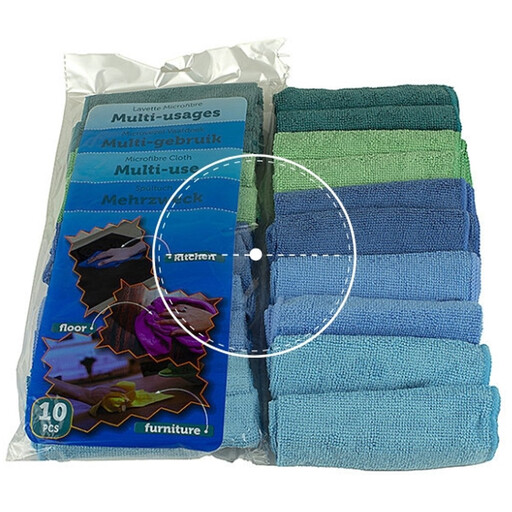
Why it suits this profile: A set of ten washable microfibre cloths for different rooms and everyday cleaning tasks.
The pack clearly states the quantity of 10 and the size of 30 × 30 cm. You can allocate the cloths to different rooms and wash them for reuse.
Microfibre material, reusable and available in a range of colours.
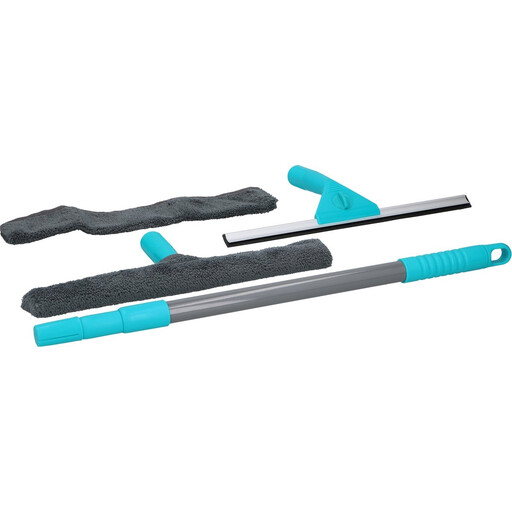
Why it suits this profile: For households that clean their windows regularly and want a complete set with a handle and interchangeable parts.
The set clearly states which five parts are included. The handle can be adjusted from 57 to 130 cm.
Includes a window squeegee, window washer, two microfibre cloths and a telescopic handle.
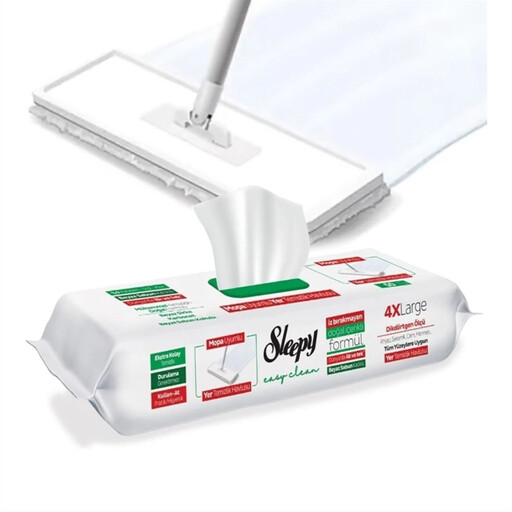
Why it suits this profile: For quickly cleaning up spills, larger surfaces or use during a busy day.
The product information states a size of 25 × 25 cm and a resealable pack. This means the size and storage convenience are clear in advance.
50 wipes per pack, 4XL size and suitable for quick cleaning tasks according to the product description.
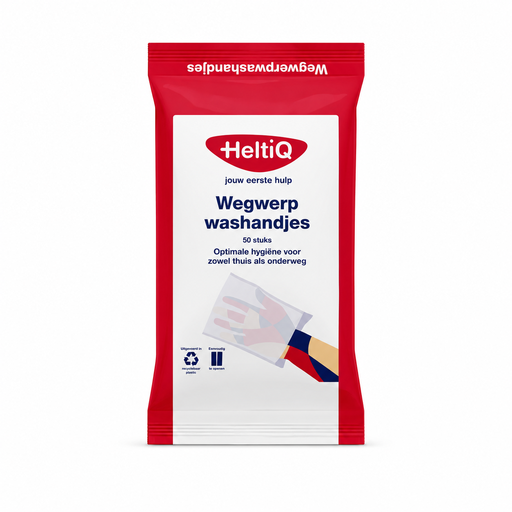
Why it suits this profile: Dry disposable washcloths for travelling, camping, sport, home care or personal care.
These wipes are dry and not impregnated. You therefore know in advance that you add the water yourself, rather than relying on a liquid that may dry out quickly.
Large size, 50 pieces per bag and suitable for hands, feet and body according to the product information.
We’ve compiled a complete, up-to-date list of products that fully meet these strict selection criteria and the applicable European safety regulations.
Ordinary cleaning cloths are not suitable for the face. Choose facial wipes, cleansing pads or cotton pads that are clearly intended for cosmetic use. The Derlon Cotton Discs Duo Pack contains 140 cotton pads with one smooth side and one textured side. According to the product information, they are intended for uses including applying toner, removing make-up and cleansing the skin. Use them once only and externally.
For baby wipes or products for sensitive skin, a well-sealed pack and a clear ingredients list are important. The Bonbebe Aloe Vera Wet Wipes 40 Pieces are marketed according to the product description for hands, face and nappy changing. The manufacturer states that they contain no alcohol or artificial fragrances. Check the packaging and do not use them on irritated skin without testing them carefully first.
It depends on how often you use them and how well you care for them. Washable microfibre cloths can last through multiple cleaning sessions, but they need to be washed and dried. Disposable wipes are more convenient when travelling or for one-off situations, but they create more waste.
Close the pack immediately after use. Store it away from direct sunlight and heat. If you use a tub of cleansing pads, the lid must also be closed properly. A resealable strip or flip-top helps, but does not prevent drying out indefinitely.
Always check the local guidelines. Even when a brand describes a wipe as flushable in its own product information, flushing it can still create a risk of blockages. In practice, putting it in the bin is the safest option.
