
Vandaag of morgen in huis

Kwaliteit gegarandeerd

Welkomstaanbiedingen ontgrendelen: GRATIS bezorging | Tot 80% korting | Gratis 30 dagen JoyPlus-proefperiode
Download de app
The cleaning aisle can be overwhelming. Bottles promise sparkling results and effortless cleaning sessions. But often, you're paying for marketing slogans that deliver little in practice. Before you fill your shopping basket, it's helpful to know what to look for to avoid wasting money on products that don't work for your situation.
Many consumers fall for a few common traps:
all-purpose cleaner that promises to tackle grease, limescale, and dirt on any surface sounds ideal. In reality, these products are often a compromise. They're fine for a quick, light clean, but for caked-on grease in the kitchen or limescale buildup in the bathroom, you'll still need a specialised product.laundry detergent or cleaning agent more cost-effective in the long run.To avoid a bad buy, it's useful to look at a few concrete specifications instead of being swayed by the packaging.
Not every cleaning product is formulated the same way. Its effectiveness depends on the active ingredients, which are tailored to a specific type of dirt.
toilet cleaner also often contains acids to remove limescale and uric scale.A powerful product can also damage your surfaces. Always check the label to see if the product is safe for the material you want to clean.
Always read the safety instructions. For some powerful household products, like a drain cleaner or an anti-mould agent, wearing gloves and ensuring proper ventilation is necessary.
Not everyone has the same cleaning needs. Below are a few popular choices, linked to specific situations.
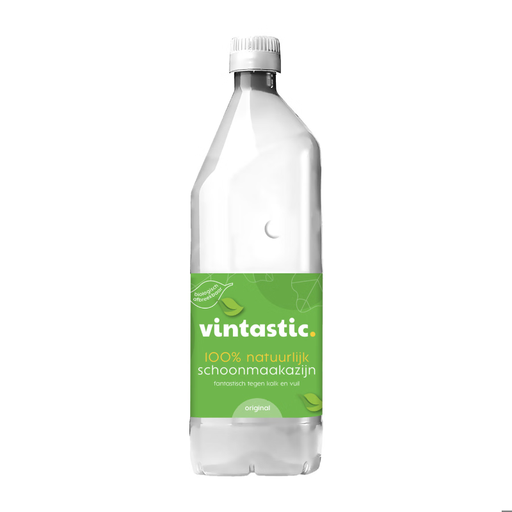
Why This Fits Their Persona: For those who need a basic cleaning kit without spending a lot, this is a smart choice. It's a versatile product for descaling, cleaning windows, and as a fabric softener.
This product avoids the trap of vague 'green' claims. It's simply 100% natural cleaning vinegar, without expensive marketing. What you see is what you get.
Effective for descaling and cleaning. Completely natural and biodegradable. Carries the EU Ecolabel and is vegan certified.
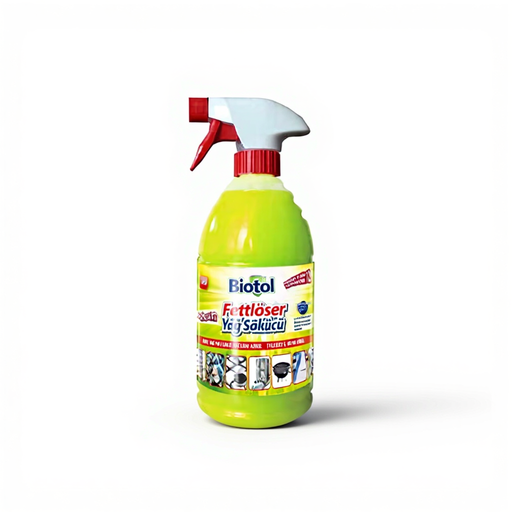
Why This Fits Their Persona: In a household with children, the kitchen is often a hotspot for grease and caked-on food. A powerful degreaser saves time and effort when cleaning the stove, sink, or barbecue.
This product bypasses the "all-in-one" myth. It's not an all-purpose cleaner, but a specialised degreaser. It does one thing, but according to the manufacturer, it does it powerfully.
Powerful formula designed for stubborn grease. According to the product description, it's suitable for various surfaces, from stoves to pans.
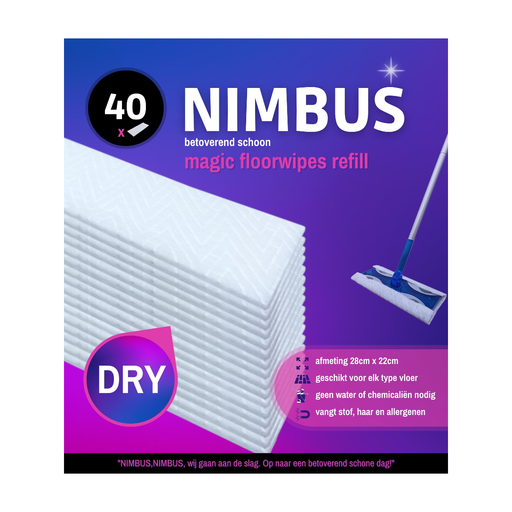
Why This Fits Their Persona: Pet hair and dust are a constant challenge. These static floor wipes are designed to attract and trap hair, dust, and allergens, which is more effective than a broom that just spreads everything around.
This product tackles the frustration of ineffective tools. Instead of just moving dust around, it uses static electricity to address the problem at the source and trap dirt.
Thousands of static fibres trap dust and hair. The universal fit makes it compatible with many existing floor sweeper systems, such as those from Swiffer.
We have compiled a complete, up-to-date list of products that meet these selection criteria and comply with current regulations.
An all-purpose cleaner is designed for general, light dirt on various surfaces. It is a diluted, multi-functional product. A degreaser is a specialised, more powerful agent with a higher concentration of surfactants, specifically intended to break down stubborn grease and oil in places like the kitchen.
No, cleaning vinegar is an acid and can damage certain materials. It is very effective for descaling taps, showerheads, and kettles, and for cleaning glass. However, do not use it on natural stone surfaces like marble or granite, as the acid can etch the material and cause dull spots. Always read the instructions from the surface manufacturer.
This depends on usage. In a kitchen where a lot of grease is used, it may be wise to use a maintenance dose of a liquid or gel drain cleaner once a month to prevent the buildup of grease and food scraps. In the bathroom, where hair is the main culprit, a hair catcher in the drain can prevent many problems. Use a drain cleaner primarily when you notice water draining more slowly.
