
Vandaag of morgen in huis

Kwaliteit gegarandeerd

Welkomstaanbiedingen ontgrendelen: GRATIS bezorging | Tot 80% korting | Gratis 30 dagen JoyPlus-proefperiode
Download de app
The cleaning aisle can be overwhelming. Dozens of bottles promise a spotless and hygienic home. But which products live up to their promises, and which are just clever marketing? Many households unnecessarily waste money on products that don't work or, worse, cause damage. Before you toss another random bottle into your basket, it's wise to understand the most common pitfalls.
A frequent mistake is falling for the "all-in-one" promise. A product that claims to tackle grease, limescale, and bacteria simultaneously is often not truly excellent at any of those tasks. The result? You end up buying a separate degreaser or a more powerful bathroom cleaner anyway. Another pitfall is the confusion between different active ingredients. Using a strong bleach on a delicate surface can cause permanent damage, while a mild cleaner will do little for a dirty toilet bowl. By understanding the basic principles, you can choose more effectively and save money.
You don't need to be a chemist to make the right choice. However, it helps to know which ingredients are suitable for which job. Pay attention to the following specifications on the labels of household cleaning products.
Cleaner Type: The foundation of your choice. An all-purpose cleaner is intended for general, light cleaning on various surfaces. For specific problems, you need a specialised product.
Active Ingredients: This determines the product's strength and purpose.
Formula and Application: The form of the product is important for ease of use.
Not everyone needs the same cleaning supplies. We've highlighted some popular choices and matched them with a suitable user profile.
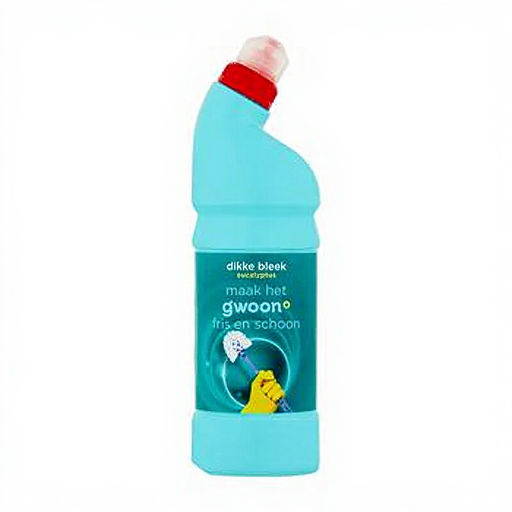
Why This Fits Their Persona: Ideal for those seeking a reliable and affordable product for the most essential hygiene task: the toilet. No frills, just an effective solution for a clean bowl.
This product doesn't pretend to be an 'all-in-one' miracle. It's a straightforward thick bleach, specifically designed for toilets and sanitary ware. It does one thing, and it does it well.
The thick formula ensures it clings well to the toilet bowl. According to the manufacturer, it is effective against limescale and provides a fresh, clean result.
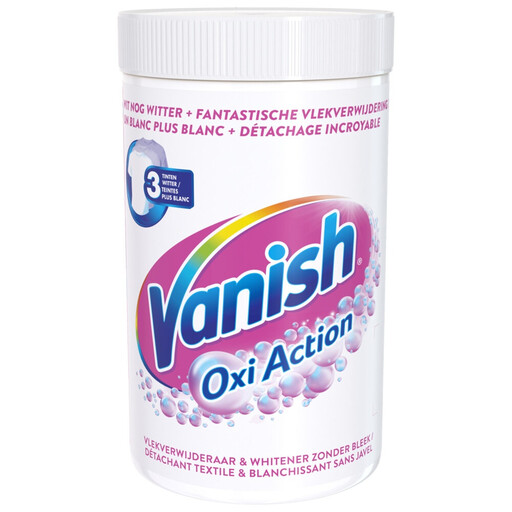
Why This Fits Their Persona: Families with children know the drill: grass, mud, and food stains are a daily occurrence. A specialised stain remover isn't a luxury—it's a necessity for saving clothes.
This product avoids the mistake of using chlorine bleach on (white) clothing. According to Vanish, its active oxygen-based formula is a stain remover without bleach, which reduces the risk of fabric damage.
Versatile in use: it can be applied as a pre-treatment, used for soaking, or added directly to the washing machine. The large packaging is convenient for frequent use.
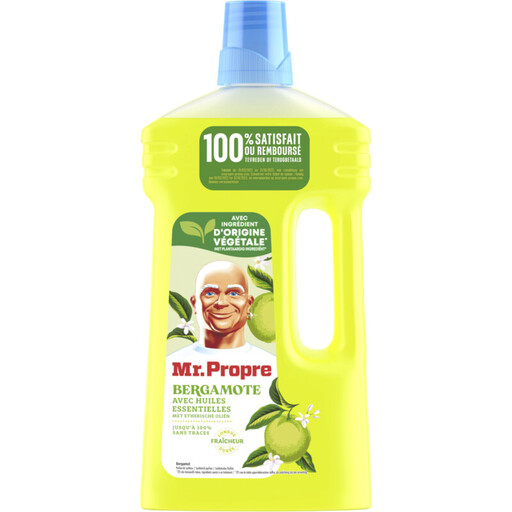
Why This Fits Their Persona: For those who want to clean quickly and effectively every day and value a pleasant scent and a streak-free finish. This is an all-purpose cleaner that makes the cleaning experience more enjoyable.
This product is a prime example of an all-purpose cleaner that delivers on its promise for general use. It doesn't claim to solve extreme problems but focuses on effective daily cleaning of hard surfaces.
According to Mr. Proper, this product removes up to 100% of dirt and grease and leaves no streaks behind. The addition of essential oils provides a pleasant bergamot scent.
For specific disinfection jobs, a good bleach is indispensable. We have compiled an up-to-date list of effective products.
Thick bleach has a higher viscosity. This means it is more syrupy and therefore adheres better to vertical surfaces, such as the inside of a toilet bowl. This gives the active ingredients more time to work on dirt and bacteria. Regular, thin bleach is more liquid and is more often used diluted in a bucket of water for cleaning larger surfaces like floors.
While an all-purpose cleaner is very versatile for daily chores like wiping down countertops or mopping the floor, it is often not the most effective solution for specific, stubborn problems. For heavy limescale in the shower, a special bathroom cleaner with acids is typically more powerful. For hygienically cleaning the toilet, a toilet cleaner with bleach is a more suitable choice.
Always read the instructions on the label of both the stain remover and the garment itself first. Preferably, choose a product that explicitly states it is safe for colours, often based on active oxygen instead of chlorine. A good practice is to first test the product on a small, inconspicuous part of the fabric, such as the inside of a hem, to check that the colour does not fade.
