
Vandaag of morgen in huis

Kwaliteit gegarandeerd

Welkomstaanbiedingen ontgrendelen: GRATIS bezorging | Tot 80% korting | Gratis 30 dagen JoyPlus-proefperiode
Download de app
A full cleaning cupboard doesn’t automatically mean you have the right cleaning supplies. A cheap sponge can scratch surfaces, a feather duster can move dust around instead of picking it up, and a floor mop may prove awkward if its head is too small. For everyday cleaning products in particular, the material, size and intended use all matter.
When comparing products, don’t focus only on attractive packaging or a high item count. Check what you’re actually getting, which surfaces the product is designed for and how to care for it after use.
A cleaning set with lots of items may look like good value, but check what’s included and the size of each item. A large pack of scouring pads can be handy for a household with several people, while a student may be better off with one reliable microfibre cloth and a compact broom and dustpan.
Check the quality of each item, too. A set of 28 scouring sponges, for example, gives you plenty in reserve, but the sponge is intended mainly for everyday use and isn’t automatically suitable for every delicate surface.
A wire brush can help remove baked-on residue from a barbecue or oven rack. However, the same type of brush can damage glass, varnished wood, plastic or a delicate hob. Only use steel wool pads if the material of the surface you’re cleaning can withstand them.
Microfibre cloths and a mop and bucket can be used repeatedly, but only if you rinse them thoroughly and let them dry. Wash microfibre according to the label, and avoid fabric softener if the product information advises against it. A damp cloth left in a closed cupboard will start to smell unpleasant more quickly.
For smooth, delicate surfaces, soft, low-lint microfibre is often more practical than an abrasive scourer. A cloth weighing 260 g/m², such as the 30 × 30 cm microfibre cloth mentioned here, has a clear product specification that makes it easier to compare with other cloths.
For stubborn dirt, a green scouring pad or stainless steel scrubber may be suitable. Always test it on an inconspicuous area first, and don’t use steel wool pads on surfaces that scratch easily.
A duster with a long or flexible handle can reach under furniture and along skirting boards. A flat-headed floor mop is handy in low spaces, while a broom and dustpan with long handles mean less bending. As well as checking the length, make sure you have somewhere to store the product.
For narrow grout lines, tracks and gaps, a slim cleaning brush is more useful than a wide one. The JORDAN&JUDY Long Handle Gap Cleaning Brush comes as a set of three; the product description says it’s designed for hard-to-reach spots. Use it dry or damp according to the instructions, and keep it dry after use.
Check whether a product has refills and how its parts should be cleaned. A feather duster with replaceable refills can be handy if you dust regularly. A mop and bucket is a better choice if the mop head can be washed or replaced. Also consider drying time: a mop that can’t air properly will stay damp for longer.
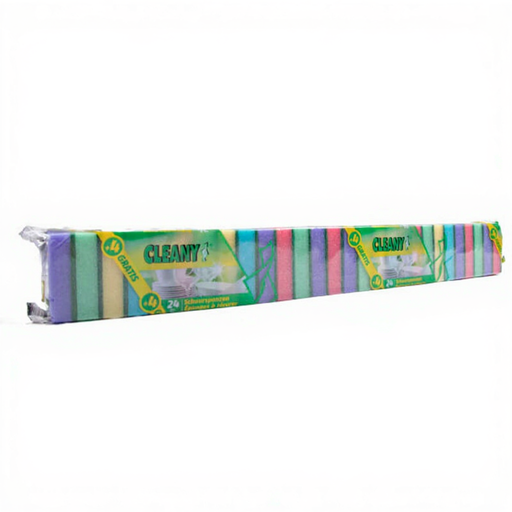
Why it suits this profile: This set gives you plenty in reserve for the kitchen, bathroom, garage or student accommodation. Each sponge measures 85 × 55 × 25 mm and has a soft side and an abrasive side.
The contents and dimensions are clearly stated. Don’t use the abrasive side on delicate materials, and test it on a small area first.
28 sponges; two sides for different cleaning jobs; suitable for wet and dry use.

Why it suits this profile: This cloth is a good fit for households looking for one compact cloth for the kitchen, bathroom, car or office. The product information gives its density as 260 g/m² and says it can be machine-washed at up to 60 °C.
Its specifications make it easy to compare with other cloths: the size, material, density and washing instructions are all clearly stated.
Low-lint; reusable; suitable for smooth and delicate surfaces according to the product description.
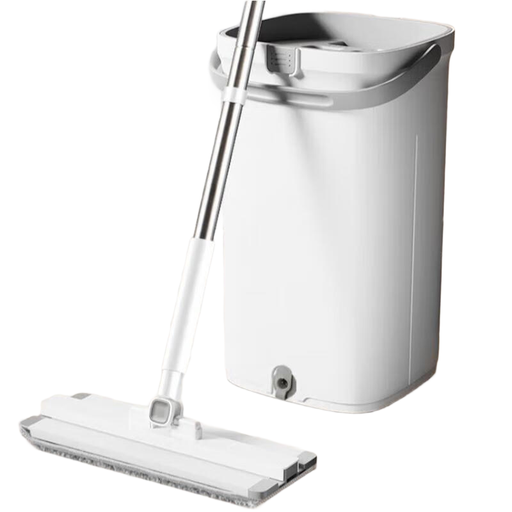
Why it suits this profile: This set is designed for anyone who regularly cleans large floor areas and wants to keep their hands dry. The flat mop head is 32 cm wide, and the bucket has separate sections for rinsing and wringing.
The features support a clear cleaning routine: wash and wring the mop in separate sections of the bucket. Check beforehand that the bucket will fit in your storage space.
Microfibre pad for wet and dry use; flat head for low spaces; integrated rinsing and wringing system.
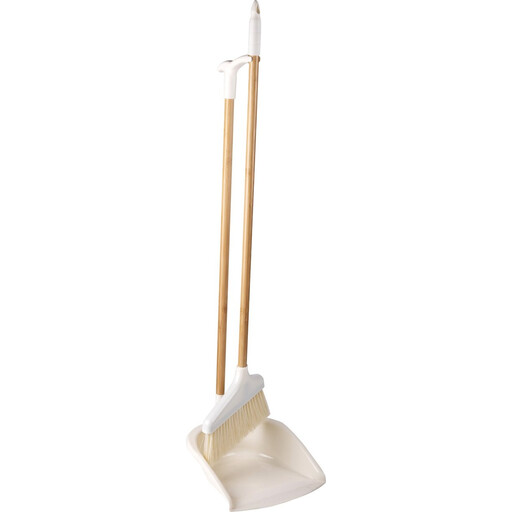
Why it suits this profile: The long handles are handy for sweeping up crumbs and dry dirt in the kitchen, hallway or living room. The broom is approximately 97 cm long and the dustpan approximately 84 cm.
Knowing the product dimensions in advance makes it easier to judge whether the set will be comfortable to use and where you can store it.
Foldable dustpan; hanging options; suitable for several types of hard flooring according to the product information.
We’ve put together a complete, up-to-date list of products that meet these strict selection criteria and current European safety regulations.
A practical selection of cleaning supplies for your home will often include several different types:
Where possible, use separate cloths for the kitchen, toilet and other rooms. This helps stop you spreading dirt between different surfaces.
Start with a microfibre cloth, washing-up brush, toilet brush, broom and dustpan, floor mop and a few scouring pads. Add a lint roller or feather duster if you have pets or want to remove dust and hair quickly.
Their lifespan depends on how often you use them, their material and how well you care for them. Rinse brushes after use and let them dry completely. Wash microfibre cloths according to the label, and check them regularly for loose fibres, stubborn odours or signs of wear. Replace them when they no longer pick up dirt effectively or could damage surfaces.
It depends on what’s included. A set can be good value if you’ll use every item and the sizes suit your home. Compare the price per item, check whether refills are available and avoid products with parts you don’t need.
