
Vandaag of morgen in huis

Kwaliteit gegarandeerd

Welkomstaanbiedingen ontgrendelen: GRATIS bezorging | Tot 80% korting | Gratis 30 dagen JoyPlus-proefperiode
Download de app
A scourer for the hob, a bathroom brush for grout or a floor brush for the patio: cleaning sponges and scrubbing brushes may seem simple, but choosing the wrong type can quickly become frustrating. A brush that’s too stiff can damage a delicate surface, while a soft sponge may barely shift stubborn dirt.
That’s why the product description, materials and dimensions tell you more than a bold marketing claim. Use the points below to choose the right option for your kitchen, bathroom, floors or toilet.
Packaging that says “for everything” doesn’t mean a sponge or brush is suitable for every material. A scourer that works well on a pan may not be suitable for non-stick coatings, glass or polished wood.
Always check the warnings. For example, according to the product information, g'woon Scrub Sponges 5pcs are not suitable for scratch-sensitive surfaces or non-stick coatings. For these surfaces, it’s better to choose a product whose description specifically mentions gentler use. If in doubt, test it on a small, inconspicuous area first.
A reusable cleaning sponge can be handy, but how long it lasts depends on how you use it, the cleaning product, the material and how it dries. A sponge that stays wet all the time may start to smell unpleasant or lose its shape sooner.
Rinse a washing-up sponge or cleaning sponge thoroughly after use and leave it to dry completely. Brushes are best stored upright in a well-ventilated space. Replace the product as soon as the fibres, bristles or scouring layer show visible signs of wear.
A stiff brush isn’t automatically the right choice for stubborn dirt. The surface determines how much pressure to apply and which bristles to use. Nylon bristles are practical for many household tasks, while wire brushes are only suitable for materials that can withstand them.
When choosing a scrubbing brush, consider the combination of bristle stiffness, surface and how you’ll use it. A long handle can be useful for floors, but less convenient for small corners or crockery.
Scouring sponges often have an abrasive side alongside a softer sponge layer. Check whether the product information lists any restrictions. Don’t judge a so-called scratch-free sponge by its title alone: check the materials and instructions for use too.
Nylon, plastic and metal are common brush materials. Nylon is a practical choice for grout, tiles and general cleaning. A metal brush can shift more dirt, but requires extra care on painted, plastic or polished surfaces.
A set of cleaning sponges is handy if you clean different rooms. Colour-coding lets you keep a sponge for the kitchen separate from one for the bathroom, for example. Compare the price per sponge too, as a larger pack isn’t automatically better value if some of it goes unused.
Check the dimensions as well. A compact sponge works well in a sink or around a tap. For large floor areas, a floor brush with a longer handle is more efficient. According to the product description, the 36 cm hand brush in the range has a brush head with 29 mm stiff bristles and a TPR handle.
A sponge with little ventilation will stay damp for longer. A hanging loop, open structure or brush that can stand upright makes drying easier. The handle is also important for a bathroom brush: a non-slip grip can help when your hands are wet, but always check that the handle is sturdy enough for the pressure you intend to apply.
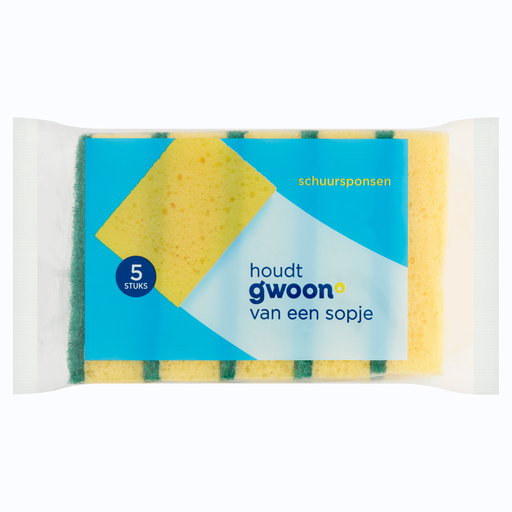
Why it suits this profile: A pack of five scouring sponges is practical for regular cleaning in the kitchen and bathroom, without having to buy a large selection of individual products straight away.
The product information clearly states that the sponge isn’t intended for scratch-sensitive surfaces or non-stick coatings. This makes it easier to identify the right uses in advance.
Five sponges per pack; designed for scrubbing in several areas of the home.
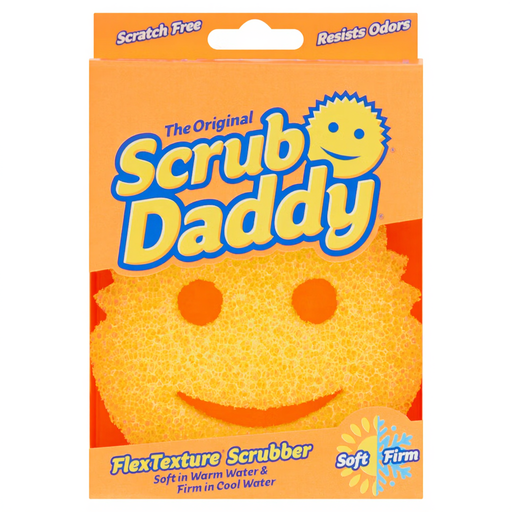
Why it suits this profile: If you’re looking for one versatile cleaning sponge, its FlexTexture feature may be worth considering for different temperatures and household tasks.
According to the product description, the material becomes firmer in cold water and softer in warm water. Still, test it on a small area first and don’t use it with bleach or harsh chemicals.
FlexTexture material; ergonomic shape; according to the product information, designed for use on stainless steel, glass and non-stick surfaces, among others.
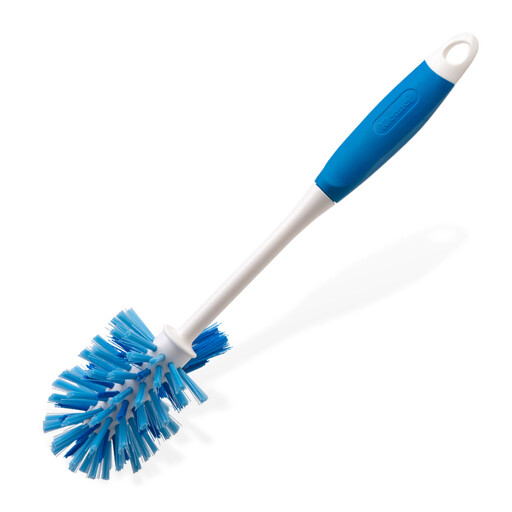
Why it suits this profile: The longer handle and dense brush head are designed for floors, grout, patios, garages and other larger or more heavily used surfaces.
The product information explicitly states that the brush isn’t intended for delicate or easily scratched surfaces. This helps prevent use beyond the applications described.
36 cm long; 29 mm stiff polypropylene bristles; TPR handle with a good grip; suitable for indoor and outdoor use according to the product description.
We’ve put together a complete, up-to-date list of products that meet these strict selection criteria and the applicable European safety regulations.
It depends on how often you use it, the material and the condition of the sponge. Replace it when its structure starts to break down, it no longer rinses clean or it develops a persistent smell. A reusable cleaning sponge can last longer if you rinse it after use and store it dry.
Only use a product whose description says it’s suitable for non-stick surfaces. Avoid standard scouring sponges if the packaging warns against using them on these surfaces. Apply light pressure and, if in doubt, test a small area first.
A small cleaning brush usually gives you more control over narrow grout lines. A sponge is better for flat tiles, washbasins and light dirt. For larger floor areas, a longer scrubbing brush can save time, as long as its bristles are suitable for the tile and grout.
