
当日/次日达

品质保障

开启新人专享福利: 全场免邮 | 低至 2 折 | 免费试用 30 天 JoyPlus 会员
下载 Joybuy
A fully stocked cleaning cupboard does not automatically mean you clean efficiently. Many households buy products that prove awkward after a few weeks, wear out quickly or are unsuitable for the surface they are intended for. With the right combination of cleaning wipes, brushes, sponges and microfibre cloths, you can avoid waste and keep everyday cleaning manageable.
A scouring sponge suitable for a burnt-on pan can scratch plastic, glass, a hob or a non-stick coating. Always check the material of the surface you are cleaning, as well as the warnings on the packaging.
A cleaning brush with firm nylon bristles is not automatically suitable for every type of cookware either. For example, JORDAN&JUDY brushes state that they are not intended for delicate non-stick surfaces that may scratch.
A pack containing lots of cleaning wipes or scouring sponges may seem like good value, but the price per item does not tell the whole story. Also consider:
A set of ten basic sponges can be useful for intensive kitchen cleaning, while a smaller set of microfibre cloths may be better suited to regular washing and reuse.
Terms such as “antibacterial”, “10x cleaning power” or “biodegradable” should be checked against the product information. According to Dettol’s own research, Dettol Wipes Power & Fresh Ocean remove 99.9% of certain bacteria, allergens and dust mites. This is a claim made by the brand and is not a general guarantee for every situation or surface. Always follow the label and use cleaning products as instructed.
Microfibre is typically made from polyester and polyamide. A dry microfibre cloth can attract dust, while a slightly damp cloth is useful for glass, stainless steel and smooth surfaces, among other things. Do not use fabric softener or bleach if the care instructions advise against it, as these can affect the properties of the fibres.
For stubborn dirt, scouring sponges, pan scourers and cleaning brushes are more practical. According to the product information, stainless steel scouring sponges are intended for burnt-on pans, oven dishes, oven racks and barbecues, among other uses. Do not use them on surfaces that are susceptible to scratching.
The size determines how much surface you can clean at once. Sleepy Wipes Easy Clean 4XL measure 25 × 25 cm and come in packs of 50. This can be useful for spilled liquids or larger surfaces. A smaller cloth is better for details, taps or electronics.
For windows, reach is more important than simply counting the components. The Alpina window cleaning set has a telescopic handle that adjusts from 57 to 130 cm. Check beforehand that this length suits the windows in your home and that the interchangeable window squeegee is convenient to store.
Rinse brushes after use, remove dirt from the bristles and leave them in a dry, well-ventilated place. Replace a brush when the bristles become worn or start coming loose. Wash reusable microfibre cloths according to the care label and allow them to dry completely before storing them.
For everyday use, laundry strips or colour catcher wipes can be a practical addition. At Home Wash Colour Wipes come in packs of 30. According to the product description, At Home’s black laundry wipes are designed to catch loose dyes during a dark wash. Check the instructions for use and treat these as an aid, not a substitute for sorting laundry and choosing the correct wash programme.
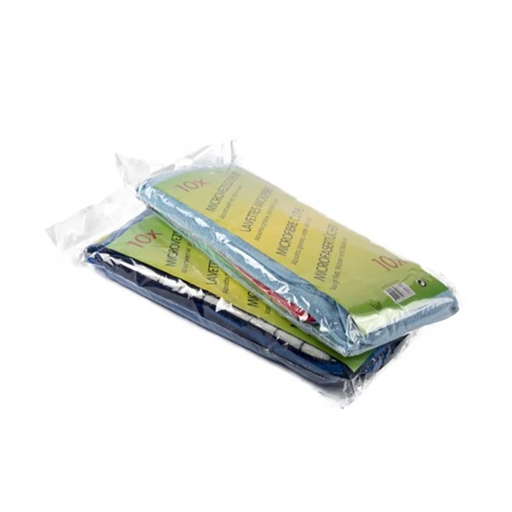
Why it suits this profile: A set of ten reusable microfibre cloths is a simple starting point for cleaning the kitchen, bathroom, glass and the rest of the home.
You do not need to buy a separate disposable cloth for every smooth surface. Wash the cloths after use and follow the care instructions.
10 pieces; suitable for dry and damp use; according to the product information, suitable for use on multiple surfaces.
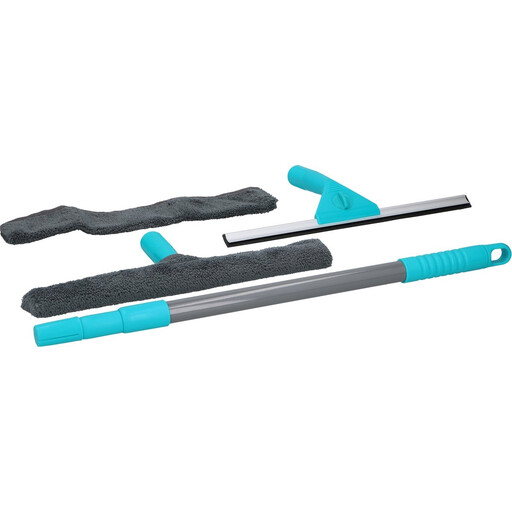
Why it suits this profile: Ideal for households that clean their own windows regularly and want one set for washing, squeegeeing and polishing.
The set includes more than just a cloth: the handle, window squeegee and window cleaner are designed to work together for cleaning windows.
5 components; telescopic handle measuring 57–130 cm; two microfibre cloths and interchangeable tools.
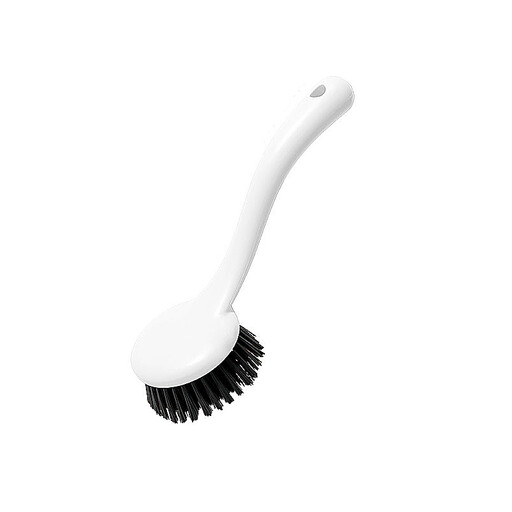
Why it suits this profile: Handy for pots, pans, sinks and bathroom surfaces when you want to keep more distance from water and dirt.
The product information clearly states PP and nylon, a length of 22 cm and a warning regarding delicate non-stick coatings. This lets you assess its suitability before use.
Long handle; nylon bristles; no assembly required; suitable for kitchen and bathroom cleaning according to the product description.
We have put together a complete, up-to-date list of products that fully meet these strict selection criteria and the applicable European safety regulations.
A practical basic selection consists of reusable microfibre cloths, a cleaning brush for the kitchen, a washing-up sponge and a few cloths or squeegees for glass. For stubborn dirt, you can also use pan scourers or scouring sponges. Choose products for each surface and avoid using one abrasive tool throughout the house.
Their lifespan depends on use, dirt and care. Microfibre cloths can be washed several times if you avoid fabric softener or bleach when the product instructions advise against them. A cleaning brush should be replaced as soon as the bristles become misshapen, loose or damaged.
That depends on how often you clean. Disposable wipes are handy for quick spills and use on the go, while reusable cloths are suitable for regular cleaning. Compare the cost per use and take washing, drying and the level of hygiene you want in your household into account.
