
Vandaag of morgen in huis

Kwaliteit gegarandeerd

Welkomstaanbiedingen ontgrendelen: GRATIS bezorging | Tot 80% korting | Gratis 30 dagen JoyPlus-proefperiode
Download de app
A cupboard full of cleaning products does not automatically mean every job is being tackled properly. Many consumers, offices and hospitality venues buy products based on a fresh scent or eye-catching claim, while paying less attention to the intended use, dosage and safety information. As a result, you may sometimes pay for a product that is unsuitable for your surface or runs out much faster than expected.
When it comes to cleaning products, these three pitfalls are particularly important:
Start with the room and the material. A bathroom cleaner is designed for surfaces where soap residue and limescale occur. A limescale remover targets mineral deposits more specifically, for example around taps and shower walls. For floors, you need a floor cleaner that is suitable for the type of flooring, such as tiles, laminate or wood.
A ready-to-use spray is handy for small surfaces. For larger areas, a concentrated all-purpose cleaner may offer better value, as you dilute it with water. Always check whether the product should be used neat or diluted. Using too much can cause streaks, a sticky film or unnecessary waste.
Read the label before buying, especially for products containing bleach, perfumes or surfactants. Look out for hazard statements such as skin irritation, eye damage or harm to aquatic life. Keep cleaning products out of reach of children and follow the safety instructions on the packaging.
Never mix bleach with acidic products, such as some limescale removers or toilet cleaners. This can produce dangerous fumes. Ventilate the room and wear suitable protective equipment where indicated on the packaging.
You should not automatically regard a product that claims to have antibacterial properties as a universal disinfectant. According to a brand’s own research or claims, a product may remove a certain percentage of bacteria under specific conditions, for example. Always check the full product information and the stated contact time.
Do not compare just the price per bottle; consider the capacity and expected usage too. A 750 ml bottle may be enough for a toilet, while an office or school may benefit from larger containers or a refill system.
For a toilet block, the usage duration is an important specification. Product descriptions may state, for example, that a block lasts for a certain number of flushes. This is a guide figure and depends on the number of users and how often the toilet is flushed.
For fragrance products, consider the type of packaging. A standard air freshener in aerosol form is used manually. An automatic spray refill will only fit a compatible dispenser. So check the brand, size and mechanism before buying refills.
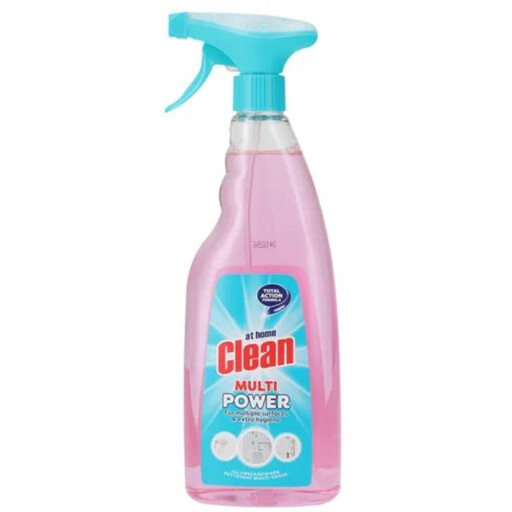
Why it suits this profile: The ready-to-use spray is practical for everyday cleaning in the kitchen, bathroom and on tables and doors, without the need for a separate measuring cup.
The description clearly states the intended uses and gives simple instructions: spray and wipe. The product is not presented as a solution for every specialist cleaning task.
750 ml capacity, spray bottle and suitability for several hard surfaces according to the product description.
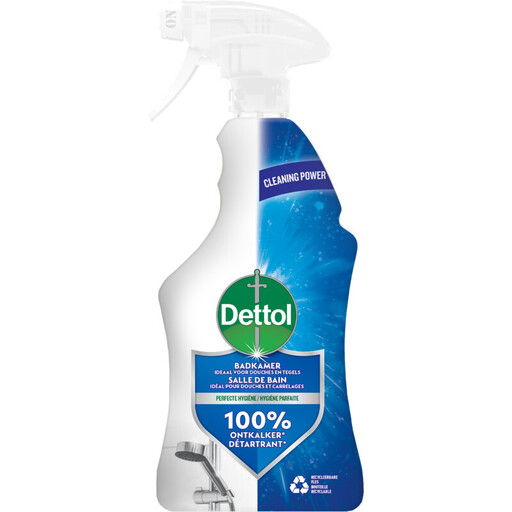
Why it suits this profile: If you want to tackle bathroom cleaning more precisely, this spray is intended for soap residue and limescale according to the product description.
The product information specifies a particular bathroom function rather than unlimited versatility. However, check that it is compatible with your material beforehand.
500 ml capacity and anionic surfactants below 5%, as stated in the product information.
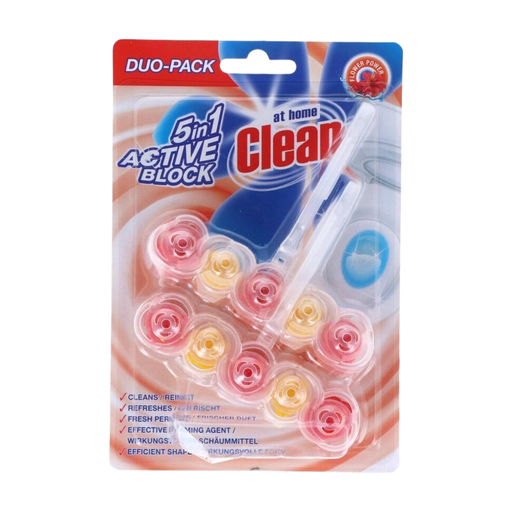
Why it suits this profile: For toilets used by lots of people, a toilet block provides ongoing care between regular cleaning sessions.
The pack contains two blocks and the product description explicitly states that they are intended for use in the toilet. They are therefore not a replacement for thorough toilet or bathroom cleaning.
Twin pack of 2 x 45 grams; according to the product description, the block cleans, freshens and neutralises with every flush.
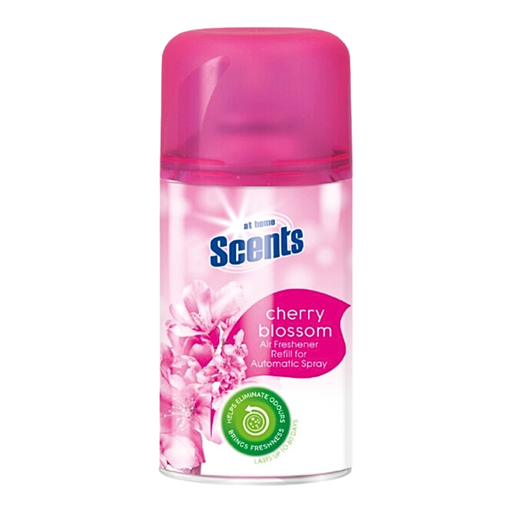
Why it suits this profile: This refill is designed for an At Home Automatic Air Freshener and is ideal for rooms where you want a constant fragrance.
You are buying a refill for a clearly specified system. Check that your dispenser is compatible before ordering, and do not use fragrance maintenance as a substitute for cleaning.
250 ml capacity and a fragrance release lasting up to 60 days, as stated in the product description.
For business users, stock management and ease of use are particularly important. Record which product is used for which purpose in each room. This prevents incorrect dosing and reduces the risk of bleach, toilet cleaner and limescale remover being mixed together.
We have put together a complete, up-to-date list of products that fully meet these strict selection criteria and the applicable European safety regulations.
Start with an all-purpose cleaner, toilet cleaner, bathroom cleaner and floor cleaner. Add a limescale remover if you have a lot of limescale. For textiles, a separate stain remover is more suitable. An air freshener is optional and does not replace a cleaning product.
It depends on the capacity, dosage and frequency of use. Check the expiry or usage information on the packaging. For toilet blocks and automatic sprays, the product description may sometimes give an estimated duration, but the number of users and flushes affect actual consumption.
Not always. Compare the price per litre, the required dosage and whether the product is suitable for the task. A concentrated floor cleaner can offer good value for large areas, while a ready-to-use spray saves time during small, everyday cleaning jobs. This makes overall usage more important than the price on the shelf alone.
